AMBB Call for Papers: Environmental Biotechnological Solutions for a Future Circular Plastics Economy
Published in Bioengineering & Biotechnology and Microbiology
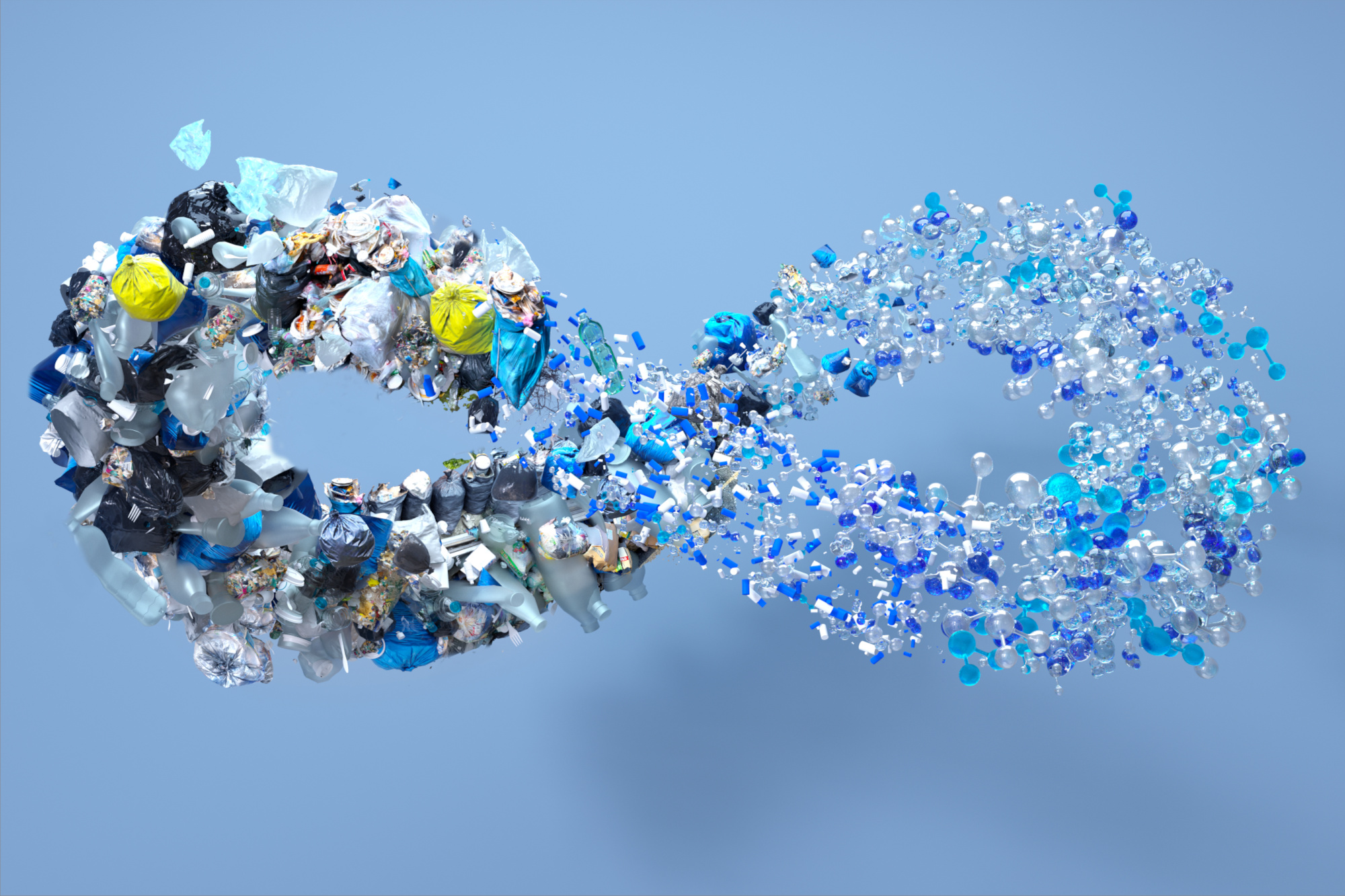
Plastic pollution continues to challenge existing recycling systems, creating an urgent need for innovative and scalable solutions. Biological approaches are emerging as a powerful complement to conventional recycling, harnessing microorganisms, enzymes, and engineered biological systems to degrade plastics, recover valuable building blocks, and produce sustainable alternatives.
Applied Microbiology and Biotechnology is now inviting submissions to its topical collection Environmental Biotechnological Solutions for a Future Circular Plastics Economy.
We welcome original research and reviews covering topics including:
Discovery and engineering of plastic-active enzymes
Microbial degradation and depolymerization of plastics
Bio-upcycling and valorization of plastic-derived compounds
Metabolic engineering and synthetic biology for plastic-waste conversion
Microbial production of biodegradable bioplastics
Bioprocess design, scale-up, and real-world applications
We are particularly interested in studies that connect mechanistic insight with practical process relevance and demonstrate pathways toward implementation at scale.
Submission deadline: 30 June 2027. Submit here.
Join us in advancing the microbial and biotechnological innovations that can help transform plastic waste from an environmental burden into a valuable resource.
#AppliedMicrobiologyAndBiotechnology #Microbiology #Biotechnology #EnvironmentalBiotechnology #CircularEconomy #PlasticWaste #Biorecycling #SyntheticBiology #Bioplastics #Sustainability #SDG9 #SDG12
Header Image credit: © Andriy Onufriyenko / Moment / Getty Images

Follow the Topic
-
Applied Microbiology and Biotechnology
This journal focuses on research regarding prokaryotic or eukaryotic cells, relevant enzymes and proteins, and applied genetics and molecular biotechnology.

Related Collections
With Collections, you can get published faster and increase your visibility.
Emerging Applications of Nanoparticles in Biotechnology and Medicine
Applied Microbiology and Biotechnology invites articles on nanoparticles and nanomaterials in biotechnology and medicine. Topics of interest range from nano-enabled diagnostics and drug delivery to enzymatic catalysts in bioreactors and nanoparticles for environmental and health applications. Medical and health-related articles should specifically address diseases caused by bacteria or viruses, or focus on therapeutics produced through biotechnological or enzymatic processes.
Nanoparticles, with their unique size-dependent properties, are transforming biotechnology and medical research. This collection highlights innovative applications of engineered nanoparticles in diagnostics, targeted drug delivery, biosensing, and catalytic bioprocesses. Contributions may include studies of nanoparticle design and functionalization, nanocarrier systems for drug, gene, or enzyme delivery, and nanoparticles as enzyme-immobilization supports to boost bioprocess efficiency. Emphasis is on how these nanoscale materials can improve processes from bio-production to therapeutics, highlighting the impact of nanobiotechnology on health and industrial biotechnology.
We invite contributions on novel nanoparticles and functionalized materials with biotechnological or medical applications. Potential topics include nanoparticle synthesis and engineering for targeted functions, nano-carriers for drug, gene or enzyme delivery, and nanomaterials for biosensors and diagnostics. Studies of nanoparticle applications in bioprocesses (e.g. catalysis in bioreactors, fermentation enhancement) and environmental biotechnology (e.g. pollutant sensing or degradation) are welcome. Works on antimicrobial or antiviral nanomaterials, nano-vaccines, and the safety/toxicology of nanotechnologies are also encouraged.
Topics of interest include, but are not limited to:
• Nanoparticle design and functionalization
• Nanocarriers for targeted drug, gene, or enzyme delivery
• Nano-enabled diagnostics, imaging, and biosensors for microbial and medical applications
• Nanoparticles in bioprocess engineering
• Antimicrobial, antiviral, and nano-vaccine technologies
• Environmental nanoparticle applications (bioremediation, bioenergy) and nanotoxicology studies
This collection supports and amplifies research related to SDG 3 (Good Health and Well-being).
Publishing Model: Open Access
Deadline: Nov 30, 2026
Environmental Biotechnological Solutions for a Future Circular Plastics Economy
Applied Microbiology and Biotechnology invites articles on the microbial and enzymatic foundations of a circular plastics economy. We welcome studies that use microorganisms, enzymes, and engineered biological systems to degrade and depolymerize plastics, to upcycle plastic-derived compounds into value-added products, and to produce sustainable, biodegradable polymer alternatives.
Plastic waste accumulates faster than current systems can recover it, and mechanical and chemical recycling remain constrained by mixed and contaminated feedstocks, quality loss, and energy demand. Biology offers a complementary route. Plastic-active enzymes and microorganisms can act under mild conditions, target specific polymers, and release monomers and intermediates that microbial cell factories convert into chemicals, materials, or new biodegradable polymers. Progress in enzyme discovery and engineering, metagenomics, metabolic engineering, and bioprocess design is turning these possibilities into processes with genuine scale-up potential.
This collection assembles the applied and environmental microbiology that underpins circular plastics. We seek mechanistically rigorous and quantitative work spanning enzyme and strain engineering, microbial community and pathway analysis, bio-upcycling of plastic-derived monomers, and the microbial production of biodegradable bioplastics from waste or renewable feedstocks. We especially encourage contributions that connect molecular or cellular insight to real, mixed, or post-consumer plastic waste and that move beyond proof-of-concept toward process relevance.
To fit the collection, submissions should include a clear microbial, enzymatic, genetic, or bioprocess-engineering component. Work focused solely on chemical or mechanical recycling, polymer-materials characterization, environmental monitoring, policy, or life-cycle assessment falls outside its intended scope.
Topics of interest include, but are not limited to:
- Discovery, bioprospecting, and characterization of plastic-active enzymes (PETases, MHETase, cutinases, esterases, laccases, oxidases, depolymerases, and nylonases) from cultured microorganisms and metagenomes
- Enzyme engineering for improved activity, thermostability, substrate range, and process robustness
- Microbial and enzymatic degradation or depolymerization of PET, polyurethane, polyethylene, polypropylene, polystyrene, PLA, PBAT, and polyamides/nylon
- Microbial consortia and plastisphere communities driving plastic degradation in soil, marine, composting, and engineered environments
- Metagenomic, metatranscriptomic, proteomic, and multi-omics approaches to identify plastic-degrading microorganisms, enzymes, pathways, and communities
- Bio-upcycling and microbial valorization of plastic-derived monomers into value-added products such as PHA, cis,cis-muconic acid, adipic acid, vanillin, or β-ketoadipate
- Metabolic engineering and synthetic biology of microbial cell factories for plastic-waste valorization
- Microbial production of biodegradable bioplastics (PHA, PHB, PLA precursors) from waste or renewable feedstocks
- Microplastics biodegradation, biotransformation, and biologically mediated fate in natural and engineered systems
- Whole-cell biocatalysis, enzyme cocktails, immobilized enzymes, and bioreactor and bioprocess design for depolymerization and upcycling
- Standardized methods and protocols for measuring and comparing biological plastic degradation
This collection supports and amplifies research related to SDG 9 (Industry, Innovation & Infrastructure) and SDG 12 (Responsible Consumption & Production).
Publishing Model: Open Access
Deadline: Jun 30, 2027