BOLD Blog in Brief
Published in Neuroscience

Explore the Research

 BOLD
BOLD
Home – BOLD
BOLD: Big ideas for growing minds
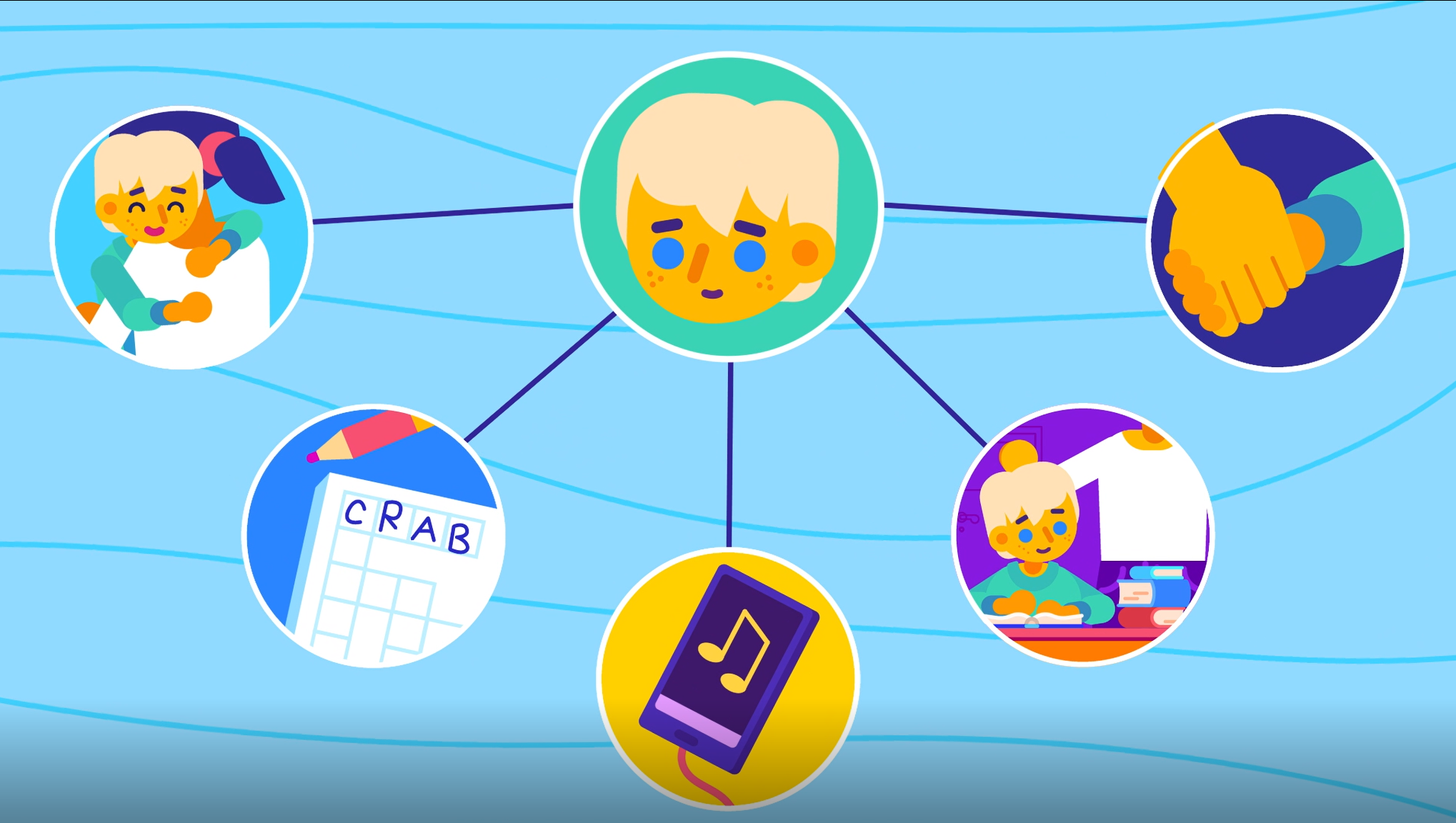
In a five-minute video, Kathryn L. Humphreys and Pia Viviani explain how parents—and other caregivers, too—support children’s healthy development in two important ways. First, they provide cognitive input (conversation, music, puzzles), which helps children to learn. Second, they give emotional input (hugs, praise, positive feedback), which builds a nurturing, trusting relationship. Children need both to thrive. Caregiving can be exhausting, and parents are encouraged to seek help when needed. Happy parents make for happy children! Watch the video here.
Post-doctoral researcher Friederike Blume has found that virtual reality techniques can have certain advantages over traditional lab testing or field work. Using virtual reality headsets, researchers can place participants in a carefully designed and programmed world, free of distractions and extraneous inputs. In this way, Blume has been able to study how a single factor, such as where a child is seated in the classroom, may affect self-regulation and learning. Virtual reality research could potentially be used to improve evidence-based teaching and individualized instruction. Read more here.
Illustration by kurzgesagt.





Please sign in or register for FREE
If you are a registered user on Research Communities by Springer Nature, please sign in