Giant sulfur world revisited: how speculative evolution led me to understanding actual oxylipin biochemistry
Published in Ecology & Evolution and Cell & Molecular Biology


One year ago, I published my speculative evolution piece titled “Alternative history of life on Earth: complex life evolving from giant sulfur bacteria” on this platform. It turned out to be popular the next few days: it was widely reposted, liked, and discussed on social networks. Science fiction enthusiasts included it into their selections of sci-fi in biology. Finally, the Russian translated version of this blog article took second place in the BioMolText-2025/2026 contest.
That blog post looked like pure entertainment at that time. I discussed the alternative universe where the endosymbiotic relationship between an archaeon and a bacterium fails to establish. In this scenario, both eukaryote-like complex cells and multicellular organisms arise from giant sulfur bacteria — a group of extremely long bacteria breaking the prokaryote size records in an attempt to bridge two essential substrates: sulfide and oxygen (or nitrate). There might seem no real science behind it. But now, my new paper in Biochemistry (Moscow) is published [1]. And to substantiate the concept behind the paper, I have used that very thought experiment — and the ideas which arose after this discussion.
Puzzling convergent evolution
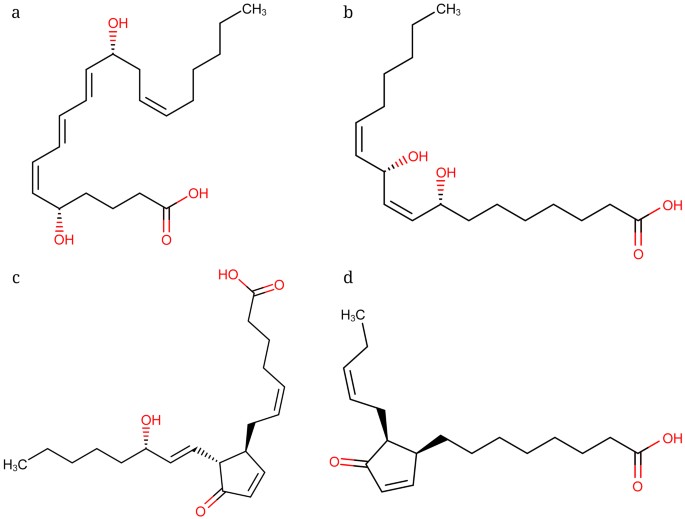
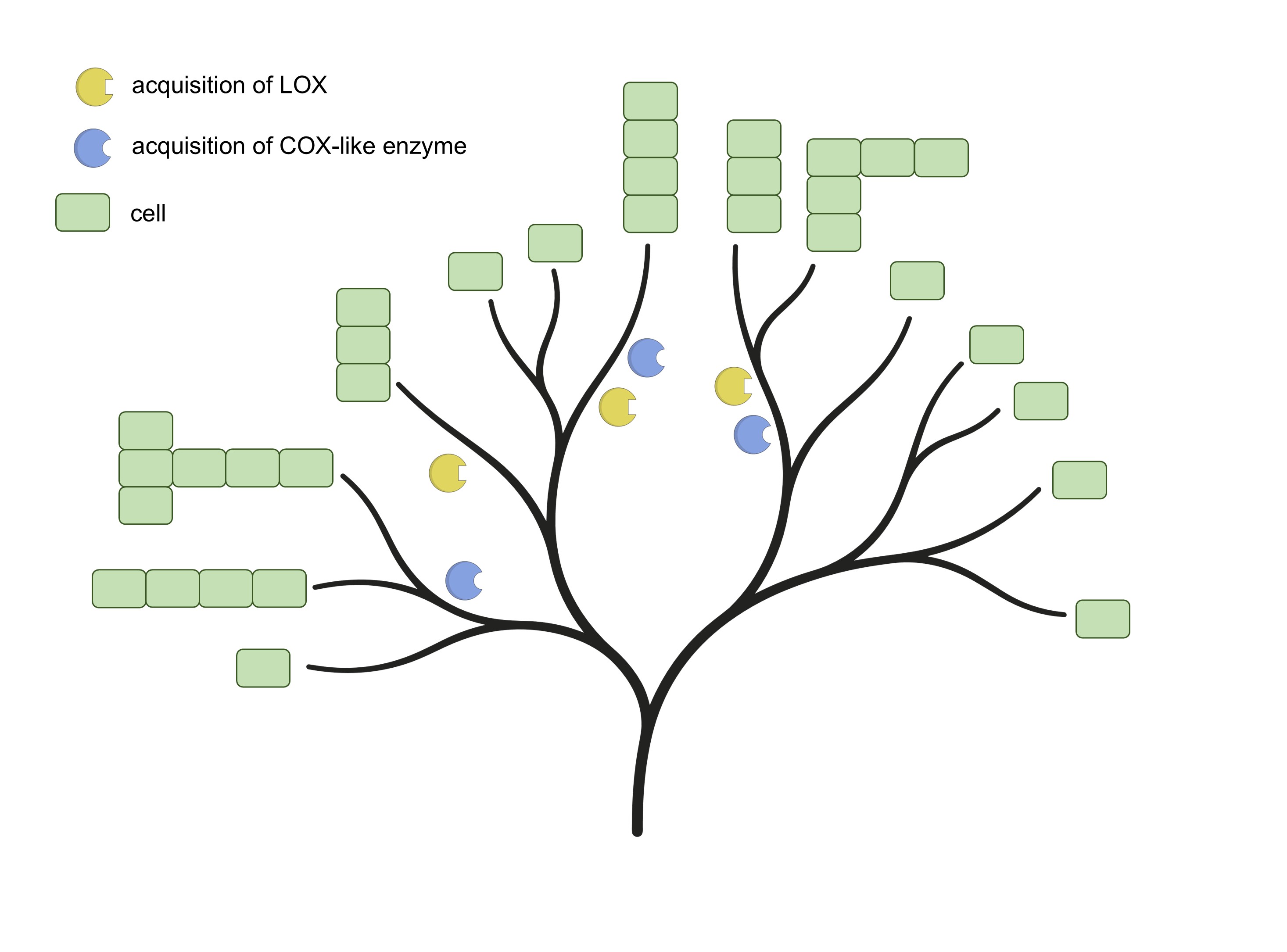
The story of my project started in 2020, when I published an article in the same journal (Biochemistry Moscow) about the association between lipoxygenase enzyme and multicellularity. Lipoxygenase is an universal oxylipin biosynthesis enzyme working in plants, animals, and fungi — and in all these organisms, it is involved in the biosynthesis of oxylipins, oxidized lipid derivatives. My bioinformatic research showed that lipoxygenase evolution was linked to multicellularity in a set of bacterial and eukaryotic taxa. And moreover — it occurred by horizontal gene transfers. This means that upon the emergence of multicellularity, different evolutionary lineages acquired lipoxygenase independently. All lipoxygenases are homologous, but their acquisition is almost always a convergent evolution.
This pattern was consistent across different (but not all!) multicellular lineages, including the simplest ones, such as dictyostelid slime moulds. These cellular slime moulds belong to a quite different type of multicellularity than humans or plants — aggregative multicellularity. They are much simpler and have no chance to evolve into something with full-fledged organs and tissues (due to its extreme vulnerability to cheater cells). But even they have lipoxygenase which appeared approximately at the time they started exploring multicellular existence and is highly prevalent across their species. Moreover, it switches on when the slime mould commences its culmination stage. It is definitely involved in cell-to-cell signalling processes, but we just don’t know how.
In 2024, a team led by Sandra Baldauf presented the long-awaited genome and developmental transcriptome of Akrasis kona — the representative of quite another branch of cellular slime moulds. Its life cycle is similar to that of dictyostelid slime moulds, but it has developed it convergently: it is the close relative of a brain-eating amoeba Naegleria fowleri. There was a chance to check whether lipoxygenase is associated with the life form of a cellular slime mould. And when I published a magazine-format news article about this paper, my colleague helped me identify a lipoxygenase in Acrasis kona genome while discussing the article in the comment section. This lipoxygenase appeared to be acquired by horizontal gene transfer from rotifers [1], which is fully consistent with the pattern observed in dictyostelid slime moulds: convergent acquisition of lipoxygenase upon the evolution of multicellularity.
It was one more follow-up confirmation of my hypothesis within the eukaryotic domain (and I must admit that this is a bright confirmation!) But here, my evidence slips into enumeration of cases from the initial bioinformatic study. This was partially recompensed by Eloi Villela-Escolano in his bachelor degree project at ESCI-UPF (supervised by Eduardo Ocaña-Pallarès), where the finding about the association between lipoxygenases and multicellularity was indirectly confirmed for eukaryotes by machine learning models and interpretations based on SHAP values [2]. However, bacteria remained out of scope of that paper.
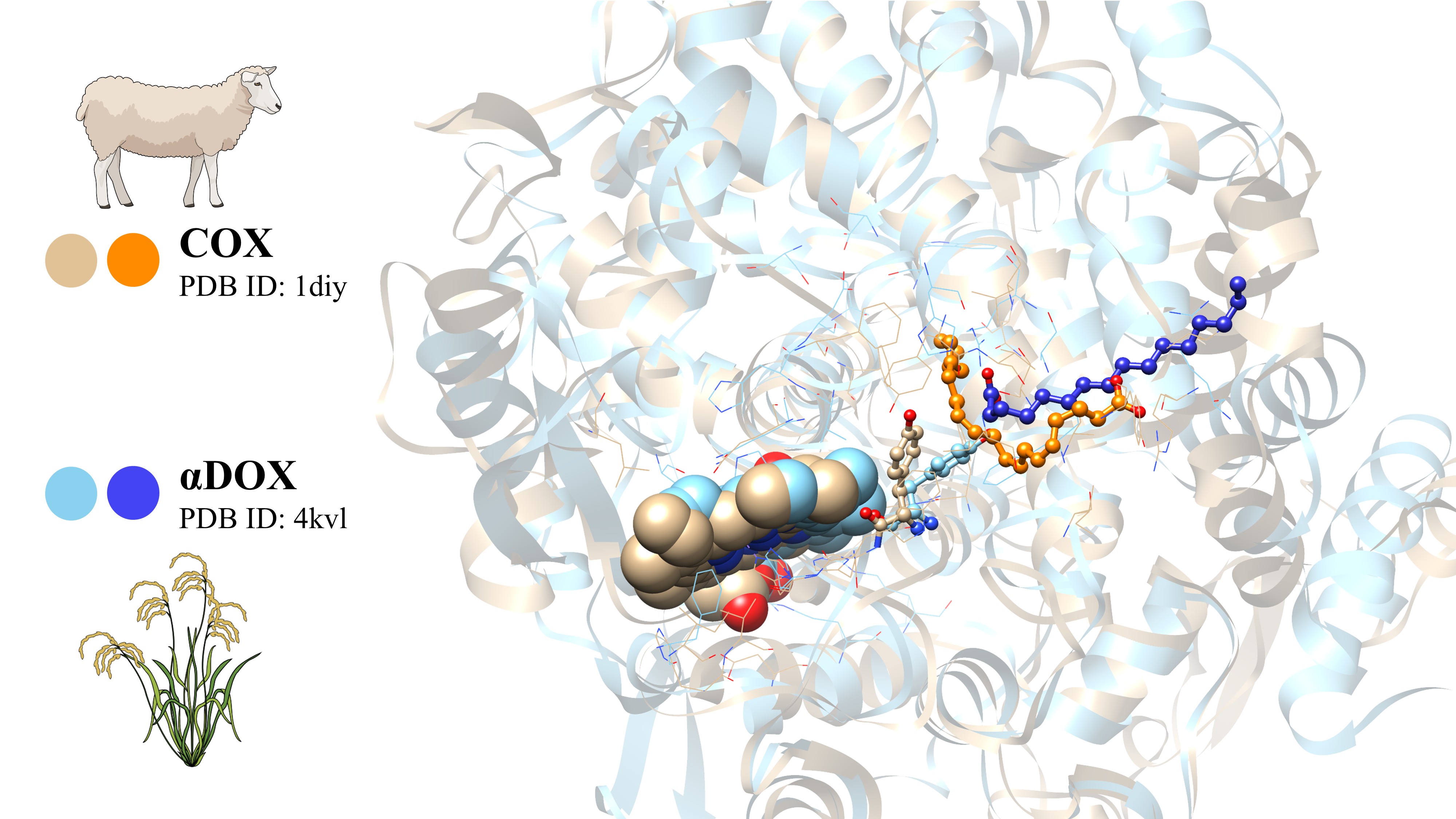
Meanwhile, another family of enzymes — heme peroxidases — provided an additional line of evidence. Human cyclooxygenase — the second pivotal oxylipin biosynthesis enzyme — belongs to this family. So does plant alpha dioxygenase, also involved in biosynthesis of defence-related oxylipins. But even the structural superimposition of known X-ray structures shows that they bind a lipid substrate in totally different positions. Our data research [3, 4] confirmed that these sites were not homologous despite overall sequence homology. This means that human cyclooxygenase and plant cyclooxygenase-like enzymes developed lipid binding activity independently starting from a catalase- or peroxidase-like enzyme. This is a more striking example of oxylipin biosynthesis capacity evolution in two multicellular lineages.
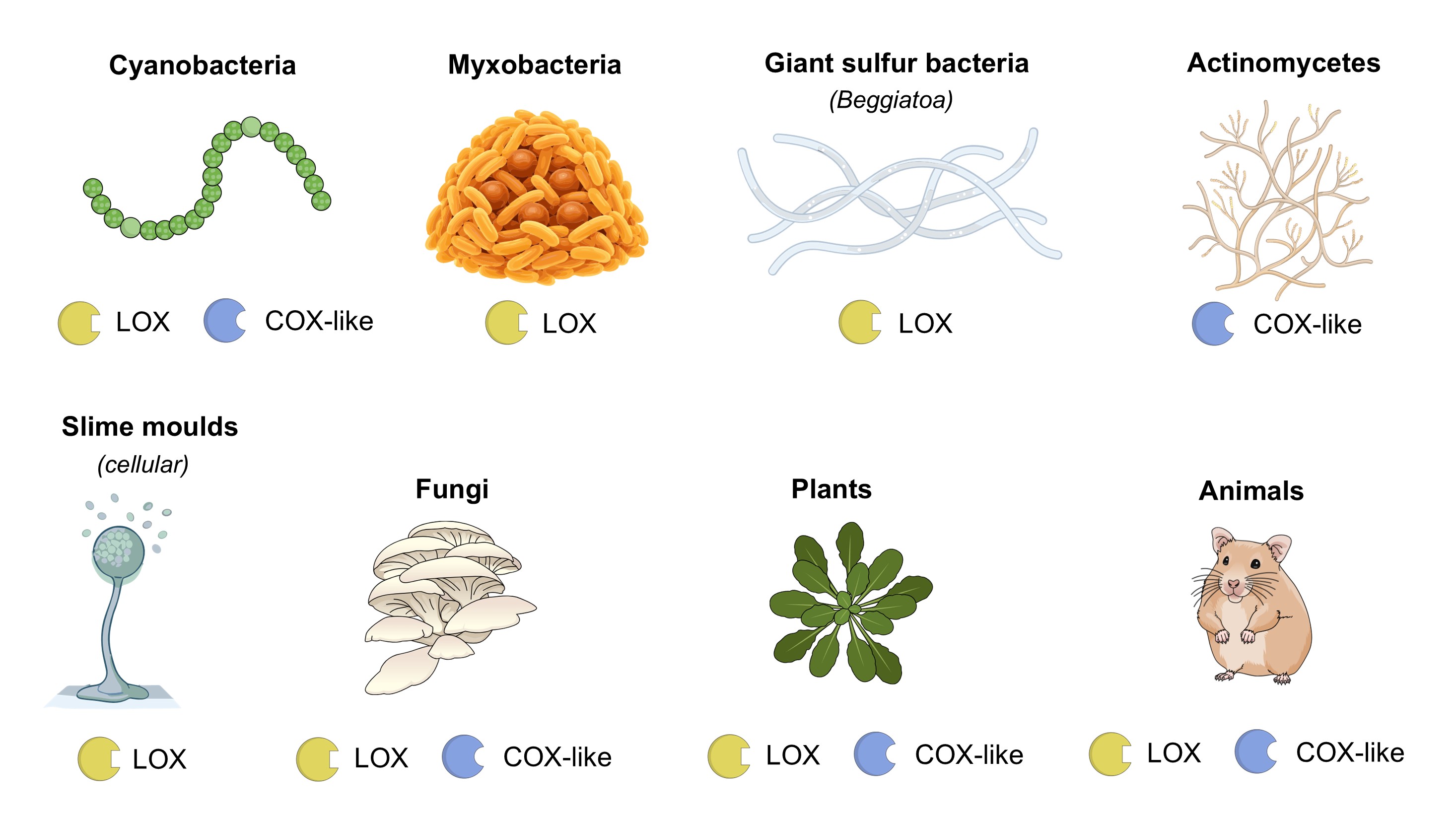
In contrast, cyclooxygenase-like enzymes of fungi and some bacteria clustered together with our cyclooxygenase; mapping experimental data from literature onto this cluster and homology analysis allowed us to suggest that all these enzymes were lipid-specific. This allowed us to estimate the prevalence of cyclooxygenase-like oxylipin biosynthesis enzymes in bacteria. It peaked on multicellular taxa, just like the occurrence of lipoxygenases. But whilst lipoxygenase peaked on cyanobacteria and myxobacteria (bacterial slime moulds), cyclooxygenase-like enzymes showed peaks on cyanobacteria and actinomycetes.
Actinomycetes were an important addition to our list of bacteria and eukaryotes where oxylipin biosynthesis enzymes were associated with multicellularity. It looked like a certain pattern emerged: whenever lineages went multicellular, they picked up oxylipin signaling right along with it. On evolutionary timescales it arrived as a package deal, and, crucially, it happened convergently and independently. However you stick cells together, whether by aggregation or by clonal division, you end up having to learn to oxidize fatty acids with enzymes and use the products as signaling molecules.
You can build countless compounds out of carbon and water, yet every time life wades into the river of multicellularity, oxylipins come out. Call it the carcinization of cell signaling: evolution keeps making crabs, and it keeps making oxylipin signaling too. Almost every time it creates a multicellular form. But there was one bacteria taxon which seemed to break this pattern: Beggiatoa. This is a genus of giant sulfur bacteria. And this is the time to return to our alternate universe where complex life developed from giant sulfur bacteria.
Alternate universe revisited
Giant sulfur bacteria from the genus Beggiatoa stuck out like a sore thumb: on one hand, they had lipoxygenases; on the other hand, the lipoxygenase occurrence statistics within Thiotrichales order turned out to be extremely low. And that’s considering that Beggiatoa are not the only multicellular forms in this order — besides, Thiotrichales are absolute masters of complexity and gigantism. The discovery of Thiomargarita magnifica — the largest known prokaryote so far — gave me the first hints: it is the member of the very same order, which, despite superficial similarity to Beggiatoa, is not multicellular. Instead, it has an unique eukaryote-like structure with intracellular compartments — pepins — combining the functions of multiple nuclei and mitochondria at once. It became obvious that some Thiotrichales just use other strategies instead of multicellularity — including this endogenous eukaryotization (in contrast to endosymbiotic eukaryotization we can observe in ourselves).
But I lacked a kind of overarching concept of this diversity of complexity strategies among giant sulfur bacteria. To overcome it, I undertook a thought experiment to explore the limits of hypothetical evolution of giant sulfur bacteria. Actually, giant sulfur bacteria are dubbed “the greatest absence of evolution ever reported”: their habitats remained surprisingly constant over billions of years, and, according to the evolution's null hypothesis, there should be no significant evolution in such settings. It’s the case of actual giant sulfur bacteria — exploring different ways to achieve greater size and complexity, but always stopping at a simple form. In this regard, they resemble cellular slime moulds — one of the most popular designs of multicellular organisms in evolution, but never reaching something really complex. But in the case of slime moulds, the restriction has an intrinsic nature: aggregative multicellular organisms are much more susceptible to cheater cells than their clonal counterparts to cancer (which is the evolutionary homolog of cheating cells).
But giant sulfur bacteria might have much greater potential for further evolution if something changed greatly on alternate Earth. They might really form a kind of eukaryotic cell without endosymbiosis and complex multicellular forms. In my last year’s post, I tried to imagine what this life might look like.
That post met with an unexpectedly enthusiastic response from my colleagues. On of them, Dr. Filip Meysman (University of Antwerp), wrote to me right afterwards and shared his papers on one group of bacteria which were omitted in my post: cable bacteria. They are multicellular, filamentous bacteria able to conduct electricity across distances over 1 cm through their body. They do not belong to the Thiotrichales order — that's the reason why I omitted them first! But by all other features, they are full-fledged giant sulfur bacteria: they grow extremely long in their attempt to cover sulfide-oxygen gradients. And they have one more lifehack: conductive structures inside them span along the entire filament, allowing direct electrical coupling of sulfide oxidation and oxygen reduction at the different ends of this living thread.
Now, all pieces of the jigsaw puzzle have come together. We have four complexity strategies in giant sulfur bacteria known so far: eukaryotization, multicellularity, multicellularity + motility, multicellularity + electric conductivity. And lipoxygenases are only found in bacteria pursuing the path of pure multicellularity, without other tricks. Sulfur-oxygen interfaces are a natural laboratory of ways to grow a bacterium as long as possible, and this laboratory seems to confirm my hypothesis. Oxylipin signalling comes with multicellularity. And Beggiatoa is just an exception that proves the rule.
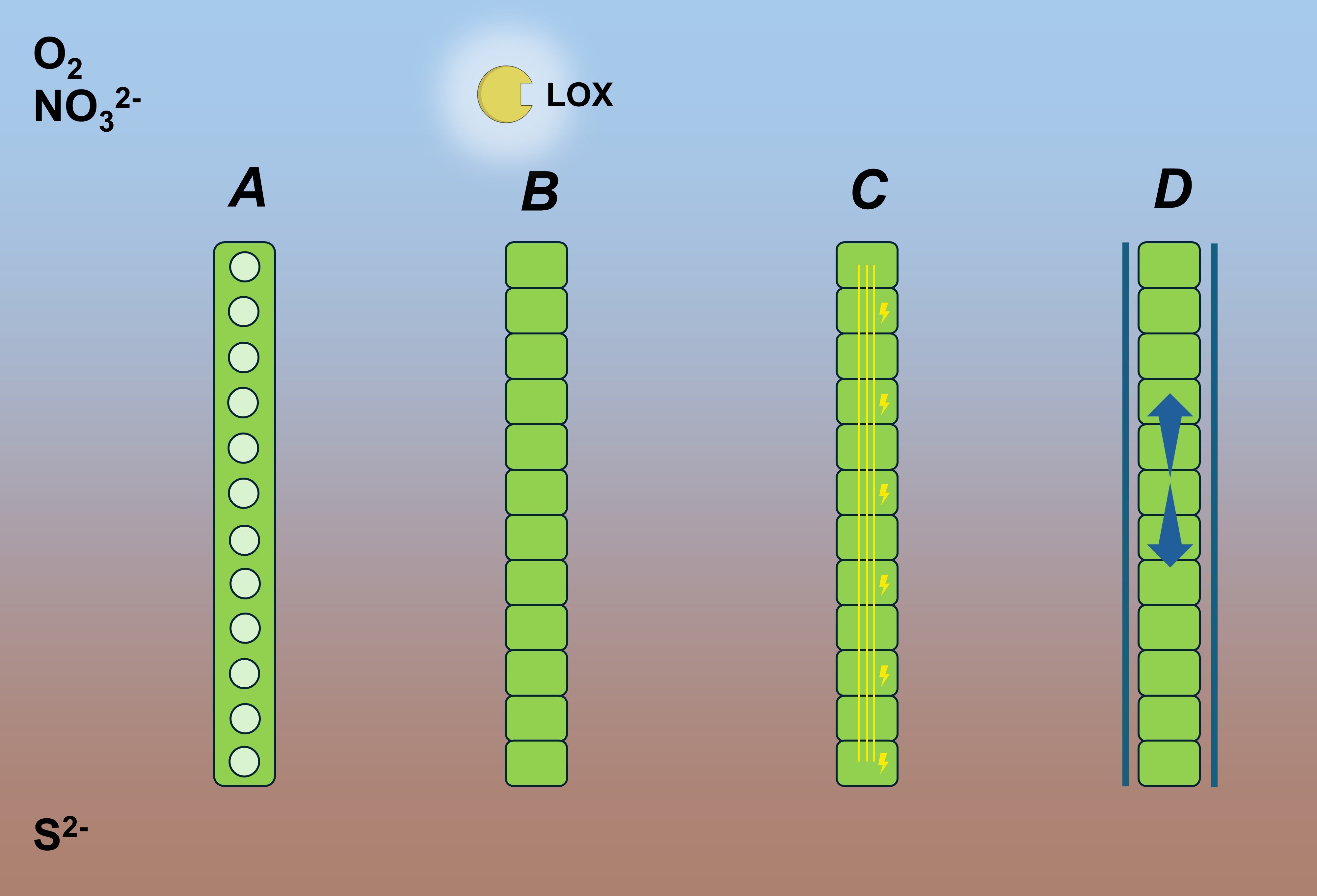
The updated integral discussions on my thought experiment were published by me as a preprint [5]. Unfortunately, I failed to publish it formally anywhere: BioEssays started ignoring my emails once I mentioned that I am an independent researcher and asked how to publish with them in this case. They expectably rejected the manuscript when I tried to submit it as an unsolicited contribution. Astrobiology journals are just unaffordable for me as an independent researcher because they require mandatory APC or a service fee. To be fair, I must admit the Theory in Biosciences has also desk-rejected this manuscript despite I have found no obstacles for independent researchers during the submission.
However, in this year’s paper [1], I have cited this preprint as one of the keystone points in discussion about the base of Beggiatoa and giant sulfur bacteria. And this was the moment when a totally speculative, counterfactual paper helped to understand how oxylipins are linked to multicellularity.
There is obviously a selection pressure driving organisms towards oxylipin signalling each time they develop multicellularity. Where does this selection pressure come from? Multicellularity is about building an organism, while oxylipins are about its chemistry. Why would one be so tied to the other? In this year’s paper, I go into the possible mechanisms in detail [1]. In brief: blame oxidative stress. And blame membrane structure, which is the same in everyone except archaea (where, so far, no oxylipins have been found). And oxidative stress is itself down to membrane structure, so it’s membranes all the way down. In the end, we all arrive at oxylipins for one simple reason: we’re made of carbon and water. And have oxygen in the atmosphere.
Thus, if my “giant sulfur world” was real, it would definitely have oxylipin signalling. I am almost sure.
What's next?
This predictive ability might have an unexpected applied sense. In the fork of my oxylipin signalling project, I explore the other possible function of oxylipin signalling in bacteria — host-microbe interaction. In my another preprint on bioRxiv [6], I used data research to show how the same bacteria lipoxygenase activity might contribute to infecting both plants and humans. However, this paper was not formally published, too — I have explored the possible causes in detail in my other post on these Research Communities.
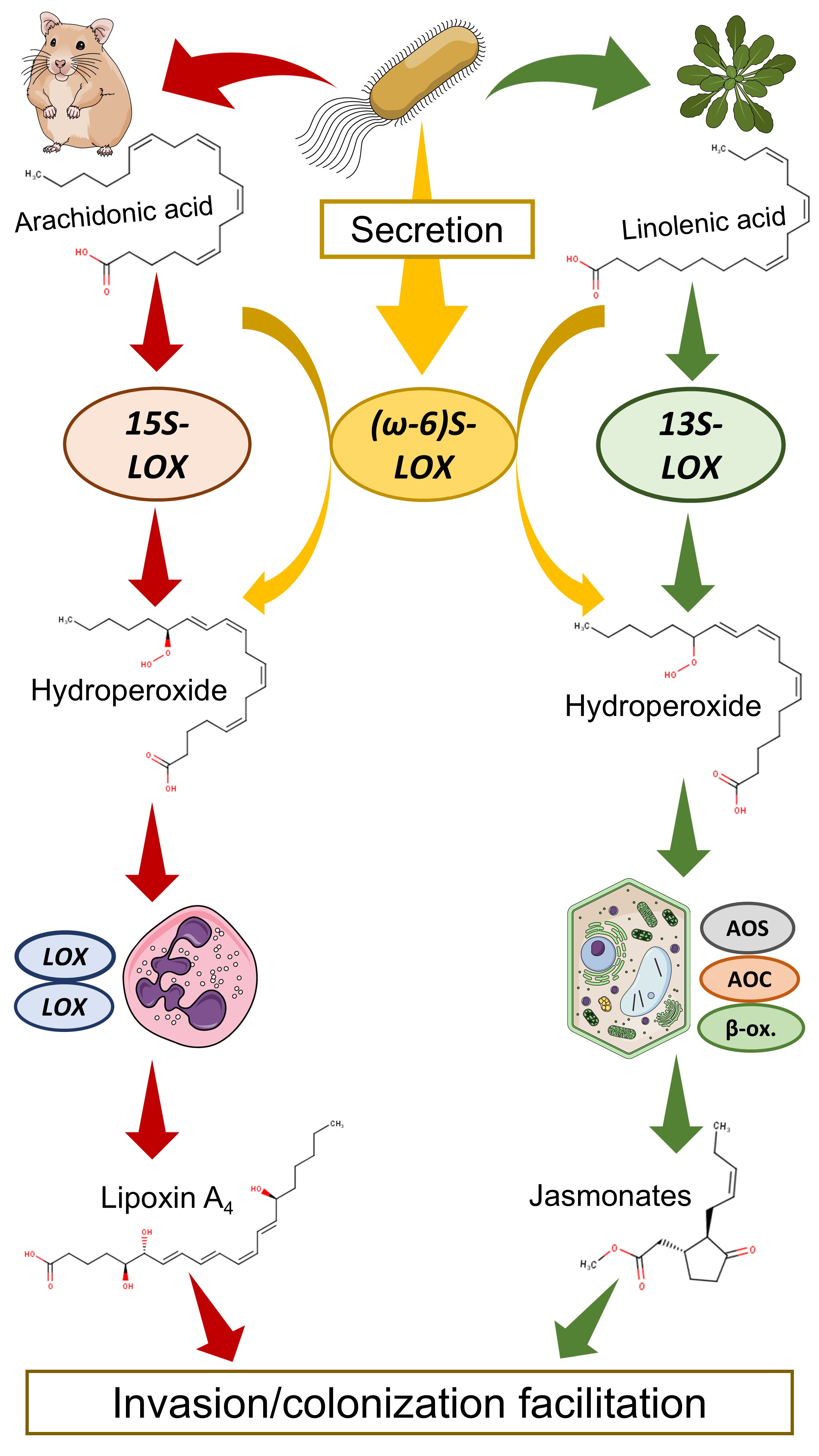
In such circumstances, indirect evidence from evolution and general biology becomes increasingly important: if we know that lipoxygenases go hand by hand with multicellularity, and suddenly find a subset of bacteria that have nothing to do with multicellularity but have multicellular hosts, this is a dead giveaway that these bacteria use them to “speak” with a host’s immune system for which it is a core “language”.
Under the Russian translated version of my Communities post (on Habr platform) a user with the nickname RoasterToaster suggested:
“But perhaps it’s just an ordinary enzyme? Without any backdoor functions – just as, for example, a brick could also be called a lock-pick under certain circumstances”.
And I responded to him with an argument which I might call “the unicorn argument”:
"The whole problem lies in what we mean by ‘ordinary’. In biology, there is no such thing as an ‘ordinary enzyme’, because every enzyme performs a specific function that one organism needs, whilst another has absolutely no use for it. For example, is cellulose synthase an ordinary enzyme? For plants, yes. They need to synthesise cellulose for their cell walls. But if I were to discover cellulose synthase in a fish, I’d be surprised and would assume that it’s clearly needed for some exotic functions. Because fish don’t have cell walls. They don’t normally synthesise cellulose.
The same applies here. The available data on lipoxygenases indicate their involvement in cell-to-cell signalling in multicellular organisms. If a unicorn were ever discovered and lipoxygenase were found in it, I would be surprised only by the unicorn itself. The fact that it has lipoxygenase would be as clear as day; for it, this is a perfectly ordinary enzyme. Because it is multicellular, complex, motile and, in short, an animal.
But for a rather small group of bacteria, which are by no means multicellular, this is by no means an ordinary enzyme. There is no reasonable explanation for what lipoxygenase would be doing in the body of a single bacterium; it is like finding cellulose synthase in a fish. And the fact that this suspicious group of bacteria turns out to be associated in a certain way with multicellular hosts is a clear indication that this lipoxygenase is specifically intended for the hosts".
Such an argument becomes even more important with the publication of my paper on the ecological similarities between the bacteria carrying CFTR inhibitory factor (Cif) and lipoxygenase [7]. It is also only hypothetical, and the confirmation of my assumptions might require a complex experiment which might be challenging. The connection between oxylipin signalling and multicellularity is a valuable highlighter which shows where to find the new host-microbe signalling pathways and new options for treating infections caused by bacteria with antimicrobial resistance.
But for me, the most important prospect for this evolutionary study is to explore fundamental laws of biological signalling in depth. The thought occurs that the case of oxylipins might be compared to steroid hormones (which are universal and lipid-derived, too) or to glutamate signalling (where my colleagues found a similar evolutionary connection to multicellularity [8]). Ultimately, this direction might lead us to understanding how the core biochemistry of our cell, shaped by the circumstances in which life once originated, in turn shapes the compounds used for cell-to-cell singalling.
And this makes me return to my (almost) astrobiological thought experiment once more. Just imagine for a moment: we discover life on another planet sometime in the future, and we already know which compounds it might use as hormones and neuromediators. It sounds like a moonshot goal, but I like such goals.
And if we discover a new antibacterial treatment as a spin-off, I will be doubly happy.
References
- Kurakin, G. (2026) Evolutionary and Biochemical Origins of Oxylipin Signaling. Biochemistry (Moscow), 91, 1979–1990. https://doi.org/10.1134/S0006297926601851. Read for free by the SharedIt link: https://rdcu.be/e3JtjFDQwFza
- Vilella Escolano, E. (2025) Integrating machine learning and comparative genomics to uncover genomic signatures of multicellular evolution across eukaryotes. handle: https://hdl.handle.net/10230/72476
- Kurakin, G., et al. (2024) Insights into the cyclooxygenase phylogeny [version 1; not peer reviewed]. F1000Research, 13, 1176. https://doi.org/10.7490/f1000research.1119930.1
- Kurakin, G., et al. (2024) Bacterial cyclooxygenase homologs might be associated with multicellularity [version 1; not peer reviewed]. F1000Research, 13, 1151. https://doi.org/10.7490/f1000research.1119900.1
- Kurakin, G. (2026) World without eukaryotes: alternative evolution of complex life from giant sulfur bacteria. Preprints. https://doi.org/10.20944/preprints202605.1092.v1
- Kurakin, G. (2022) Bacterial lipoxygenases are associated with host-microbe interactions and may provide cross-kingdom host jumps. bioRxiv. https://doi.org/10.1101/2022.06.21.497025
- Kurakin, G. F. (2026) Lipoxygenases and CFTR inhibitory factors might share the same role in host-microbe interaction., Cytokines and Inflammation, 23, 43-57. https://doi.org/10.17816/CI705434
- Moroz, L. L., Nikitin, M. A., Poličar, P. G., Kohn, A. B., & Romanova, D. Y. (2021) Evolution of glutamatergic signaling and synapses. Neuropharmacology, 199, 108740. https://doi.org/10.1016/j.neuropharm.2021.108740