Have you ever wondered how sleep works in other species?

The Journal of Comparative Physiology B just published the Special Issue: Comparative Physiology of Sleep and Circadian Rhythms as part of its 100th anniversary

Published in Anatomy & Physiology

Like

Share this post

Choose a social network to share with, or copy the URL to share elsewhere

This is a representation of how your post may appear on social media. The actual post will vary between social networks

The Journal of Comparative Physiology celebrates its 100th anniversary this year. Founded in 1924 as "Zeitschrift für vergleichende Physiologie" by Karl von Frisch and Alfred Kühn, the journal adopted English as its language in 1977, becoming the "Journal of Comparative Physiology." In 1984, it split into Part A and Part B, focusing respectively on neurophysiology and sensory physiology, and metabolic physiology and environmental adaptation. This year, we also commemorate the 40th anniversaries of both parts.

Despite significant advancements, there remain substantial gaps in our understanding of physiological processes, particularly in the area of sleep—a vital yet poorly understood phenomenon in both animals and humans.

To celebrate the journal's longevity and advance our knowledge of sleep, Editor in Chief Gerhard Heldmaier commissioned a special issue on the "Comparative Physiology of Sleep and Circadian Rhythms." Edited by Vladyslav Vyazovskiy and Stuart Peirson from the University of Oxford, this special issue provides an extensive overview of sleep occurrence and its comparative physiology.

The special issue features 13 articles, including a celebratory editorial, offering new insights into sleep patterns and neurochemistry across a variety of animal species, including hamsters, mice, rats, seals, cichlids, zebrafish, wildebeest, and flatworms.

You can read the content of the Special Issue here.

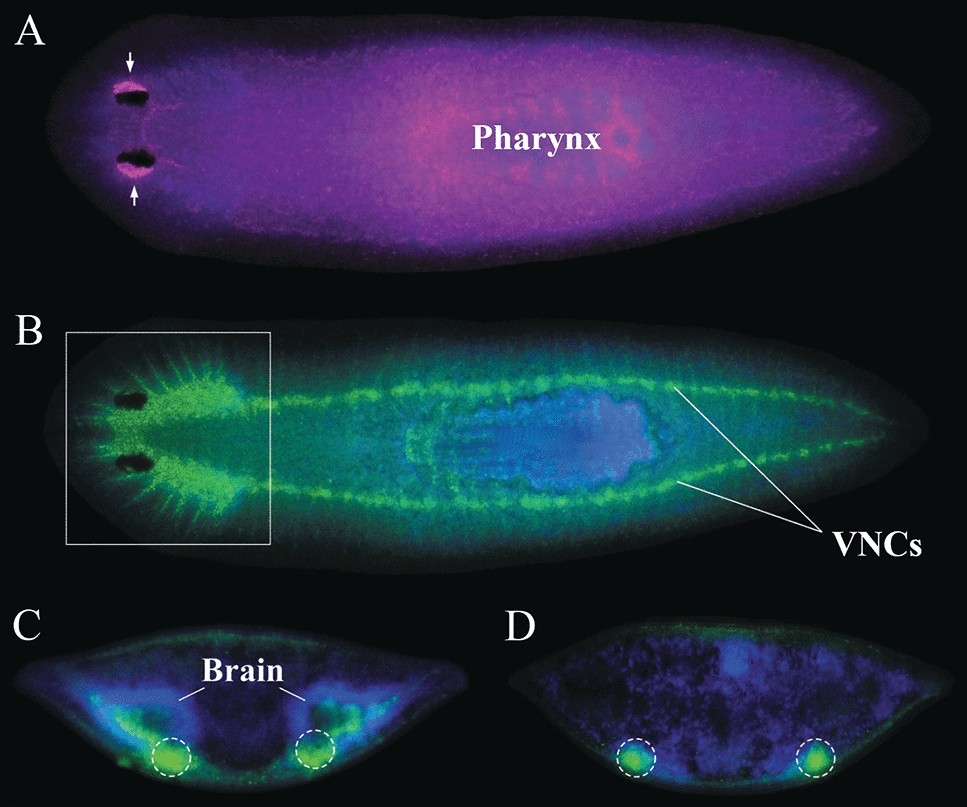
Fig. 1

Please sign in or register for FREE

If you are a registered user on Research Communities by Springer Nature, please sign in

Follow the Topic

Physiology
Life Sciences > Biological Sciences > Physiology
Animal Physiology
Life Sciences > Biological Sciences > Physiology > Animal Physiology
Circadian Rhythms and Sleep
Life Sciences > Biological Sciences > Physiology > Neurophysiology > Circadian Rhythms and Sleep

Ask the Editor - Hearing Disorders and Deafness

Got a question for the editor about hearing disorders and deafness? Ask it here!

Continue reading announcement

Related Collections

With Collections, you can get published faster and increase your visibility.

The Fire of Life – Principles and Practice

The Special Issue The Fire of Life – Principles and Practice will explore the most advances in how energy is gained for operating the machinery of life and how this can be measured. The term "fire of life" to summarize all energy-related processes in an organism was coined by Max Kleiber in the book "The Fire of Life" published in 1961. The methods used for measuring the fire of life are continuously improved or discussed controversially (e.g. direct versus indirect calorimetry, proper methods for field metabolic rate) which merits an update of the current state of methods and thoughts.

If you would like to submit a manuscript on the topic, please contact the Guest Editors with the main key points.

For more details, please read our submission guidelines. Articles will undergo the journal's standard peer-review process and are subject to all the journal's standard policies. Articles will be added to the Collection as they are published. The Editors have no competing interests with the submissions which they handle through the peer-review process. The peer-review of any submissions for which the Editors have competing interests is handled by another Editorial Board Member who has no competing interests.

Publishing Model: Hybrid

Deadline: Apr 30, 2026