Key Role of the CRE Sequence in the Per1 Promoter in Mediating the Switch Between Unipolar and Bipolar Depression‐Like Behaviors
Published in Neuroscience and General & Internal Medicine
The cAMP response element-binding protein (CREB) and Period1 (Per1) have been implicated in depression, but their interactive mechanisms remain unclear. This study investigated the integrative role of CREB and Per1 in depression and explores a potential strategy for rapid antidepressant treatment. Using a chronic unpredictable stress (CUS) model, we conducted behavioral assessments including the sucrose preference test, forced swimming test, elevated plus maze, and open field test. Gene expression was manipulated via stereotaxic surgery and RNA interference (RNAi), while protein levels and viral injection sites were verified through Western blot analysis and immunofluorescence. Additionally, we generated Per1 CRE knockout rats using CRISPR/Cas9, with genotypes confirmed by Sanger sequencing. CUS significantly reduced phosphorylated CREB (pCREB) and PER1 levels in the CA1 region. Both Per1 knockdown in CA1 and CRE sequence knockout induced depression-like behaviors, whereas Per2 knockdown in CA1 produced mania-like behaviors. Notably, CRE knockout in the Per1 promoter increased pCREB binding to the Per2 promoter, upregulating PER2 expression in the CA1 and resulting in depression-like phenotypes that are partially lithium-responsive. Treatment with the adenosine A1 receptor agonist 2-chloro-N6-cyclopentyladenosine (CCPA) elevated pCREB and PER1 levels in the CA1 and elicited rapid antidepressant effects. These effects were present in heterozygotes but absent in homozygotes with a mutated Per1 CRE sequence. These results revealed the pivotal role of the pCREB-CRE-Per1 pathway in CUS-induced depression and its mediation of rapid antidepressant-like effects via adenosine A1 receptor activation. Moreover, the CRE sequence in the Per1 promoter may be a critical molecular link to the pathophysiology of bipolar depression.
.jpg)
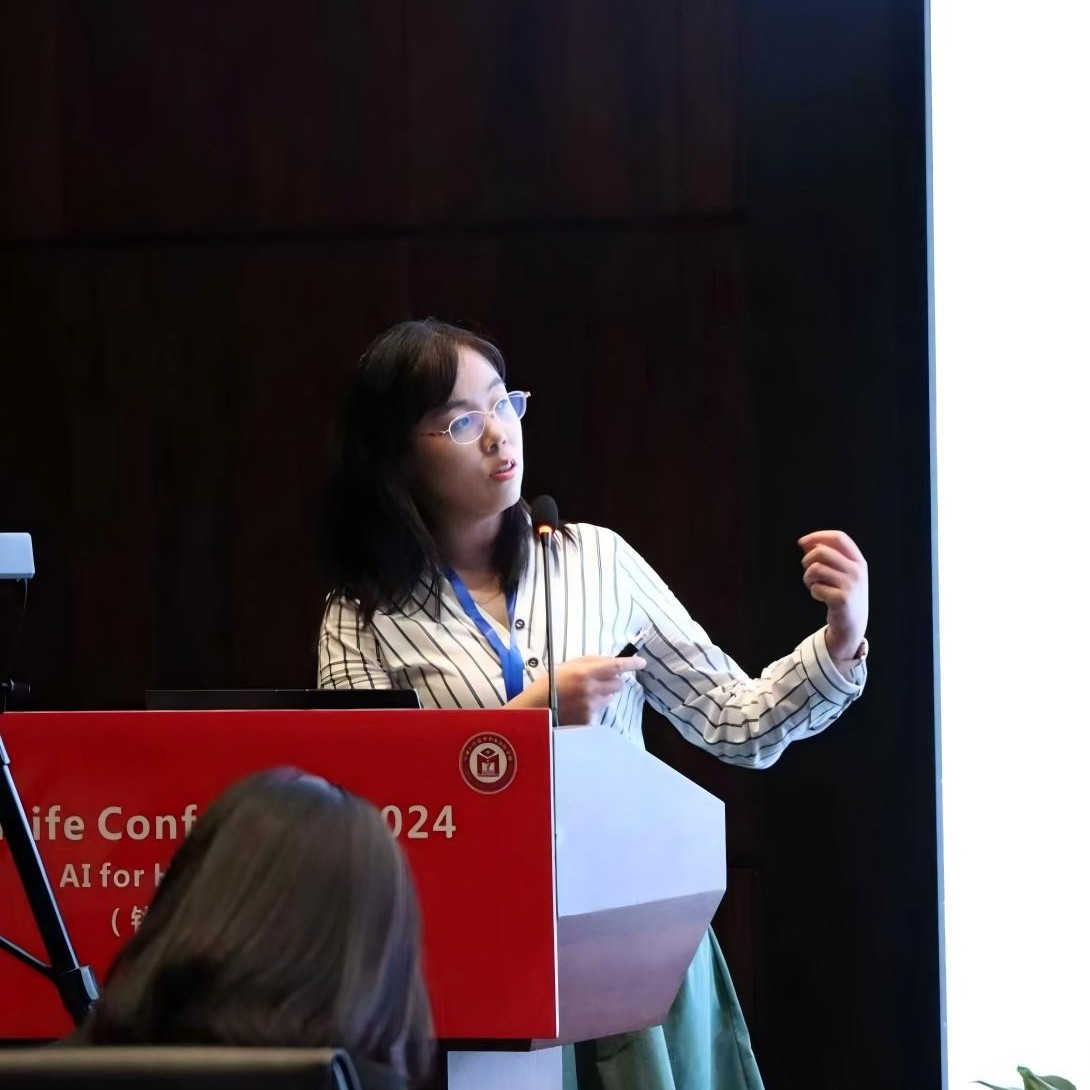
Dr. Xin-Ling Wang received her Bachelor's degree from Xi’an Jiaotong University in 2010. After obtaining her Master's degree in psychiatry from Zhejiang University in 2013 and her Ph.D. from the University of Chinese Academy of Sciences in 2020, she joined Shandong University as a Research Associate and continued her research on the role of circadian rhythm in mood disorders. Since 2023, she has been working as a postdoctoral researcher in Tsvetan Serchov’s team in CNRS and University of Freiburg. To date, she has revealed the molecular pathogenesis of mood transition between depression and mania and demonstrated the molecular switch underlying unipolar depression and bipolar depression. In recognition of this work, she received the 2025 Best Researcher in Neuroscience award.
Follow the Topic
Your space to connect: The Psychedelics Hub
A new Communities’ space to connect, collaborate, and explore research on Psychotherapy, Clinical Psychology, and Neuroscience!
Continue reading announcement
Please sign in or register for FREE
If you are a registered user on Research Communities by Springer Nature, please sign in