World Breastfeeding Week 2026: Strengthening the Support Around Mothers
Published in Sustainability and Public Health
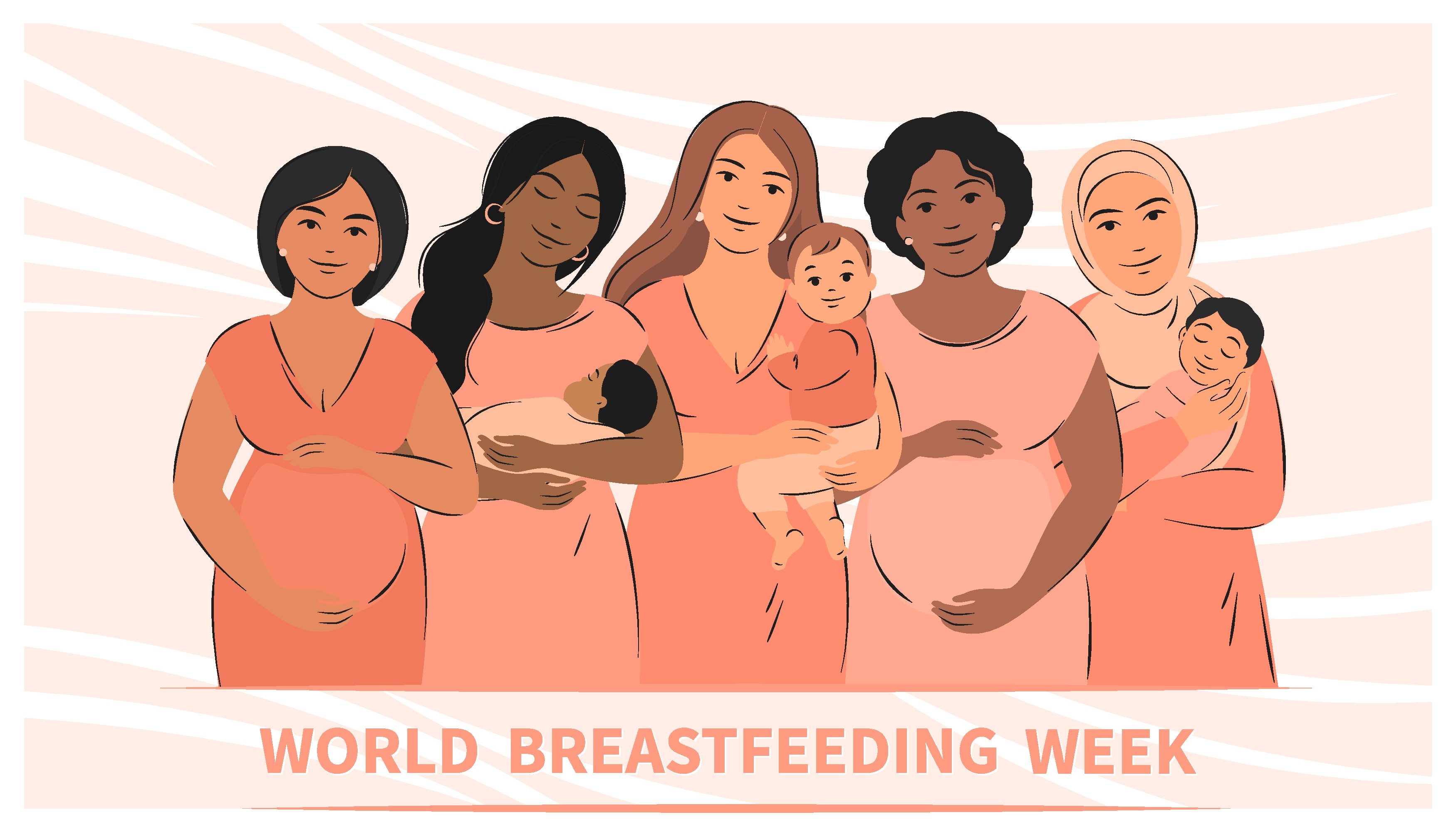
Following World Breastfeeding Week, observed from 1–7 August, this year's theme, “Breastfeeding for a Sustainable Start in Life: Strengthen What Works,” invites us to look beyond the benefits of breastfeeding and ask a practical question: how can we make effective support available to more mothers and babies?
Breastfeeding does not happen in isolation. A mother's experience can be shaped by the policies around her, the healthcare support she receives, the people in her community, and the conditions in which she lives. These wider conditions include access to safe water, sanitation and hygiene, connecting breastfeeding with Sustainable Development Goal 6 (SDG 6): Clean Water and Sanitation.
Recent Springer Nature research offers different perspectives on this challenge. Together, these studies tell a story that moves from creating supportive environments, to reaching mothers proactively, and then to understanding how safe environments and essential services protect child health.
Creating the right conditions for breastfeeding
A 2026 study published in the International Breastfeeding Journal examined breastfeeding policies and promotion in Nigeria through a feminist perspective. The authors highlight the gap that can exist between breastfeeding policies and mothers' lived experiences. Factors including insufficient maternity leave, gender inequalities, cultural expectations and limited access to social amenities, including clean water and electricity, can influence breastfeeding practices. The study therefore challenges the idea that breastfeeding is simply an individual responsibility. This is an important starting point for the 2026 theme. Strengthening what works does not simply mean asking mothers to do more; it means creating conditions in which effective breastfeeding practices are possible.
What if support reaches mothers before they ask for it?
Even when breastfeeding support is available, not every mother will feel comfortable asking for help. A 2026 study in BMC Public Health explored this issue through a proactive breastfeeding-support intervention in Denmark. Health visitors contacted mothers by telephone and combined this with home visits, particularly for families at increased risk of early breastfeeding cessation.
The researchers found that mothers could hesitate to seek help because they did not want to appear bothersome or because breastfeeding difficulties were difficult to discuss. Proactive telephone calls helped address problems earlier, brought health visitors and families closer together, and increased rapport and trust.
The lesson is simple but important: equitable support may require health systems to reach out rather than wait for mothers to reach out themselves.
Can technology help extend that support?
A randomized controlled trial published in BMC Pregnancy and Childbirth evaluated a midwife-designed web-based breastfeeding counselling programme. The study found that the intervention helped maintain exclusive breastfeeding, increased breastfeeding motivation, and reduced breastfeeding-related challenges. At six months, exclusive breastfeeding was reported in 90.6% of mothers receiving the web-based intervention compared with 65.6% in the control group. The findings suggest that digital tools can complement professional care by giving mothers access to reliable information and support after early discharge.
When the wider environment affects maternal and child health
Support for mothers also depends on the wider environment in which families live. A study published in BMC Public Health, examined the experiences of pregnant and postpartum women during and after flooding. The study highlighted how recurrent flooding disrupted access to water, food, and healthcare. Flooding could contaminate water sources and affect sanitation facilities, while healthcare visits were sometimes delayed until floodwaters receded. The findings point to the importance of resilient infrastructure and essential services in protecting maternal and child health during environmental disruptions.
For breastfeeding families, this offers an important reminder: supportive systems must remain accessible even when communities face emergencies.
Safe water and sanitation are also part of child nutrition
A review published in BMC Pediatrics examined the interconnected relationship between persistent diarrhoea, malnutrition, lactose intolerance and gut dysbiosis. The review describes how these conditions can reinforce one another, affecting nutrient absorption, immunity and child growth. It highlights improved hygiene, nutritional support, appropriate treatment and WASH interventions as important components of breaking this cycle.
This reinforces an important point for breastfeeding and infant health: nutrition cannot be separated from the environment in which children grow. Safe water, sanitation and hygiene help create the conditions needed to protect children from preventable illness and support healthy development.
Where are the greatest challenges?
A study in Scientific Reports mapped the geographical distribution of diarrhoea-wasting multimorbidity among children aged 6–24 months across 11 East African countries. The researchers identified geographic hotspots and found that risk factors varied between locations. Importantly for SDG 6, unimproved water sources were identified as a particularly important risk factor in Ethiopia and Zimbabwe. The study highlights the value of location-specific approaches, including water chlorination and community-based interventions, rather than relying on one solution for every setting
For SDG 6, this is an important lesson: knowing where gaps exist can help direct interventions and resources to the communities that need them most.
Strengthening what works, together
The evidence from recent Springer Nature publications reinforces a powerful message: breastfeeding support is a shared responsibility. Effective policies, proactive healthcare support and digital innovation can help more mothers access the assistance they need, while safe water, sanitation and hygiene provide part of the wider foundation for maternal and child health.
As World Breastfeeding Week 2026 calls on us to “Strengthen What Works,” the opportunity is to move from individual successes to sustained and equitable support - strengthening the evidence, systems and environments that enable mothers and babies to thrive.
Explore the SDG 6 Clean Water and Sanitation Hub to discover more research, resources and activities supporting SDG 6.

Noohi joined Springer Nature in 2023 and is currently a Senior Editor with the BMC Series. She holds a PhD in Biotechnology and is based in the Pune office. With a background spanning academic research and scientific publishing, she is particularly interested in people‑centred research, research integrity, and enhancing the author and reviewer experience.
Follow the Topic
-
International Breastfeeding Journal
This journal encompasses articles about breastfeeding, focusing on nursing, midwifery, paediatric, obstetric, family medicine, public health, immunology, physiology, sociology and many other topics.
-
Scientific Reports
An open access journal publishing original research from across all areas of the natural sciences, psychology, medicine and engineering.
-
BMC Public Health
An open access, peer-reviewed journal that considers articles on the epidemiology of disease and the understanding of all aspects of public health.
-
BMC Pediatrics
This is an open access journal publishing peer-reviewed research articles in all aspects of health care in neonates, children and adolescents, as well as related molecular genetics, pathophysiology, and epidemiology.
-
BMC Pregnancy and Childbirth
This is an open access, peer-reviewed journal that considers articles on all aspects of pregnancy and childbirth. It welcomes submissions on the biomedical aspects of pregnancy, breastfeeding, labor, maternal health, maternity care, trends and sociological aspects of pregnancy and childbirth.





Related Collections
With Collections, you can get published faster and increase your visibility.
Life-course approaches to chronic disease prevention
BMC Public Health is calling for submissions to our Collection on Life‑course approaches to chronic disease prevention. This Collection highlights research that examines how health trajectories are shaped from early development through older adulthood, and how targeted interventions at key stages of life can reduce the burden of chronic diseases.
We welcome studies that explore behavioral, social, and environmental influences across the life-course, as well as research that evaluates policies and programs designed to promote long‑term health. Topics of interest include, but are not limited to:
- Long-term effects of early-life interventions across multiple domains
- The role of adverse childhood experiences and developmental trauma throughout the life course
- Lifelong behavioral trajectories and their cumulative impact
- Innovative methodologies in life-course epidemiology
- Evaluation of the effectiveness of life-course interventions in preventing chronic diseases
- Implications of life-course approaches for policy development and health promotion strategies
By bringing together diverse perspectives, we aspire to inspire actionable insights that can guide effective public health strategies and improve health equity for all.
This Collection supports and amplifies research related to SDG 3: Good Health and Well-being.
All manuscripts submitted to this journal, including those submitted to collections and special issues, are assessed in line with our editorial policies and the journal’s peer-review process. Reviewers and editors are required to declare competing interests and can be excluded from the peer review process if a competing interest exists.
Publishing Model: Open Access
Deadline: Feb 20, 2027
Phytochemicals and health
Publishing Model: Open Access
Deadline: Oct 28, 2026



Please sign in or register for FREE
If you are a registered user on Research Communities by Springer Nature, please sign in