World Health Day 2026: Q&A with Dr. Alexandra Ridout
Published in General & Internal Medicine and Public Health
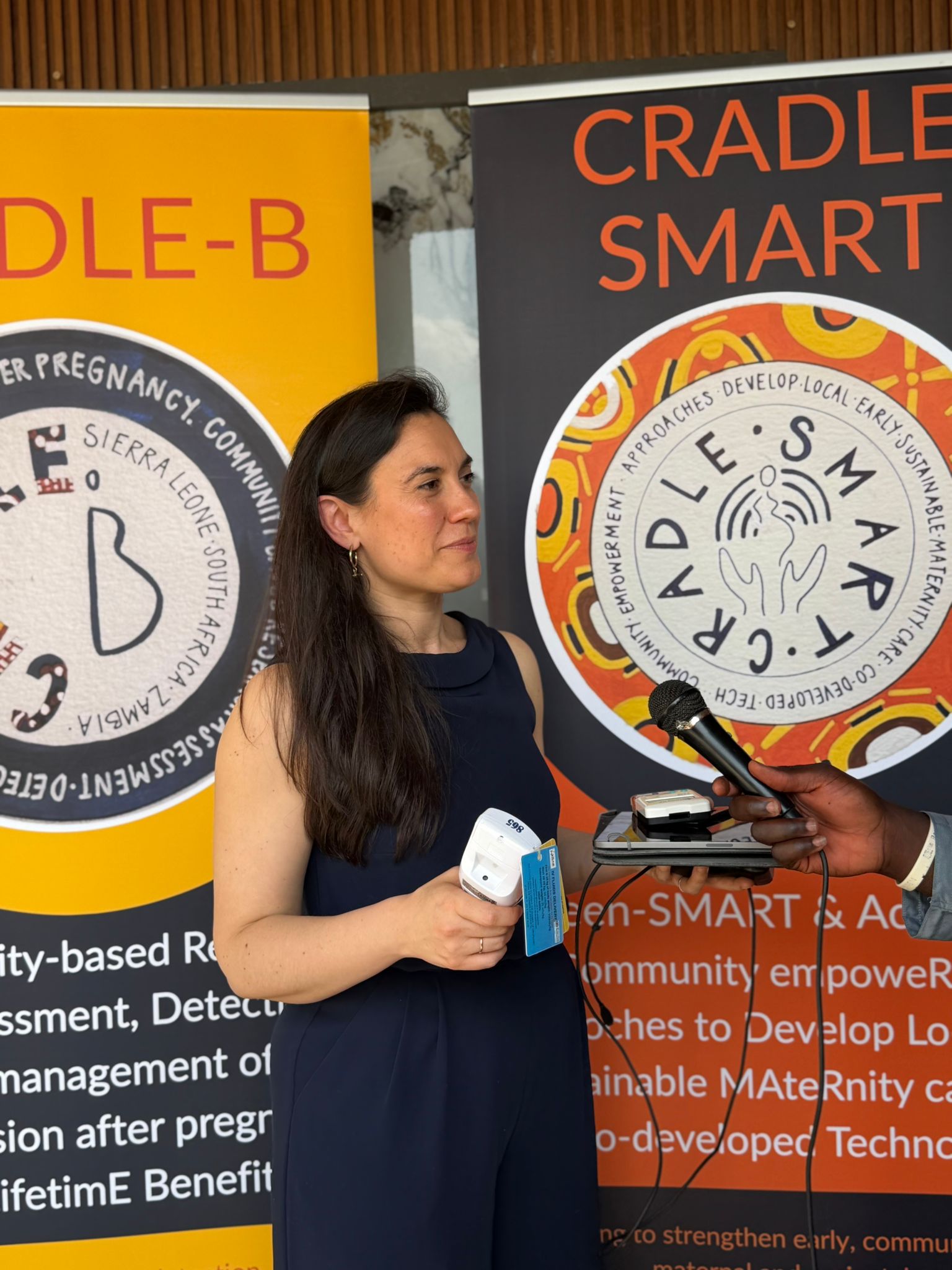
Dr. Alexandra Ridout is an Obstetrician & Gynaecologist at St Thomas’ Hospital and Clinical Lecturer in Maternal Global Health at King’s College London (King’s Prize Fellowship, NIHR DSE Award) and an Editorial Board Member of BMC Medicine. She is currently co-leading the NIHR-funded Global Health Research Group CRIBS, which focuses on simple, scalable innovations to reduce maternal mortality in Sierra Leone. She is the UK lead for the CRADLE-5 trial, evaluating the impact of the national scale-up of the CRADLE intervention, a vital signs alert device and emergency triage package, into routine maternity care in Sierra Leone.
Her research interest in high-risk pregnancy spans high and low-income settings; her thesis looked at strategies to personalise prediction of spontaneous preterm birth (King’s Outstanding Thesis Award).
How does your research relate to the SDGs?
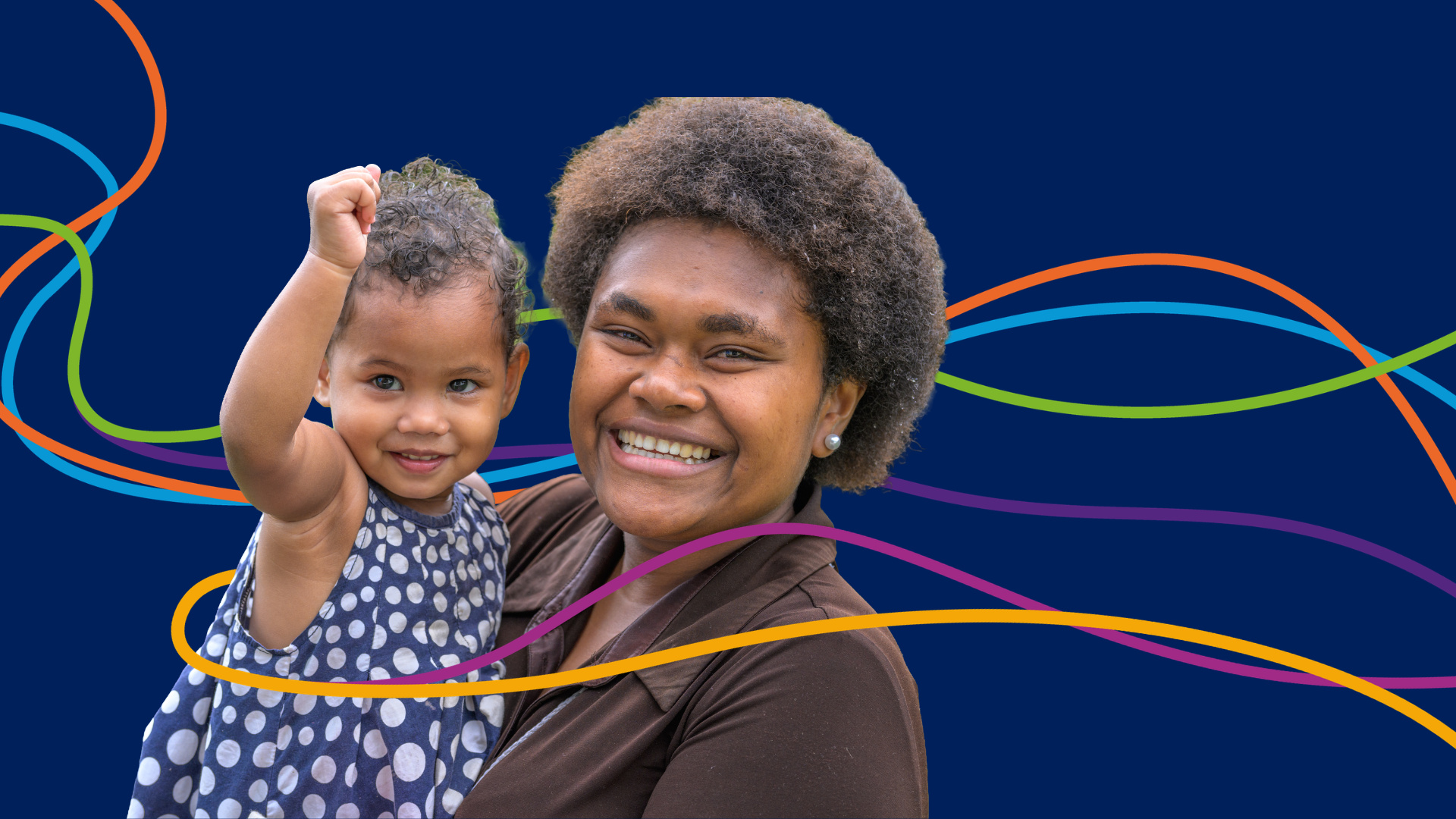
 My research is closely aligned with SDG3, ensuring healthy lives and promoting wellbeing for all, at all ages, but it also intersects with goals around gender equality, poverty reduction, and partnerships.
Maternal health sits at the centre of this. Globally, over 300,000 women die each year during pregnancy and childbirth, and the vast majority of these deaths are preventable. Strikingly, sub-Saharan Africa accounts for around 70% of maternal deaths, despite representing less than 20% of the global population. That imbalance reflects deeper structural inequalities in access, resources, and trust in health systems.
Our work focuses on addressing these gaps through simple, scalable, community-based innovations. For example, the CRADLE programme has developed a low-cost blood pressure and shock device with a traffic light early warning system, now used at national scale in Sierra Leone. This includes the use of shock index, calculated as heart rate divided by systolic blood pressure, a simple physiological marker developed within this work. The CRADLE device remains the only device that automatically calculates this in low-resource settings, yet the World Health Organisation has now integrated shock index into the definition of postpartum haemorrhage, reflecting its growing global importance and likely increasing its use in high-resource settings. We are also developing the evidence for point-of-care diagnostics for pre-eclampsia, such as placental growth factor, alongside community-based programmes like 2YoungLives, which supports pregnant adolescent girls through mentorship and has significantly improved outcomes.
What links all of this is a focus on equity. The SDGs are not just about improving averages, they are about reaching those who are currently missed. For me, success is not just better technology, but ensuring that the women most at risk are the ones who benefit from it.
Why did you decide to go into your field of research?
I was drawn to maternal health because it combines science with something very immediate and profoundly human. It sits at the intersection of science, systems, and social justice. You see very quickly that outcomes in pregnancy are not determined by biology alone, but by where a woman lives, whether she is listened to, and whether she can access care in time.
Early in my training, I was struck by how stark those differences are. Women can present with the same condition, but have completely different outcomes depending on context. That raises fundamental questions about fairness in healthcare, and what we can do differently. Was a woman seen early enough? Was her blood pressure measured accurately? Did someone recognise that she was deteriorating? Those questions stayed with me.
What has kept me in the field is the sense that change is possible. Many of the leading causes of maternal death, such as pre-eclampsia and postpartum haemorrhage, are increasingly well understood and, in many cases, preventable. The challenge is not always discovering something new, but making sure that what we know reaches the women who need it most.
I’ve also been fortunate to work in teams that bring together clinicians, including doctors, midwives and nutritionists, alongside researchers, engineers, and communities across different countries. That kind of collaboration, across disciplines and settings, makes the work intellectually engaging, deeply meaningful, and a lot of fun.
How has knowledge in this field developed over the course of your career?
One of the biggest shifts has been moving from seeing maternal complications mainly as acute emergencies, to understanding them as part of a much broader continuum of risk across the life course.
In hypertensive pregnancies, for example, the focus used to be on the visible crisis, severe hypertension, seizures, delivery, and survival. Those remain critical, but we now have much better tools to identify risk earlier. Biomarkers such as placental growth factor, alongside simple measures like blood pressure, are helping us move towards earlier and more accurate screening. Evidence from trials such as CRADLE-4 has shown that delivery at the right time can dramatically reduce stillbirth and improve maternal outcomes.
At the same time, our understanding of longer-term consequences has deepened. Pregnancy is increasingly recognised as a physiological stress test, revealing underlying vascular vulnerability. Cardiovascular disease is now the leading cause of death among women globally, and complications such as pre-eclampsia form part of that trajectory. There is also growing recognition that some of the most important consequences may be those we do not immediately see, including neurological and renal sequelae.
What has also changed is how we think about implementation. Increasingly, the focus is on bringing care closer to women’s lives. For example, AI-enabled point-of-care ultrasound now allows midwives to estimate gestational age, and soon fetal growth, in minutes, helping a woman understand when she is likely to deliver and what that means for her care. These kinds of innovations are shifting the field from crisis response to earlier prediction and prevention.
What challenges do those from low- and middle-income countries in particular face?
The challenges are both structural and systemic. In many low- and middle-income countries, women still face delays at every stage, recognising symptoms, reaching care, and receiving appropriate treatment once they arrive. These delays are compounded by shortages of trained staff, essential medicines, diagnostics, and transport.
But what is often less visible is how these constraints shape innovation. In low-resource settings, innovation has to earn its place. It must be simple, affordable, and able to function within real-world pathways.
That necessity can be a powerful driver of what is sometimes called frugal innovation. A handheld blood pressure device, a rapid finger-prick test, or a tool that helps frontline workers recognise deterioration early can have far greater impact than more complex technologies that rely on infrastructure that simply is not there.
Importantly, these innovations do not only benefit low-resource settings. They often challenge assumptions in high-resource countries and create opportunities for reverse innovation, improving access and equity within systems like the NHS, in line with the 10-year plan.
What are your hopes for progress in the future?
My hope is that we move towards a model of care that is earlier, more equitable, and more connected to women’s everyday lives.
We already have many of the tools we need, better diagnostics and a growing understanding of risk across the life course. The opportunity now is to ensure these advances translate into real-world impact, particularly for women who are currently least well served.
I would like to see greater integration of simple, evidence-based tools into routine care across all settings, alongside continued investment in health systems, training, and trust. Technology alone is never enough.
There is also an important role for collaboration. The theme of “together for science” feels particularly relevant. Progress depends on partnerships across countries, disciplines, and communities, and on ensuring that innovation is shaped by the people it is designed to serve.
Ultimately, success will be measured not by innovation itself, but by outcomes. Fewer women dying in pregnancy, fewer babies lost, and more women living longer, healthier lives beyond pregnancy.