2025 BMC Ecology and Evolution & BMC Zoology Image Competition
Published in Ecology & Evolution and Zoology & Veterinary Science
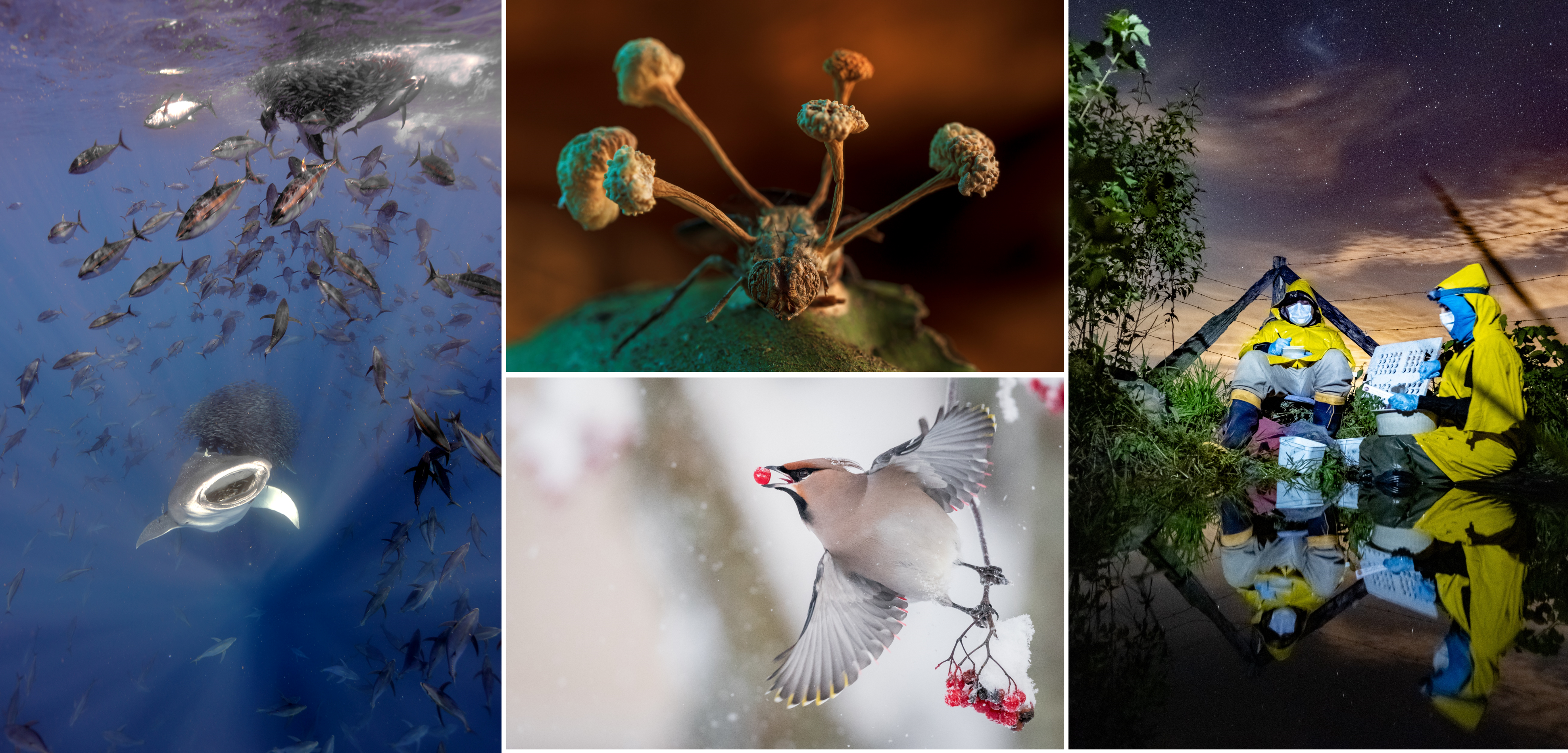
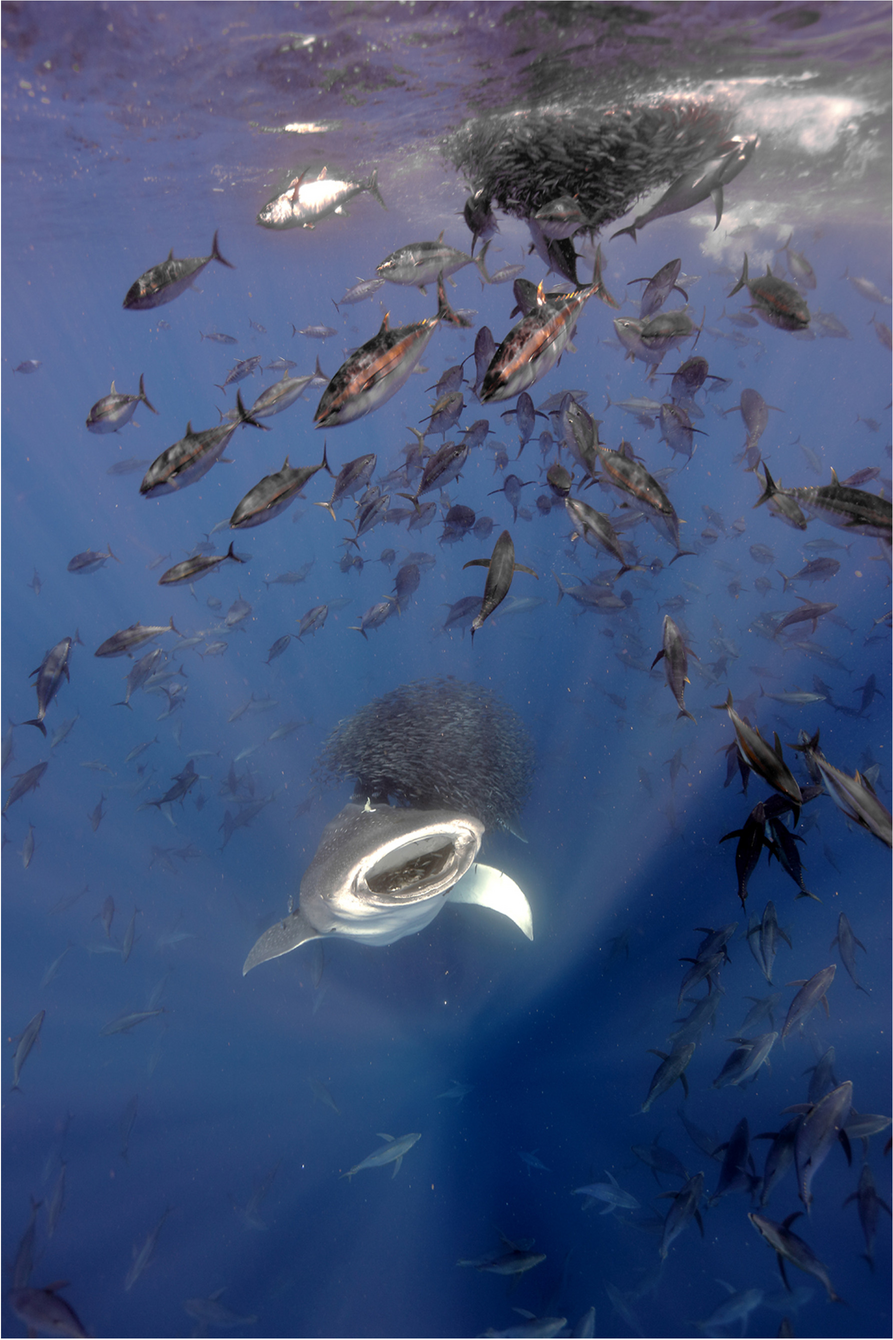

The annual image competition hosted by BMC Ecology and Evolution and BMC Zoology never fails to captivate researchers and the public! Each year, we are delighted to receive a spectacular collection of images from researchers worldwide that celebrate the power of scientific storytelling through imagery. Our past winners have been featured by CNN, Live Science, BBC Science Focus, Popular Science, Newsweek, Gizmodo, El País, MailOnline, and National Geographic España, reaching a global audience.
Don’t miss your chance to showcase your research, win prizes and see your work featured in an editorial published by BMC Ecology and Evolution. Find out more about last year's winners here: 2024 joint BMC Ecology and Evolution and BMC Zoology image competition: the winning images | BMC Ecology and Evolution | Full Text
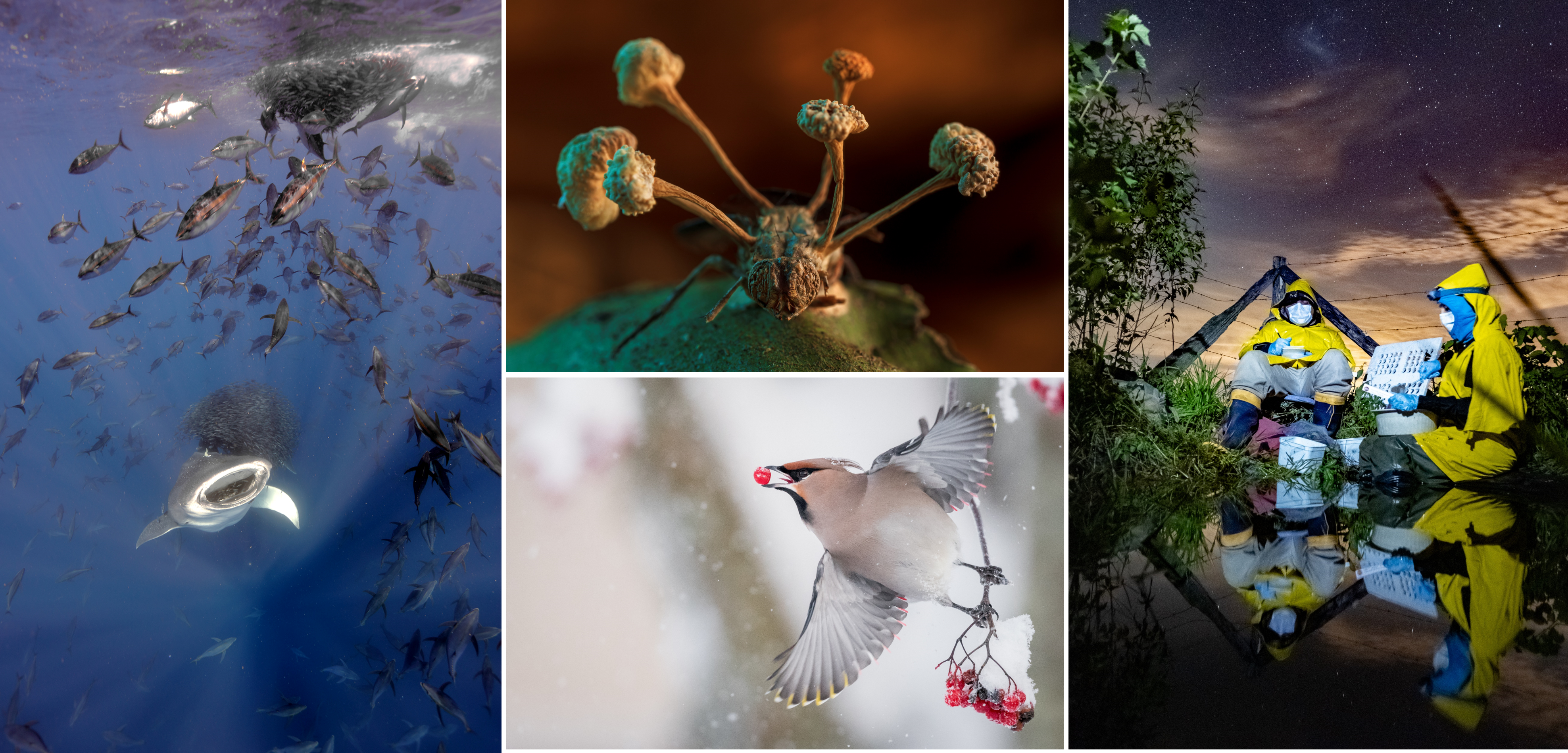
Competition Categories
Anyone affiliated with a research institution and working in ecology, evolutionary biology, palaeontology, or zoology is eligible to submit one image per category:
1. Research in action. Images that showcase ecological, evolutionary biology or zoological research or capture experiences conducting studies and collecting data.
2. Colourful strategies. From dazzling displays to cunning camouflage, show how animals and plants use colour to survive - whether to attract mates, evade predators, catch prey or communicate.
3. Life in motion. Images that capture movement in nature, from the sprint of a cheetah to the silent glide of an owl, as well as fossil evidence of how long-extinct species moved. Images that capture animal locomotion and biomechanics.
4. Collective and social behaviour. Images that show how animals work together, communicate, and make decisions. Examples include fish schools, bird flocks, insect swarms, and other group dynamics in nature.
Judging and prizes
Judging the competition will be members of the BMC Ecology and Evolution and BMC Zoology Senior Editorial Board, along with the Editor, Jennifer Harman. The journals will award the overall winner €800 and the winner for each of the four categories €200. The journal will also award €50 to the runner-up for each category.
How to submit
Please email your images to Jennifer Harman at jennifer.harman@springernature.com with the subject line “Image Competition 2025” and include the following:
- Your name:
- Affiliation:
- Contact details of your Research Institute:
- Twitter handle (optional):
- Category:
- Image name:
- Description (Max. 250 words):
- File type:
- Data attribution (if applicable):
- I agree to release this image under a Creative Commons License: Y/N
Please attach your image entry to your email.
Rules:
- Anyone affiliated with a research institution and working within the fields of ecology, evolutionary biology, paleoecology, or zoology is eligible to enter.
- Resolution Requirement: Images must have a minimum resolution of 300 dpi (1831 x 1831 pixels for a raster image) and a maximum file size of 10 MB.
- File Format: Images must be saved in TIFF, JPEG, or RAW file formats.
- Ownership Rights: The image submitted must be your own, and you must possess the necessary rights to use it.
- Exclusion of AI-Generated Images: Images generated using artificial intelligence (AI) will not be considered for the competition.
- Creative Commons Licensing: By entering the competition, you agree to release the images under a Creative Commons license (https://creativecommons.org/licenses/by/4.0/) in alignment with our open-access policies. This agreement allows for file sharing with proper attribution.
- Judging: BMC Ecology and Evolution and BMC Zoology Editors and Senior Editorial Board Members will judge the submissions. Unfortunately, we are unable to provide feedback to every applicant.
The entry deadline is June the 20th, 2025, with the winners being announced on August the 15th.

Follow the Topic
-
BMC Ecology and Evolution
An open access, peer-reviewed journal interested in all aspects of ecological and evolutionary biology.
-
BMC Zoology
This is an open access, peer-reviewed journal that considers articles on zoology, including comparative physiology, mechanistic and functional studies, morphology, life history, animal behavior, signaling and communication, cognition, parasitism, systematics, biogeography and conservation.


Related Collections
With Collections, you can get published faster and increase your visibility.
Nighttime ecology and evolutionary adaptations to low-light environments
BMC Ecology and Evolution welcomes submissions of research exploring the remarkable adaptations and ecological dynamics that enable life to flourish in the dark and low light environments. Contributions will explore evolutionary adaptations such as sensory specialization (e.g., night vision, echolocation, bioluminescence, heat-sensitive pits, and specialized hairs) that allow organisms to navigate, forage, and communicate in low-light conditions from caves to the deep sea. The collection will also investigate behavioral and physiological mechanisms, including circadian rhythm adjustments and predator-prey interactions, that are essential for survival in nocturnal niches.
Submissions on the impact of anthropogenic influences, such as light pollution, on nocturnal ecosystems and biodiversity are encouraged. The Collection also welcomes research on nighttime bioacoustics and soundscapes, examining how sound is used to adapt to and shape nocturnal environments. Contributions discussing the role of citizen science in advancing our understanding of nighttime ecology are also encouraged.
Publishing Model: Open Access
Deadline: Nov 20, 2026
Evolution of disease: From pathogens to proliferating cells
Evolution of disease: From pathogens to proliferating cells is a special Collection that explores how evolutionary processes shape health and disease—from infectious microbes to cancerous cells. We invite research within the discipline of evolutionary medicine that examine how forces such as natural selection, genetic drift, host-pathogen coevolution, and environmental change contribute to disease susceptibility, resistance, and progression. We welcome submissions that deepen our understanding of disease as a dynamic outcome of evolutionary interactions.
Topics of research may include but are not limited to research which uses evolutionary principles to understand:
1. Pathogen evolution, resistance, and host interactions
•
The evolution of antibiotic, antiviral, antifungal, and antiparasitic resistance
•
Mechanisms of immune evasion, persistence, and transmission
•
Experimental evolution and molecular insights into pathogen adaptation
•
Host-pathogen coevolution and the impacts of medical or environmental interventions
•
Comparative host-pathogen dynamics across species
2. Evolutionary mismatch and modern disease
•
Evolutionary insights into metabolic disorders, autoimmune conditions and cancer
•
When a previously advantageous trait becomes maladaptive due to change in the environment
3. Evolution of cancer
•
Evolutionary and ecological models of cancer progression and resistance
•
Comparative oncology: insights from cancer-resistant and long-lived species
•
Somatic evolution, immune escape, and tumor heterogeneity
4. Genetic variation, adaptation, and disease susceptibility
•
Adaptive and maladaptive genetic variants in human and animal populations
•
Pleiotropy and trade-offs in immune function, metabolism, and reproduction
•
Population genetics, admixture, and the evolutionary roots of health inequality
5. Microbiome evolution and host symbiosis
•
Coevolution and community ecology of host-associated microbiota
•
Functional evolution in microbial genomes and implications for host health
•
Microbiome shifts due to modern environments, drugs, or host genetic factors
6. Viral evolution and endogenous elements
•
Evolutionary arms races between hosts and viruses
•
Evolution and function of endogenous viral elements in animal genomes
•
Phylogenomic approaches to uncover ancient viral influences on host evolution
7. Experimental and computational approaches
•
Experimental evolution in microbial or model systems
•
Genomics, phylogenomics, and systems biology in disease evolution
•
Machine learning and AI in evolutionary medicine research
Publishing Model: Open Access
Deadline: Dec 04, 2026