After the paper | Third generation effects of chemotherapy drug treatment?
Published in Cancer

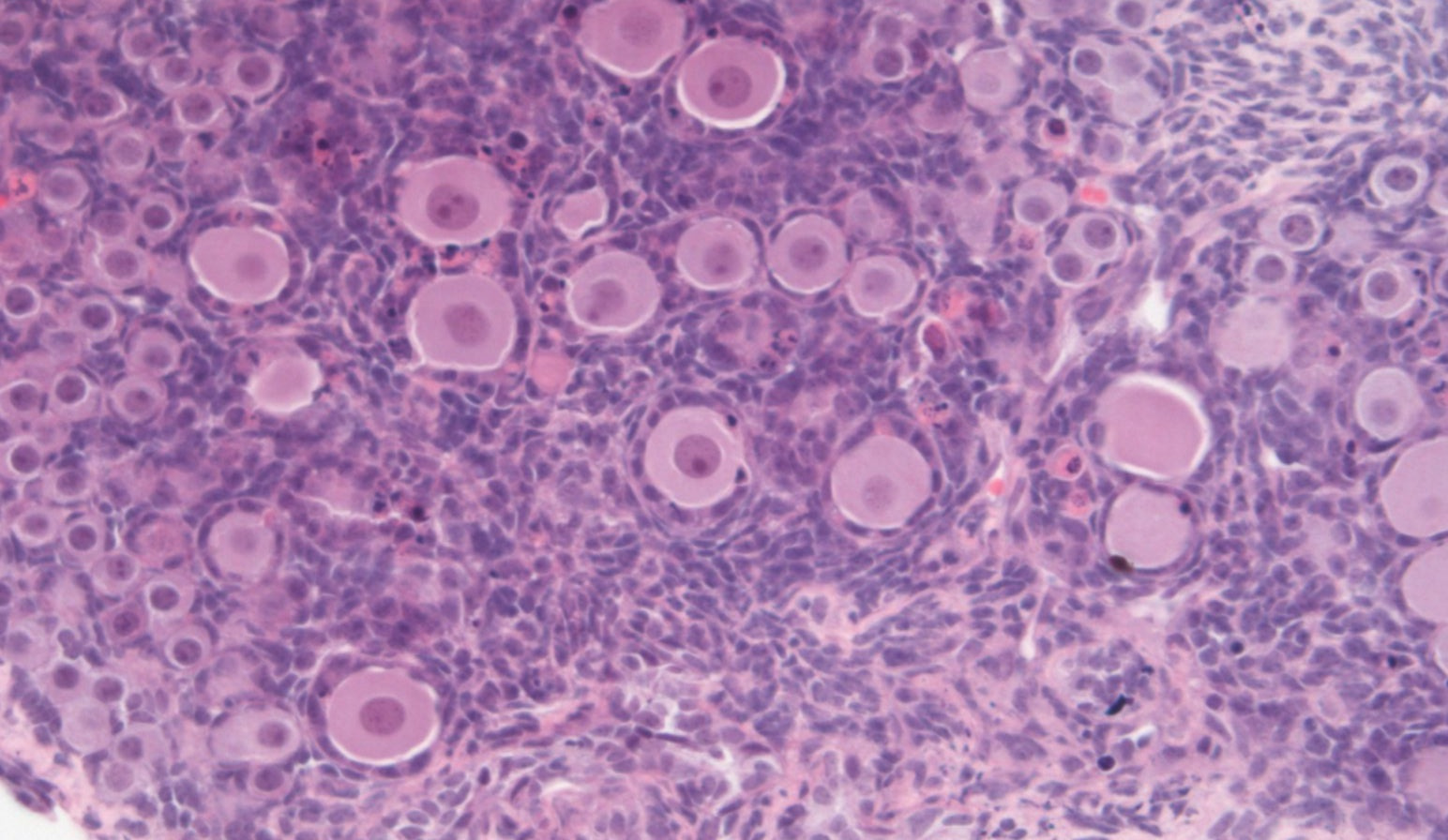


In 2016, our paper on ‘Etoposide damages female germ cells in the developing ovary’ was published in BMC Cancer. The paper explored the effects of the topoisomerase II inhibitor etoposide, a chemotherapeutic which can be given to pregnant cancer patients, on the germ cells which would be developing within any female fetus during the pregnancy. Using a mouse model, we found that etoposide damaged ovarian germ cells at very early stages, prior to formation of the ovarian follicles in which the germ cells grow and mature, but that exposure to the same, or even higher concentration of etoposide had no effect on these germ cells after the follicles had formed. This suggests that the precise timing of treating any pregnant woman with etoposide may be a crucial factor in determining the extent to which the future fertility of an exposed fetus may be affected.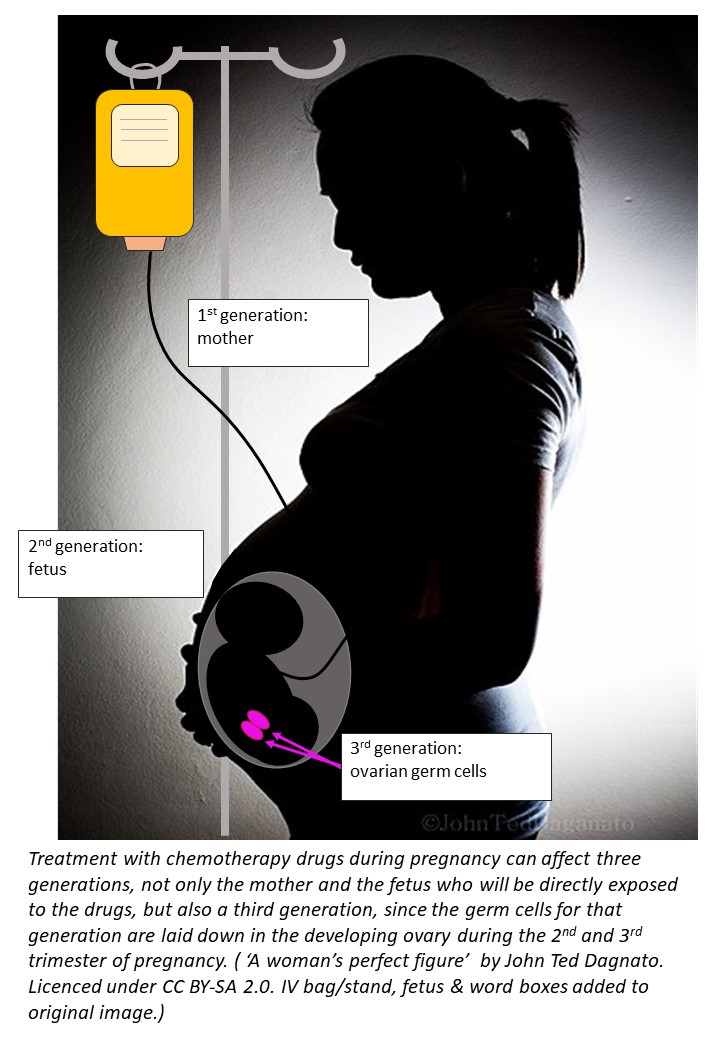
So what happened after our paper was published?
AGNES
The paper received considerable attention in various news outlets (Altmetric – Etoposide damages female germ cells in the developing ovary) which I had not really expected. The reason I had initially stumbled into this area of research was something of a chance effect, as a consequence of the focus of my PhD, in which I was examining other types of topoisomerase II inhibitors, and their effect on female fertility. When I then started exploring the literature I was astonished to find that next-to-no research had been carried out to determine whether chemotherapy drugs, such as etoposide, could affect the future fertility of the exposed fetus. I was even more surprised to find out that chemotherapy treatment is considered safe to administer to pregnant women after the 1st trimester, despite the understanding that many chemotherapy agents can have damaging effects on fertility of children and young people with cancer. That discovery then lead me down this research path, since it seemed to me to be an important gap in this field. Therefore, I was delighted that the paper received so much interest in the media, since that interest would further help to highlight the gap, and explain to people why it is important for scientists and clinicians to explore this area further.
This was my first publication on which I was the first author, and I went on to present the findings from the paper at the annual Society of Reproduction and Fertility conference in 2016, winning their postdoctoral prize for that talk. This prize included a round trip to Australia to present my findings at the annual conference of the Society for the Study of Reproduction in Perth the following year, a fantastic experience, and also my first time visiting Australia.
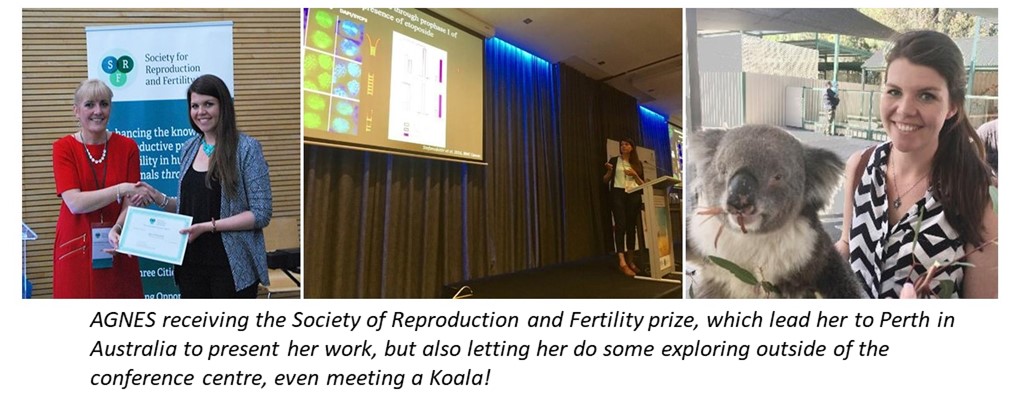
I now have a lectureship, as part of which I am continuing to work on this topic: indeed, this has become the focus of my current research.
NORAH
I think that there are two consequences of the research project published in this BMC Cancer paper that stand out to me.
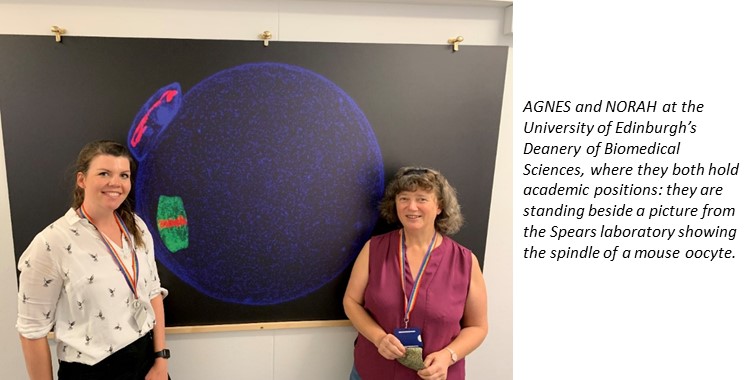
Firstly, for me this work began as part of the PhD project of my then graduate student, Agnes Stefansdottir. Agnes is the first of my PhD students with whom I have then gone on to collaborate as they have gained research independence, in this case with Agnes starting a Lectureship at the University of Edinburgh. Watching the careers of previous PhD students develop in the years after graduation is always very fulfilling, one of the highlights being a supervisor. Continuing to work with that person as has happened here, and doing so on a topic that has stemmed from that PhD project has been particularly rewarding.
Secondly, despite the fact that the need to administer chemotherapy treatment to pregnant women is, luckily, uncommon – estimates are that this will only happen in around one in a thousand pregnancies – I have been surprised to find that there have been a couple of occasions where I have met people with a personal link to this situation. Probably because the topic has not gained much general attention until recently, people caught up in this situation are particularly keen to discuss what the ramifications might be, and what it might be helpful to do. This very much brings the research topic to life, powerfully highlighting the need for the work to continue.
AGNES AND NORAH
Since the publication of our BMC Cancer paper, we have both been very pleased to see that the importance of this topic is gaining increasing recognition. One result of this is that we now have links with other scientists and with clinicians who work with pregnant cancer patients, leading to us becoming part of a collaboration of research groups across Europe.
Follow the Topic
-
BMC Cancer
This is an open access, peer-reviewed journal that considers articles on all aspects of cancer research, including the pathophysiology, prevention, diagnosis and treatment of cancers.

Related Collections
With Collections, you can get published faster and increase your visibility.
Cancer survivorship: surveillance, prevention, and long-term care
Research has shown that cancer survivors require risk-adapted, comprehensive follow-up strategies that address both the ongoing risk of disease recurrence and the long-term health needs associated with cancer and its treatment. Effective survivorship care extends beyond routine surveillance and clinical assessments to encompass the monitoring and management of treatment-related sequelae and late effects, promotion of healthy behaviors, psychological and social wellbeing, and prevention or early detection of future health impairments. Within this framework, surveillance for recurrence remains an important component of post-treatment care, while personalized survivorship approaches can help integrate disease monitoring with strategies to optimize long-term health and quality of life.
Recent advances in surveillance imaging, recurrence risk assessment, risk stratification, and personalized survivorship care planning have strengthened post-treatment management by enabling more individualized follow-up. At the same time, behavioral health interventions, including smoking cessation, physical activity, dietary modification, and psychosocial support, may contribute to improved health and survivorship outcomes. Survivorship care plans can provide structured, risk-based recommendations that integrate recurrence surveillance with the prevention and management of late effects and other long-term health needs.
Despite these advances, important gaps remain in understanding how clinical, behavioral, biological, and patient-reported factors interact to influence recurrence, late effects, quality of life, and long-term health outcomes. Further research is needed to evaluate personalized surveillance strategies, interventions to prevent and manage treatment-related sequelae, lifestyle and behavioral interventions, predictive care models, and emerging technologies that can support individualized survivorship care. Addressing these questions will be essential to advancing evidence-based approaches that support cancer survivors across the full continuum of post-treatment care.
In light of this, BMC Cancer is opening this collection on "Cancer survivorship: surveillance, prevention, and long-term care." We invite submissions addressing the broad spectrum of cancer survivorship research, including but not limited to:
- Prevention, detection, and management of treatment-related late effects and sequelae
- Behavioral health and lifestyle interventions, including physical activity, nutrition, and smoking cessation
- Psychosocial health and quality of life in cancer survivors
- Cancer surveillance and follow-up methodologies
- Recurrence risk assessment and risk-adapted surveillance
- Imaging and other technological advancements in post-treatment follow-up
- Patient-reported outcomes and survivor-centered approaches to care
- Risk stratification and personalized survivorship care
- Survivorship care planning and models of coordinated follow-up
- Prevention and early detection of long-term health complications
- Digital health and emerging technologies for monitoring and supporting cancer survivors
- Implementation of evidence-based survivorship interventions in clinical practice
Publishing Model: Open Access
Deadline: Jun 15, 2027
Extracellular vesicles in cancer
Extracellular vesicles (EVs) have emerged as critical mediators of intercellular communication in cancer, enabling dynamic crosstalk between tumor cells and the surrounding microenvironment. Through the coordinated release of small extracellular vesicles and microvesicles, vesicles generated via endosomal trafficking or plasma membrane budding, cancer cells disseminate a diverse array of bioactive cargo, including proteins, messenger RNAs, microRNAs, and DNA fragments. The transfer of these molecular signals to neighboring tumor cells, stromal components, and immune cells can reprogram recipient cell behavior, fostering tumor growth and survival while promoting immune evasion, invasion, and metastatic spread. In this way, EV-mediated communication represents a central mechanism by which tumors adapt to and manipulate their microenvironment during disease progression.
The role of EVs in cancer has garnered increasing attention due to their potential clinical applications. Accumulating evidence indicates that the quantity and molecular composition of EVs released by tumor cells vary according to tumor origin, stage, and response to treatment. This dynamic and tumor-specific EV profile positions them as promising non-invasive diagnostic and prognostic biomarkers, capable of reflecting disease progression and therapeutic outcomes.
Continued investigation into EV biology is expected to open new avenues for precision oncology. Advances in EV isolation, characterization, and functional analysis, coupled with multi-omics technologies, may further clarify their roles in tumor heterogeneity and drug resistance. Moreover, the pharmaceutical exploitation of EVs as natural drug delivery vehicles holds significant promise for targeted therapies.
BMC Cancer is opening this collection on “Extracellular vesicles in cancer.” Topics of interest include:
- Role of small extracellular vesicles in tumor metastasis
- Microvesicles as mediators of immune evasion
- Apoptotic bodies in cancer progression
- Extracellular vesicles as diagnostic biomarkers
All manuscripts submitted to this journal, including those submitted to collections and special issues, are assessed in line with our editorial policies and the journal’s peer review process. Reviewers and editors are required to declare competing interests and can be excluded from the peer review process if a competing interest exists.
Publishing Model: Open Access
Deadline: Nov 20, 2026