Anesthetic Consideration for Geriatric Patient
Published in Biomedical Research
The geriatric population experiences significant alterations of numerous organ systems as a result of the aging process. They also have several co-morbidities including hypertension, cardiac disease, diabetes, cerebrovascular disease and renal dysfunction. Geriatric patients are considerably vulnerable and especially sensitive to the stress of trauma, surgery and anesthesia. A high incidence of postoperative complications in this population is observed. Appropriate perioperative care was required for geriatric patients. To date, development in anesthesia and surgical techniques has substantially reduced morbidity and mortality in the geriatric patients.
Several anesthetic techniques have been utilized for these patients. However, anesthesia-related mortality in geriatric patients is quiet high. All geriatric patients undergoing surgical procedures require a preprocedural evaluation and preparation, monitoring patients during intraprocedural and postprocedural periods as well as postprocedural management. This chapter highlights the physiological changes, preprocedure assessment and preparation, anesthetic techniques, intraprocedural and postprocedural management in geriatric population.
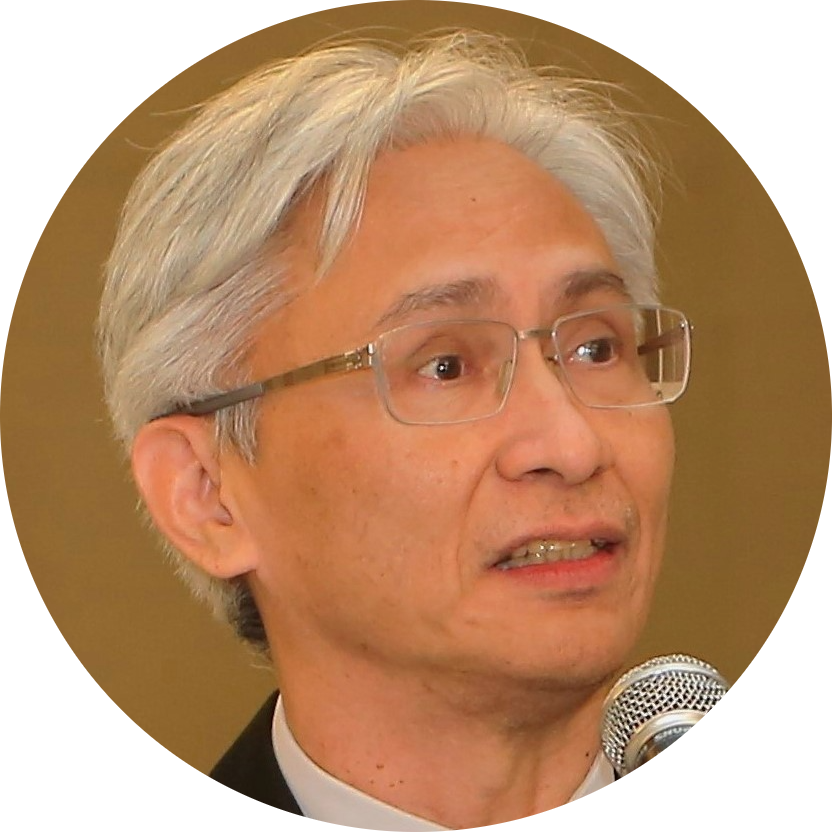
Dr. Somchai Amornyotin is a Professor at the Department of Anesthesiology, Faculty of Medicine Siriraj Hospital, Mahidol University. From 2005 until 2009 he was the chief of the Anesthesiology Division of Siriraj GI Endoscopy Center, Faculty of Medicine Siriraj Hospital, Mahidol University. His first scientific paper was published in Thailand in 1999. He has practiced anesthesia for gastrointestinal endoscopy since 2002. He was on the committee of Siriraj Gastrointestinal Endoscopy Center, Faculty of Medicine Siriraj Hospital in 2005. More than 80 of his articles have been published in Thai and international medical journals. Dr. Amornyotin is a member and committee of the Royal College of Anesthesiologists of Thailand, the Gastroenterological Association of Thailand, and many scientific societies. He is the reviewer and editor of many international journals.
Please sign in or register for FREE
If you are a registered user on Research Communities by Springer Nature, please sign in