Ask the Editor – Space Physics, Quantum Physics, Atomic, Molecular and Chemical Physics
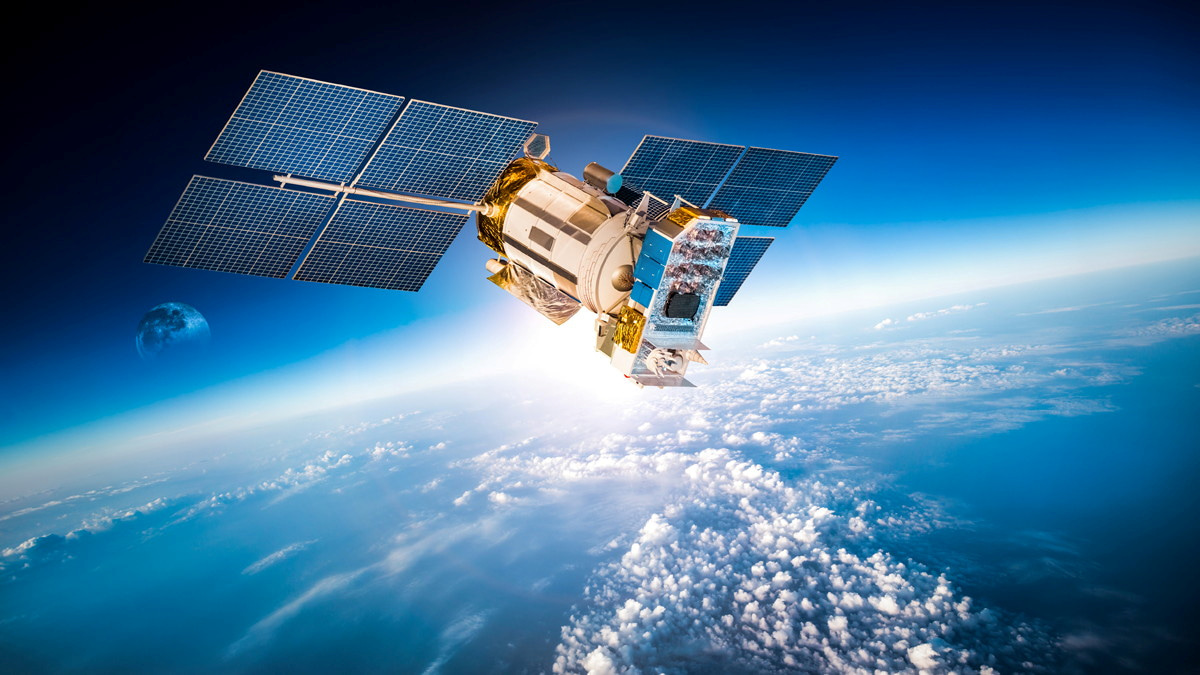
The ability to accurately obtain position, speed, and time is important in a variety of applications including transport, communication, and security. Global Navigation Satellite Systems (GNSS) – such as Global Positioning System (GPS) – are largely used in these applications, although connection to satellites can be vulnerable to disruptions. For these reasons, the development of the next generation of position, navigation, and timing (PNT) systems has widely attracted attention from researchers in the scientific community, driven also by latest advances in a number of technologies including atomic clocks and LiDAR systems.
This Collection Position, navigation, and timing features original research articles on position, navigation, and timing, looking at new technologies for the next generation of such systems.
I’m excited to bring you closer to the field and the people behind the Collection. This is your chance to engage with the editors and ask your burning questions – I’d love to hear your questions and perspectives, whether they’re about the Collection itself or broader topics in the field. Share your questions in the comments below to help you explore the field, delve into the Collection, and even advance your own work.
- Do you have any questions about the Collections?
- Are there specific challenges or trends in this field you’d like the editor to discuss?
- Do you want insights on research methods, innovative approaches, or practical implications?
- Are you curious about future directions and key gaps in this area of research?
- Would you like advice on publishing in this field or building collaborations with peers?
Have a burning question? Looking for guidance or advice? Keen to share your experience? This is your chance to get involved.
Join the discussion: share your questions below by adding a comment or share your perspectives by responding to other Communities’ members.
Please remember the Communities Guidelines as you participate in discussions; insensitive, misleading or offensive contributions will be removed and may result in loss of access to the platform.

I did my PhD at Heriot-Watt University, and postdoc at University of Sussex. My research was in semiconductor detector physics.
Follow the Topic
-
Scientific Reports
An open access journal publishing original research from across all areas of the natural sciences, psychology, medicine and engineering.
-
A Collection of original research articles on position, navigation, and timing, looking at new technologies for the next generation of such systems.

Related Collections
With Collections, you can get published faster and increase your visibility.
Cancer Prevention and Control
Publishing Model: Hybrid
Deadline: Feb 19, 2027
AI in clinical decision-making
Publishing Model: Open Access
Deadline: Nov 28, 2026