Call for papers: Nano and micro-plastics
Published in Chemistry, Earth & Environment, and Sustainability

Explore the Research

 Nature
Nano and micro-plastics
This Collection showcases original research focused on addressing analytical innovations, mechanistic understanding of biological or ecological effects, and…
Collection Overview
Scientific Reports has launched a Guest-Edited Collection on Nano and micro-plastics.
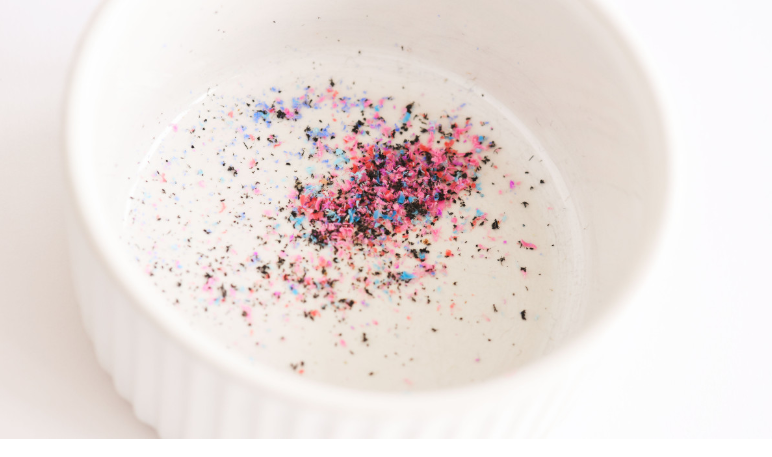
Nano- and micro-plastics represent an urgent and rapidly growing field of research at the intersection of materials science, environmental chemistry, biology, and public health. These small plastic fragments, whether manufactured or derived from the degradation of larger plastics, are increasingly found in ecosystems, food chains, and even human tissues. Their significance lies in both their environmental persistence and their potential toxicological effects, raising pressing questions about exposure, accumulation, and long-term impact. Understanding their sources, properties, interactions, and consequences is critical to assessing risks and developing strategies for mitigation. Recent progress has been enabled by advances in detection and characterization methods, including spectroscopic imaging, nanoparticle tracking, and high-resolution microscopy, which now allow identification of plastics at ever smaller scales.
This will be a Collection of research papers and will be open for submissions from all authors – on the condition that the manuscripts fall within the scope of the Collection and of Scientific Reports more generally. Narrative review articles are also welcomed to our sister journal, Scientific Reviews. We are welcoming submissions until 10th September 2026.
Why are you excited about this Collection?
"Microplastics and nanoplastics are emerging contaminants of global concern, detected in all environmental compartments and in living organisms, including humans. Despite their widespread presence, significant knowledge gaps remain regarding their long-term effects on human health, particularly for infants and developing fetuses, and regarding the impacts of exposure to plastic-associated additives. This Collection is especially exciting because it brings together diverse and innovative approaches for detecting, characterizing, and assessing microplastics across environmental and biological systems. By advancing our understanding of their occurrence, exposure pathways, and potential risks, the Collection can support the development of effective monitoring strategies and mitigation measures. Researchers should consider submitting to this Collection because Scientific Reports provides a trusted, rigorous, and widely accessible platform for disseminating high-quality, peer-reviewed research papers to a broad international audience."- Dr. Sylwia Oleszek
This Collection also supports and amplifies research related to SDG 12 - Responsible Consumption & Production.
Why submit to a Collection?
Collections like this one help promote high-quality science. They are led by Guest Editors, who are experts in their fields, and In-House Editors and are supported by a dedicated team of Commissioning Editors and Managing Editors at Springer Nature. Collection manuscripts typically see higher citations, downloads, and Altmetric scores, and provide a one-stop-shop on a cutting-edge topic of interest.
Who is involved?
Guest Editors:
- Pasquale Avino, University of Molise, Italy
- Naba Mondal, The University of Burdwan, India
- Sylwia Oleszek, Waseda University, Japan
Internal Team:
- In-House Editor: Chenyu Wang, Scientific Reports, USA
- Commissioning Editor: Quintina Dawson, Fully OA Brands, Springer Nature, UK
- Managing Editor: Eleanor Smith, Fully OA Brands, Springer Nature, UK
How can I submit my paper?
Visit the Collection page to find out more about this Collection and how to submit your article.
Follow the Topic
-
Scientific Reports
An open access journal publishing original research from across all areas of the natural sciences, psychology, medicine and engineering.
-
A Collection of original research articles focused on addressing analytical innovations, mechanistic understanding of biological or ecological effects, and the development of sustainable materials or treatment strategies.

Related Collections
With Collections, you can get published faster and increase your visibility.
Cancer Prevention and Control
Publishing Model: Hybrid
Deadline: Feb 19, 2027
AI in clinical decision-making
Publishing Model: Open Access
Deadline: Nov 28, 2026