Call for papers: Occupational lung diseases
Published in Healthcare & Nursing and General & Internal Medicine


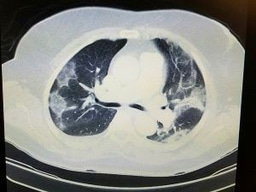
BMC Pulmonary Medicine is calling for submissions to our Collection on Occupational lung diseases, which pose a significant public health and economic challenge worldwide. In Great Britain alone, occupational lung disease leads to an estimated 12,000 deaths and 400,000 lost working days each year. Many of these are serious diseases which can lead to substantial disability or even death, but they are also avoidable through preventive interventions in the workplace.
In support of United Nation’s Sustainable Development Goals (SDGs) 3: Good health and wellbeing and 10: Reduced inequalities, BMC Pulmonary Medicine has launched this new Collection on Occupational lung disease to bring together basic and clinical research to develop our understanding of such conditions and open new avenues for risk stratification and therapeutic intervention.
BMC Pulmonary Medicine is inviting submissions to a collection on this subject. Topics of interest include, but are not limited to, the following:
• Asthma
• COPDs
• pneumoconioses (e.g. asbestosis, silicosis, Coal workers’ pneumoconiosis)
• respiratory cancers
• diffuse pleural thickening and pleural plaques
• allergic alveolitis and byssinosis
Meet the Guest Editors
Renee Carey: Curtin University, Australia
Dr Renee Carey is a Senior Research Fellow in the School of Population Health at Curtin University in Western Australia. After completing a PhD in Psychology, she worked as a project coordinator on a large-scale epidemiological survey investigating current occupational exposure to carcinogens. Renee has since broadened her research focus to examine various aspects of occupational and cancer epidemiology, including the extent of occupational exposures, the (preventable) burden of disease that might result from these exposures in the future, and the effect of interventions to reduce those exposures and prevent disease.
Alice Turner: University of Birmingham, UK
Dr Alice Turner is a Professor of Respiratory Medicine at the University of Birmingham. Alice works within a regional UK occupational lung disease center where her research interests are predominantly in clinical aspects of alpha 1 antitrypsin deficiency (AATD) and chronic obstructive pulmonary disease. Alice has published on occupational risk factors of AATD and supervised doctoral students whose projects examine occupational aspects of lung disease.
Gareth Walters: University of Birmingham, UK
Dr Gareth Walters is a respiratory physician with a specialist interest in work-related airways and interstitial lung diseases. He is clinical lead for the supra-regional NHS Occupational Lung Disease Service at Birmingham Chest Clinic, UK, and an Honorary Senior Clinical Research Fellow at the Institute of Applied Health Research, University of Birmingham where he supervises and carries out research into the causes and impact of these diseases. He is a member of both the Group of Occupational Respiratory Disease Specialists (GORDS) UK and the Industrial Injuries Advisory Council.
Submission guidelines
This Collection welcomes submission of original Research Articles. Should you wish to submit a different article type, please read our submission guidelines to confirm that type is accepted by the journal. Articles for this Collection should be submitted via our submission system, Snapp. During the submission process you will be asked whether you are submitting to a Collection, please select "Occupational lung disease" from the dropdown menu.
Articles will undergo the journal’s standard peer-review process and are subject to all of the journal’s standard policies. Articles will be added to the Collection as they are published.
The Guest Editors have no competing interests with the submissions which they handle through the peer review process. The peer review of any submissions for which the Guest Editors have competing interests is handled by another Editorial Board Member who has no competing interests.
Submission Status: Open | Submission Deadline: 19 February 2024

Follow the Topic
-
BMC Pulmonary Medicine
This journal is an open access, peer-reviewed journal that considers articles on all aspects of the prevention, diagnosis and management of pulmonary and associated disorders, as well as related molecular genetics, pathophysiology, and epidemiology.

Related Collections
With Collections, you can get published faster and increase your visibility.
Technological advancements in diagnosis of pulmonary disease
BMC Pulmonary Medicine is calling for submissions to our Collection on technological advancements in the diagnosis of pulmonary disease.
The landscape of interventional pulmonary medicine is evolving rapidly, propelled by innovative technologies aimed at enhancing the minimally invasive diagnosis and treatment of lung diseases. Advances in medical technology, such as artificial intelligence, machine learning, and novel imaging techniques, are providing clinicians with unprecedented tools for diagnosing cancers and other diseases of the chest and mediastinum as well as chronic obstructive pulmonary disease (COPD) and asthma. This Collection seeks to explore the latest minimally invasive endoscopic diagnostic and therapeutic innovations that are reshaping our understanding of pulmonary diseases, thereby improving patient outcomes and fostering personalized treatment strategies.
Recent advancements, such as the development of novel disease biomarkers and enhanced diagnostic and therapeutic tools, have the potential to revolutionize clinical practices. This could lead to earlier interventions and better outcomes, and by integrating new methods and technologies, healthcare providers can improve early detection, diagnostic accuracy and efficiency, and therapies ultimately leading to better management of lung diseases and improved quality of life for patients.
Potential research topics can include but are not limited to:
- Diagnostic innovations in pulmonary disease
- New technologies in lung disease diagnosis
- Novel disease biomarkers for pulmonary conditions
- Advancements in diagnostic and disease monitoring techniques
- Horizon scanning for future diagnostic tools
All manuscripts submitted to this journal, including those submitted to collections and special issues, are assessed in line with our editorial policies and the journal’s peer review process. Reviewers and editors are required to declare competing interests and can be excluded from the peer review process if a competing interest exists.
This Collection supports research aligned with SDG 3: Good Health and Well-Being and SDG 9: Industry, Innovation and Infrastructure.
Publishing Model: Open Access
Deadline: May 21, 2027
Pediatric pulmonary disease and disorders
BMC Pulmonary Medicine is calling for submissions to our Collection on pediatric pulmonary diseases and disorders. Pediatric pulmonary diseases and disorders encompass a diverse range of conditions affecting the respiratory health of children, including asthma, cystic fibrosis, bronchitis, pulmonary vascular disease, ciliopathies, bronchopulmonary dysplasia, interstitial and diffuse lung diseases of childhood, and pulmonary infections including tuberculosis. These conditions can significantly impact a child's quality of life and overall development, making early diagnosis and effective management critical. The complexities of pediatric pulmonary disorders necessitate a multidisciplinary approach, bringing together pediatricians, pulmonologists, respiratory therapists, and researchers to develop better understanding and treatments.
Advances in the field have led to improved diagnostic techniques, targeted therapies, and a deeper understanding of the pathophysiological mechanisms underlying these conditions. With the rise of personalized medicine and innovative treatment options, the outlook for children suffering from pulmonary disorders continues to improve. Furthermore, research has highlighted the importance of addressing environmental factors, enhancing preventive measures, and fostering family-centered care in managing these conditions effectively.
Future research in pediatric pulmonary disorders may pave the way for groundbreaking treatments, including gene therapy and advanced biologics tailored to the individual needs of pediatric patients. Additionally, as our understanding of the interplay between genetics, environment, and respiratory health grows, we may see the development of novel prevention strategies that can significantly reduce the incidence and impact of these diseases in children.
Potential research topics can include but are not limited to:
- Asthma management in pediatric populations
- Advances in cystic fibrosis therapies
- Understanding bronchopulmonary dysplasia
- Pediatric pneumonia and primary ciliary dyskinesia: trends and treatments
- Pediatric interstitial lung disease
- Tuberculosis in children: challenges and strategies
This Collection supports and amplifies research related to SDG 3: Good Health and Well-being.
All manuscripts submitted to this journal, including those submitted to collections and special issues, are assessed in line with our editorial policies and the journal’s peer review process. Reviewers and editors are required to declare competing interests and can be excluded from the peer review process if a competing interest exists.
Publishing Model: Open Access
Deadline: Jun 09, 2027