Call for papers: Patient-derived organoids and xenografts Collection
Published in Cancer





Collection Overview
Scientific Reports has launched a Guest-Edited Collection on Patient-derived organoids and xenografts.
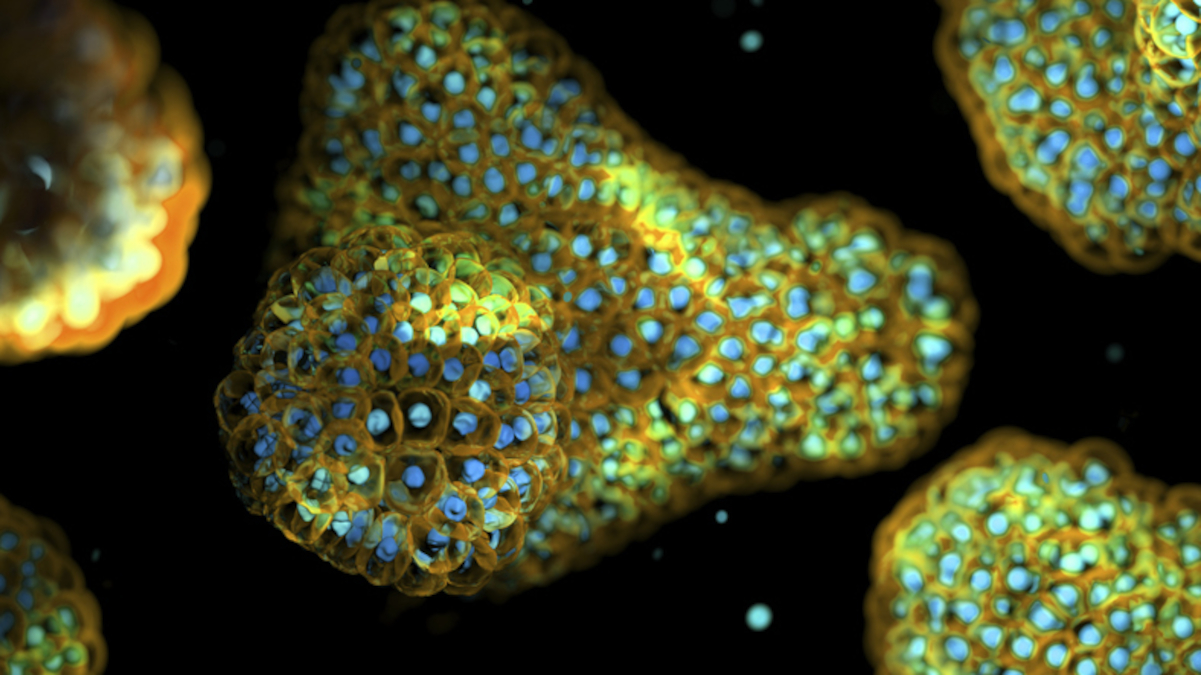
Cancer cell lines are unable to represent many aspects of human disease, even when implanted into animal models. By contrast, patient-derived organoids combine the signalling and heterogeneity inherent to patient tumours while allowing for genetic and chemical manipulation and can even be used to assess treatment response in a specific patient. Patient cells or tissues can also be implanted into animal models, which more closely mimic the patient disease than subcutaneous injection of a cancer cell line. This Collection invites research into patient-derived organoids and xenografts, such as studies creating PDO/PDX libraries and those using PDOs/PDXs to assess cancer biology and treatment. We also encourage submission of studies assessing patient-derived organoid xenografts.
This will be a Collection of original research papers and will be open for submissions from all authors – on the condition that the manuscripts fall within the scope of the Collection and of Scientific Reports more generally. Narrative review articles are also welcomed, to our sister journal Scientific Reviews. We are welcoming submissions until 19th October 2026.
Why is this Collection important?
"Patient-derived organoids are transforming the way we investigate cellular physiology and the biology of disease, with new methods constantly being developed to improve the models used. Organoid culture can be daunting to begin with, which is why a specialised collection focused on organoids and xenografts can be of great value. Disseminating better methods to establish and maintain organoids, generate more complex co-culture models, and improve organoid analysis will all help the scientific community make the most of this precious resource. As an author, this special collection puts your work in close proximity to other related articles, highlighting the progress being made in developing improved models and increasing the data quality that can be generated. "
- Dr. Iman van den Bout, Guest Editor
Why submit to a collection?
Collections like this one help promote high-quality science. They are led by Guest Editors, who are experts in their fields, and In-House Editors and are supported by a dedicated team of Commissioning Editors and Managing Editors at Springer Nature. Collection manuscripts typically see higher citations, downloads, and Altmetric scores and provide a one-stop-shop on a cutting-edge topic of interest.
Who is involved?
Guest Editors:
- Duy Nguyen, Moffitt Cancer Center, United States
- Yohei Shimono, Fujita Health University, Japan
- Iman van den Bout, University of Pretoria, South Africa
Internal Team:
- In-House Editor: Rachel Toth, Scientific Reports, USA
- Commissioning Editor: Jenny Knowles, Fully OA Brands, Springer Nature, UK
- Managing Editor: Aliya Anwar, Fully OA Brands, Springer Nature, UK
How can I submit my paper?
Visit the Collection page for more information on the Collection, and how to submit your article.
Follow the Topic
-
Scientific Reports
An open access journal publishing original research from across all areas of the natural sciences, psychology, medicine and engineering.
-
A Collection of original research articles on patient-derived organoids and xenografts, such as studies creating PDO/PDX libraries and those using PDOs/PDXs to assess cancer biology and treatment.

Related Collections
With Collections, you can get published faster and increase your visibility.
Phytochemicals and health
Publishing Model: Open Access
Deadline: Oct 28, 2026
AI in clinical decision-making
Publishing Model: Open Access
Deadline: Feb 28, 2027