Call for papers: Physiological and biosignals data for stress detection Collection
Published in General & Internal Medicine and Anatomy & Physiology


Collection Overview
Scientific Data has launched a Guest-Edited Collection on Physiological and biosignals data for stress detection.
Computer vision is advancing rapidly as AI tools grow in performance and sophistication, but progress remains limited by the availability of high‑quality training data.
The measurement of human physiological and biosignals has advanced rapidly in recent decades due to improvements in sensing technology, data management, and computational modelling.
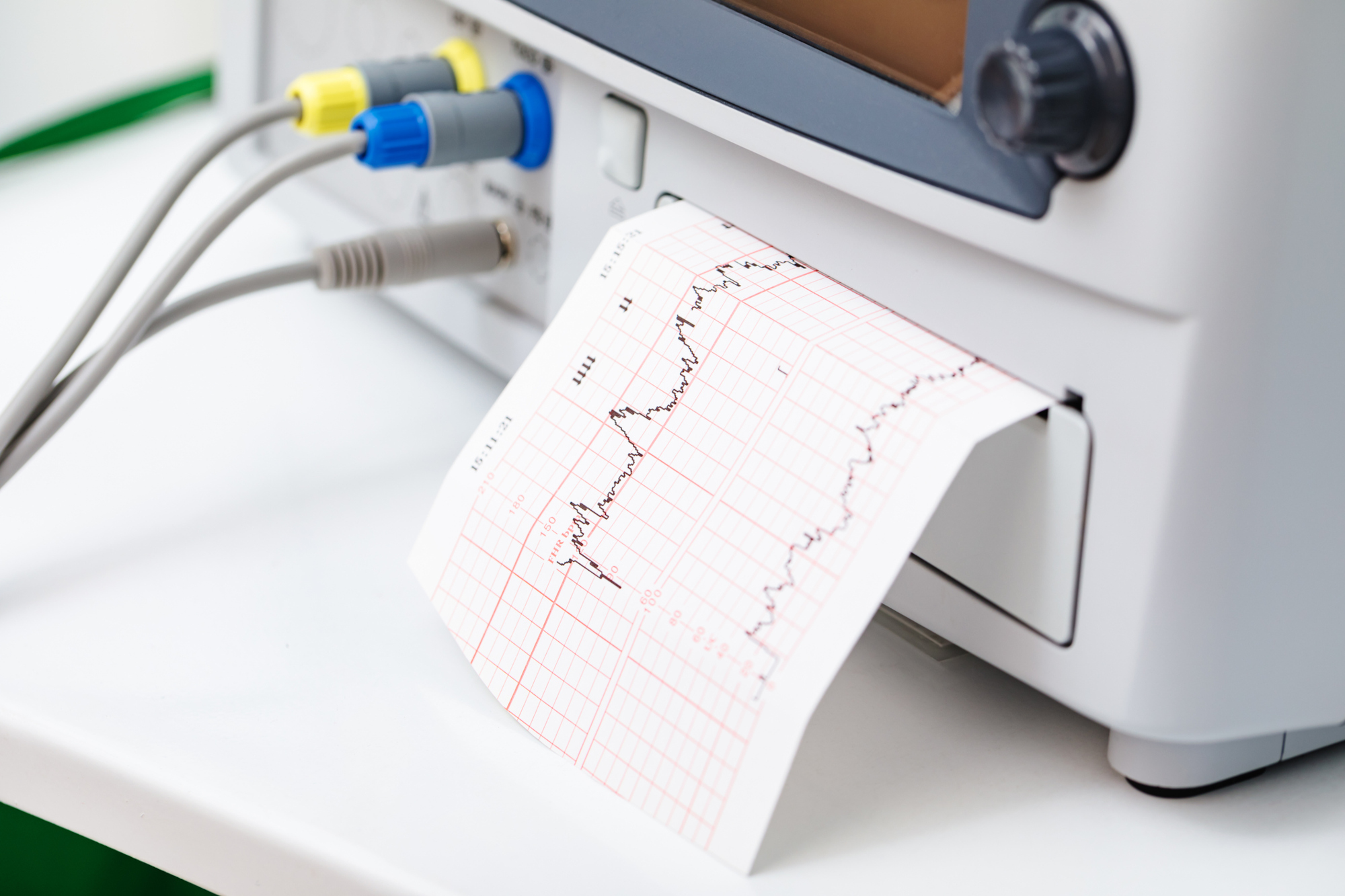
This Collection will focus on high-quality dataset descriptions covering a broad range of physiological signals, including EEG, ECG, EDA, heart-rate monitoring, fetal heart rate and uterine contraction tracings (cardiotocography), fetal cardiac rhythm signals, uterine electromyography (EMG), and other multimodal biosignals. Submissions supported by complementary data sources, such as participant questionnaires, clinical annotations, wearable sensor recordings, and synchronized audio or video data, are also encouraged.
This will be a Collection of data descriptors and will be open for submissions from all authors – on the condition that the manuscripts fall within the scope of the Collection and of Scientific Data more generally. We are welcoming submissions until 17th November 2026.
Why is this Collection important?
"Physiological datasets are essential for biomedical engineering research, as data collection is often expensive and challenging. This dataset is relevant from multiple perspectives, ranging from affective computing to neuropsychology, from signal processing to artificial intelligence, and from cardiology to neurology.
By using this open-access dataset, researchers worldwide can focus on their studies rather than on data collection, thus removing practical and economic barriers that hinder access to certain research fields. Contributing to this Collection aligns with this vision of promoting open science and innovation."
- Dr. Danilo Pani, Guest Editor
Why submit to a collection?
Collections like this one help promote high-quality science. They are led by Guest Editors, who are experts in their fields, and In-House Editors and are supported by a dedicated team of Commissioning Editors and Managing Editors at Springer Nature. Collection manuscripts typically see higher citations, downloads, and Altmetric scores and provide a one-stop-shop on a cutting-edge topic of interest.
Who is involved?
Guest Editors:
- Jieyun Bai, Jinan University, China
- David Cruz-Ortiz, Instituto Politécnico Nacional, Mexico
- Danilo Pani, University of Cagliari, Italy
Internal Team:
- In-House Editor: Elizabeth Miller, Scientific Data, UK
- Commissioning Editor: Sophie Gray, Fully OA Brands, Springer Nature, UK
- Managing Editor: Eleanor Smith, Fully OA Brands, Springer Nature, UK
How can I submit my paper?
Visit the Collection page for more information on the Collection, and how to submit your article.
Follow the Topic
-
Scientific Data
A peer-reviewed, open-access journal for descriptions of datasets, and research that advances the sharing and reuse of scientific data.

Related Collections
With Collections, you can get published faster and increase your visibility.
10 years of the FAIR principles
Publishing Model: Open Access
Deadline: Nov 14, 2026
Data to support cancer treatment, diagnosis, and disease understanding
Publishing Model: Open Access
Deadline: Jan 02, 2027