Call for papers: Post-translational modification-derived mechanisms in neurodegeneration Collection
Published in Sustainability and Cell & Molecular Biology


Collection Overview
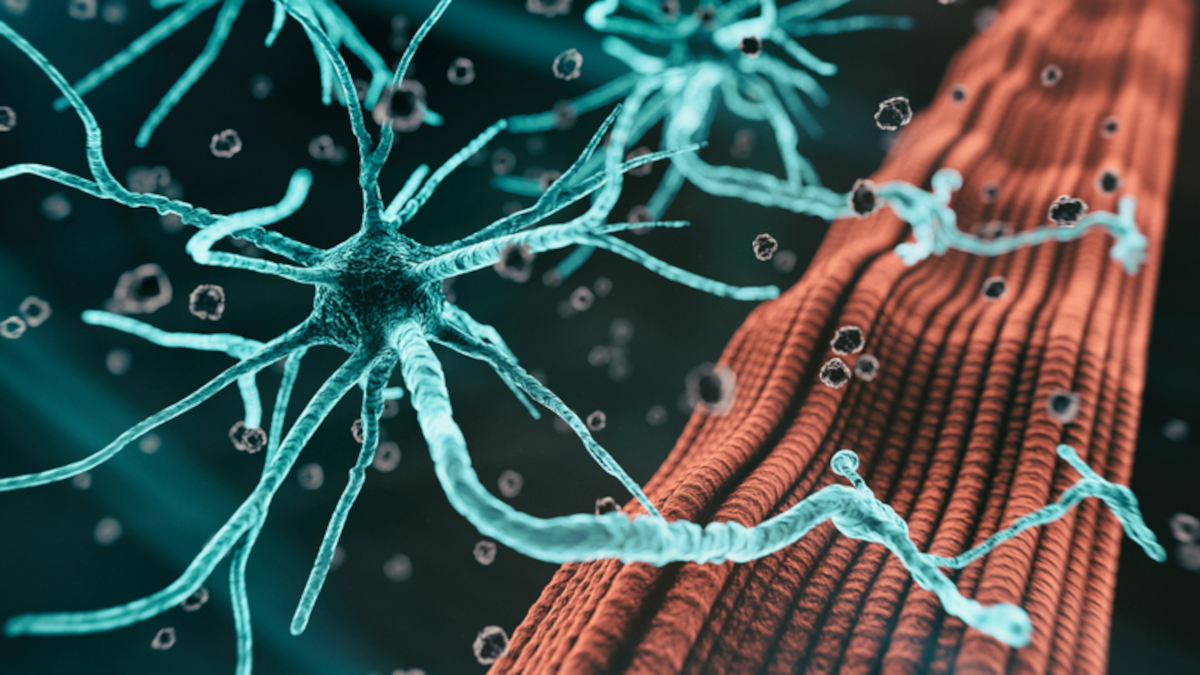
Scientific Reports has launched a Guest-Edited Collection on Post-translational modification-derived mechanisms in neurodegeneration.
Post‑translational modifications (PTMs) are critical for regulating protein structure and function. In many neurodegenerative diseases, the PTM process becomes dysregulated, resulting in abnormal protein folding and aggregation.
This Collection amplifies and supports research related to SDG 3 - Good health and Wellbeing.
This will be a Collection of original research papers and will be open for submissions from all authors – on the condition that the manuscripts fall within the scope of the Collection and of Scientific Reports more generally. Narrative review articles are also welcomed, to our sister journal Scientific Reviews. We are welcoming submissions until 17th December 2026.
Why is this Collection important?
"I feel the topic is extremely important in the field of neurodegenerative disorders, as these are multifactorial in nature. The post-translational modification by palmitoylation, acetylation, phosphorylation or dephosphorylation of a number of ionotropic receptors plays a vital role in three major neurological triads, like Alzheimer's disease (AD), Parkinson's disease (PD), and Huntington's disease (HD). Given the plethora of unknown causes for neuronal atrophy observed in these conditions, ionotropic receptors can act as nodal regulators within the larger pathogenic networks. Deciphering therapeutic interventions by targeting these receptor PTMs may hold a promising scope in the field of neurodegeneration."
- Dr. Pragya Komal, Guest Editor
Why submit to a collection?
Collections like this one help promote high-quality science. They are led by Guest Editors, who are experts in their fields, and In-House Editors and are supported by a dedicated team of Commissioning Editors and Managing Editors at Springer Nature. Collection manuscripts typically see higher citations, downloads, and Altmetric scores and provide a one-stop-shop on a cutting-edge topic of interest.
Who is involved?
Guest Editors:
- Chihiro Akazawa, Juntendo University, Japan
- Shahnawaz Ali Bhat, Aligarh Muslim University, India
- Sumeet Gupta, Maharishi Markandeshwar University, India
- Pragya Komal, Birla Institute of Technology and Science, India
Internal Team:
- In-House Editor: Mrigyanka Chakravarty, Scientific Reports, India
- Commissioning Editor: Jenny Knowles, Fully OA Brands, Springer Nature, UK
- Managing Editor: Ioanna Pitsidianaki, Fully OA Brands, Springer Nature, UK
How can I submit my paper?
Visit the Collection page for more information on the Collection, and how to submit your article.
Follow the Topic
-
Scientific Reports
An open access journal publishing original research from across all areas of the natural sciences, psychology, medicine and engineering.
-
A Collection of original research articles describing clinical, translational and basic studies on PTM-derived mechanisms in the context of neurodegenerative disorders.

Related Collections
With Collections, you can get published faster and increase your visibility.
Cancer Prevention and Control
Publishing Model: Hybrid
Deadline: Feb 19, 2027
Healthy Aging
Publishing Model: Open Access
Deadline: Dec 31, 2026