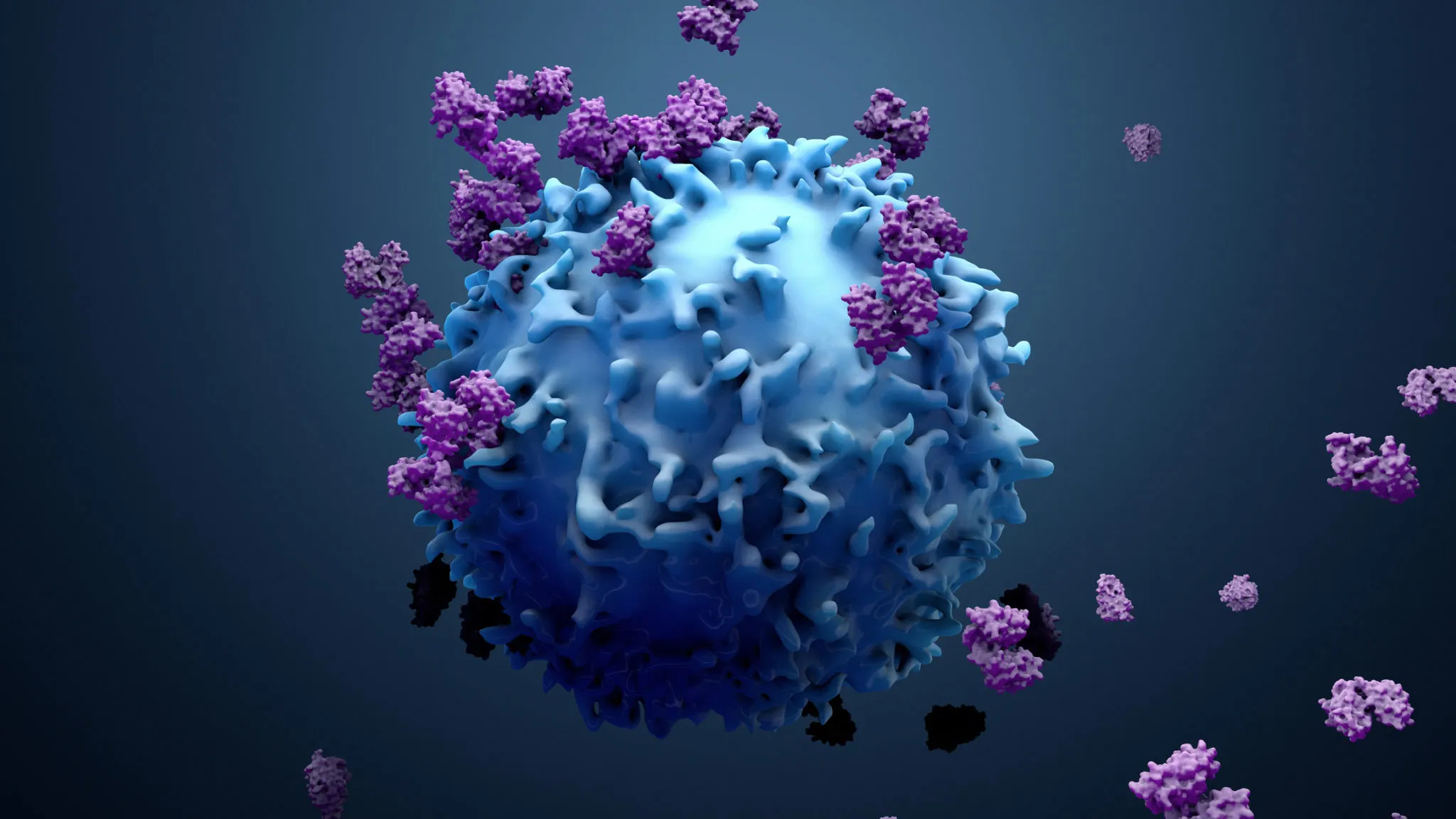
Over the past decade, CAR T-cell therapy has captured the imagination of the biotech world. The idea of reprogramming a patient’s own immune system to precisely target and destroy cancer cells is revolutionary. It has delivered life-saving remissions in patients with hematologic malignancies, reshaped the landscape of oncology, and driven a surge of high-profile acquisitions, partnerships, and investments.
Yet beneath the headlines and flashy deals lies a deeper truth: no matter how sophisticated the engineering becomes, success depends on the solidity of the underlying biology. Without addressing the fundamental blind spots, even the most advanced CAR T technologies risk overpromise and underdelivery.
The Fundamentals: Where CAR T Succeeds, and Where It Struggles
CAR T-cell therapy is built on three core pillars:
- Target Recognition — Engineering T cells to attack specific tumor antigens.
- T-cell Fitness and Persistence — Ensuring the engineered cells survive, expand, and retain function.
- Safety and Control — Mitigating cytokine release syndrome (CRS), neurotoxicity (ICANS), and off-target effects.
In hematologic cancers, these pillars are strong enough to achieve durable remissions. CAR T therapies targeting CD19 in B-cell malignancies or BCMA in multiple myeloma demonstrate striking clinical efficacy. Recent studies even show promising results for earlier-line use, with three-year follow-ups confirming durable outcomes.
But outside these narrow indications, the pillars start to wobble:
- Solid Tumors Remain Resistant — Antigen heterogeneity, immune-suppressive tumor microenvironments (TME), and poor trafficking limit efficacy.
- Durability of Response is Limited — Antigen escape and T-cell exhaustion remain key causes of relapse.
- Safety Risks Persist — CRS, ICANS, and rare secondary malignancies continue to be a challenge.
- Manufacturing Bottlenecks and Cost — Autologous products are slow, expensive, and variable; allogeneic solutions promise scalability but introduce new hurdles like host rejection and limited persistence.
The Blind Spots: What the Industry Often Overlooks
Despite these challenges, investment continues to pour into next-generation CAR T innovations: dual-antigen targeting, logic-gated CARs, armored CARs, allogeneic platforms, and in vivo CAR T generation.
These are impressive technical feats, but they often treat the symptoms rather than the cause:
- In vivo platforms collapse logistical barriers but do not inherently solve tumor heterogeneity, antigen escape, or persistence.
- Dual-target and logic-gated CARs improve specificity but still depend on at least one tumor-restricted antigen.
- Armored CARs release cytokines to modify the TME, yet systemic safety and durable efficacy remain unproven in humans.
- Innovation is racing ahead, yet the foundational issues remain unresolved, a scenario akin to building a skyscraper on uneven ground.
The Core Issues That Must Be Addressed
The next wave of CAR T progress depends on confronting fundamental biological and translational questions head-on:
1. Antigen Discovery and Precision Targeting
- Solid tumors require tumor-specific, low-plasticity antigens.
- Multi-omics, single-cell analyses, and spatial profiling are essential to anticipate escape mechanisms.
2. T-cell Fitness, Exhaustion, and Persistence
- Ex vivo expansion and chronic stimulation can erode stemness.
- Assays must go beyond cytotoxicity to evaluate metabolic fitness, serial-killing capacity, and clinical correlation.
3. Tumor Microenvironment (TME) Navigation
- Hypoxia, immunosuppressive cytokines, and myeloid suppressors must be considered in CAR T design.
- Innovations like synNotch logic circuits or localized cytokine modulation are promising, but only if grounded in detailed TME mapping.
4. Safety Architecture
- Dual-layer kill switches, titration mechanisms, and integration-site profiling must be standard, not optional.
- Boxed warnings from the FDA highlight the stakes for intrinsic control.
5. Manufacturing and Access
- Closed, automated manufacturing with potency-informed release analytics is essential.
- Allogeneic products require durable immune evasion strategies; in vivo platforms need rigorous vector tropism and safety mapping.
Building on Solid Foundations: A Philosophy of Disruption
At the heart of these blind spots lies a deeper insight: technological sophistication is not a substitute for foundational understanding.
Even the most advanced CAR T approaches (off-the-shelf allogeneic, logic-gated, armored, or in vivo) cannot overcome biology that is poorly understood or inadequately mapped.
A truly disruptive approach requires:
- Comprehensive, granular data analysis across genomics, transcriptomics, proteomics, and single-cell modalities.
- R&D methodologies that uncover the unseen — resistance mechanisms, microenvironmental suppressors, and subtle patterns invisible to conventional pipelines.
- Integration of insights into therapy design, so engineering advances are built on biology that is fully understood and clinically validated, not assumed.
This philosophy emphasizes precision, depth, and insight over incremental engineering. The goal is to create therapies that are durable, scalable, safe, and truly transformative, rather than dazzling but fragile.
The Path Forward
The excitement around CAR T-cell therapy is justified. Patients who once had no options are alive today because of it.
But the next chapter depends on whether the field can:
- Prioritize unseen biology over incremental novelty.
- Integrate comprehensive, multi-dimensional data to inform all design decisions.
- Build solutions on robust foundations, ensuring innovations like in vivo CAR T or armored CARs deliver real, sustainable impact.
CAR T-cell therapy’s promise will only be realized when the field combines cutting-edge engineering with a disciplined, biology-first approach. The foundation must be solid; only then can the skyscraper of innovation truly stand.




Please sign in or register for FREE
If you are a registered user on Research Communities by Springer Nature, please sign in