Exploring AI, Digital English, and EFL Pedagogy: Reflections from My Recent Research
Published in Education and Arts & Humanities
I am pleased to share my first post in the Springer Nature Research Community.
My recent research interests focus on the intersections of artificial intelligence, English language learning, digital communication, corpus pragmatics, and EFL pedagogy. In particular, I am interested in how emerging technologies and multimodal forms of communication are reshaping the ways learners, teachers, and researchers understand English in contemporary educational contexts.
I have recently submitted two papers to Springer Nature.
The first paper, “The Impact of Artificial Intelligence on English Language Learning: A Mixed-Methods Study at Al Baha University,” has been published as a conference chapter. This study examines how artificial intelligence tools influence English language learning, drawing on both quantitative and qualitative data. It reflects on learners’ and educators’ experiences with AI-supported learning and considers the opportunities and challenges that AI presents in higher education.
The second paper, “Digital English as Pragmatic Repertoire: A Corpus Pragmatic Study of Multimodal Change and EFL Pedagogy,” is currently under review, with a publicly available preprint version. This research explores how digital English functions as a pragmatic repertoire shaped by multimodal communication. It also considers how these changes may inform EFL teaching and learning practices.
Together, these studies reflect my broader interest in understanding English language learning in a rapidly changing digital environment. They also raise important questions about how educators can respond to technological change, how learners engage with AI and digital discourse, and how English language pedagogy can adapt to new communicative practices.
Through this community, I hope to connect with researchers, educators, and practitioners who are working on similar topics, including AI in education, applied linguistics, corpus pragmatics, digital communication, and EFL pedagogy.
I welcome comments, feedback, and opportunities for academic discussion and collaboration.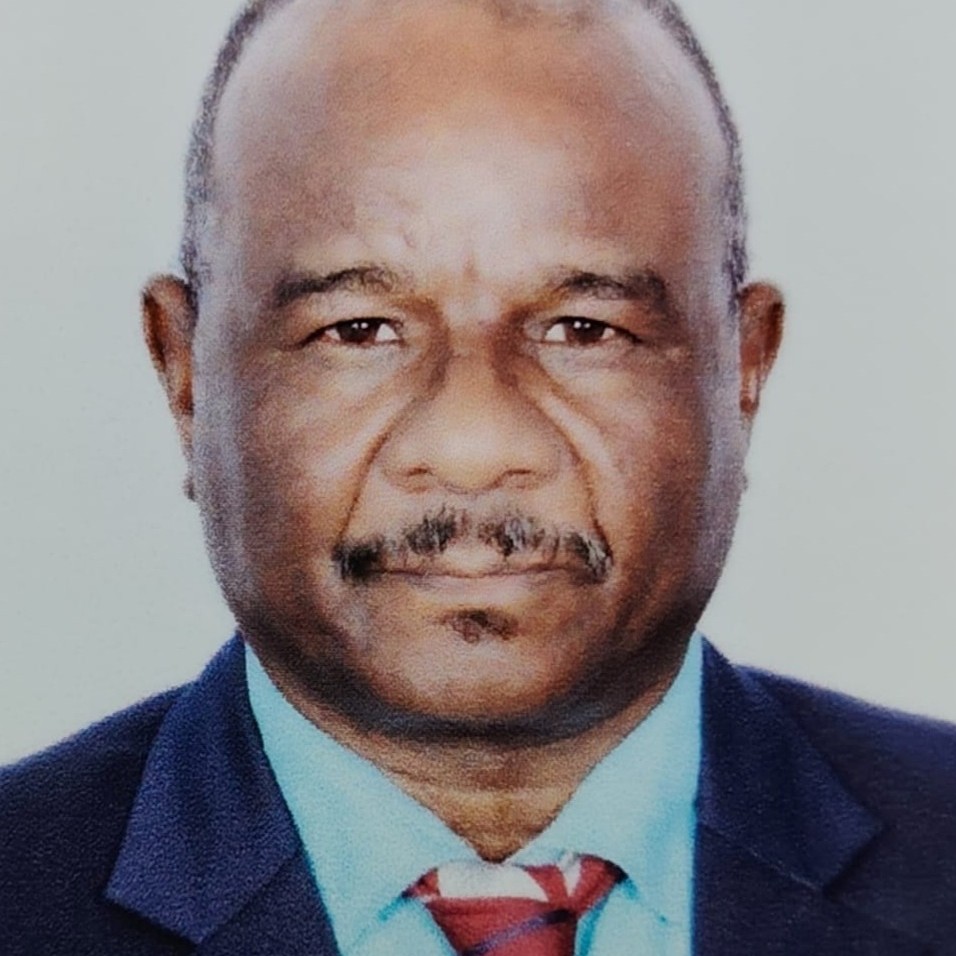
Dr. Abdelaziz Mohammed is an Assistant Professor of Applied Linguistics in the Department of Foreign Languages at the Faculty of Arts & Humanities, Al-Baha University, Saudi Arabia. He holds a Ph.D. in Applied Linguistics from Gezira University, Sudan.
Before his current appointment, Dr. Mohammed held academic positions at King Saud University, Shaqra University, and Yobe State University, Damaturu, Nigeria.
Dr. Mohammed has a notable publication record, with over 10 peer-reviewed manuscripts to his credit, listed in reputable academic databases. Additionally, he serves as an editorial board member and reviewer for several esteemed journals in the field of English language studies, further demonstrating his expertise and commitment to scholarly excellence.
Please sign in or register for FREE
If you are a registered user on Research Communities by Springer Nature, please sign in