Exploring sensitivity and initiative in a mother-baby dyad with Video Intervention Therapy (VIT): a case study in a high-risk population
Published in Behavioural Sciences & Psychology

Movement, Mind & Meaning is a professional and research group that has been meeting for the past three years to explore transformative paradigms in psychotherapy and psychological interventions. Our work is grounded in intersubjective approaches informed by:
-
Developmental and evolutionary psychology/neuroscience (Daniel Stern, Colwyn Trevarthen, Adolfo Perinat, Michael Tomasello, Ruth Feldman),
-
Interpersonal neurobiology (Dan Siegel, Allan Schore, Jaak Panksepp), and
-
Attachment theory (John Bowlby, Mary Ainsworth, Allan Sroufe, Peter Fonagy, Jeremy Holmes, Mario Marrone, Arturo Ezquerro).
The group includes interdisciplinary experts such as Argentinian psychiatrist Dr. Eliana Montuori, Mexican-French psychotherapist Christian Herreman, Spanish psychologist Dr. María Julia Sánchez, and myself, Marc Pérez Burriel.
Two core concepts guiding our understanding of psychotherapeutic change are:
-
Agency (loosely defined as an individual’s capacity to act within a given environment), and
-
Intentionality (the ability to act deliberately, guided by goal-directed mental representations).
These dimensions are viewed as two sides of the same coin, shaping therapeutic processes.
Pilot Study: Maternal Vulnerability and Interaction Analysis
This pilot study examines a case of a highly vulnerable mother through:
-
Video Intervention Therapy (VIT; Dr. George Downing) to analyze and enhance interactive patterns, and
-
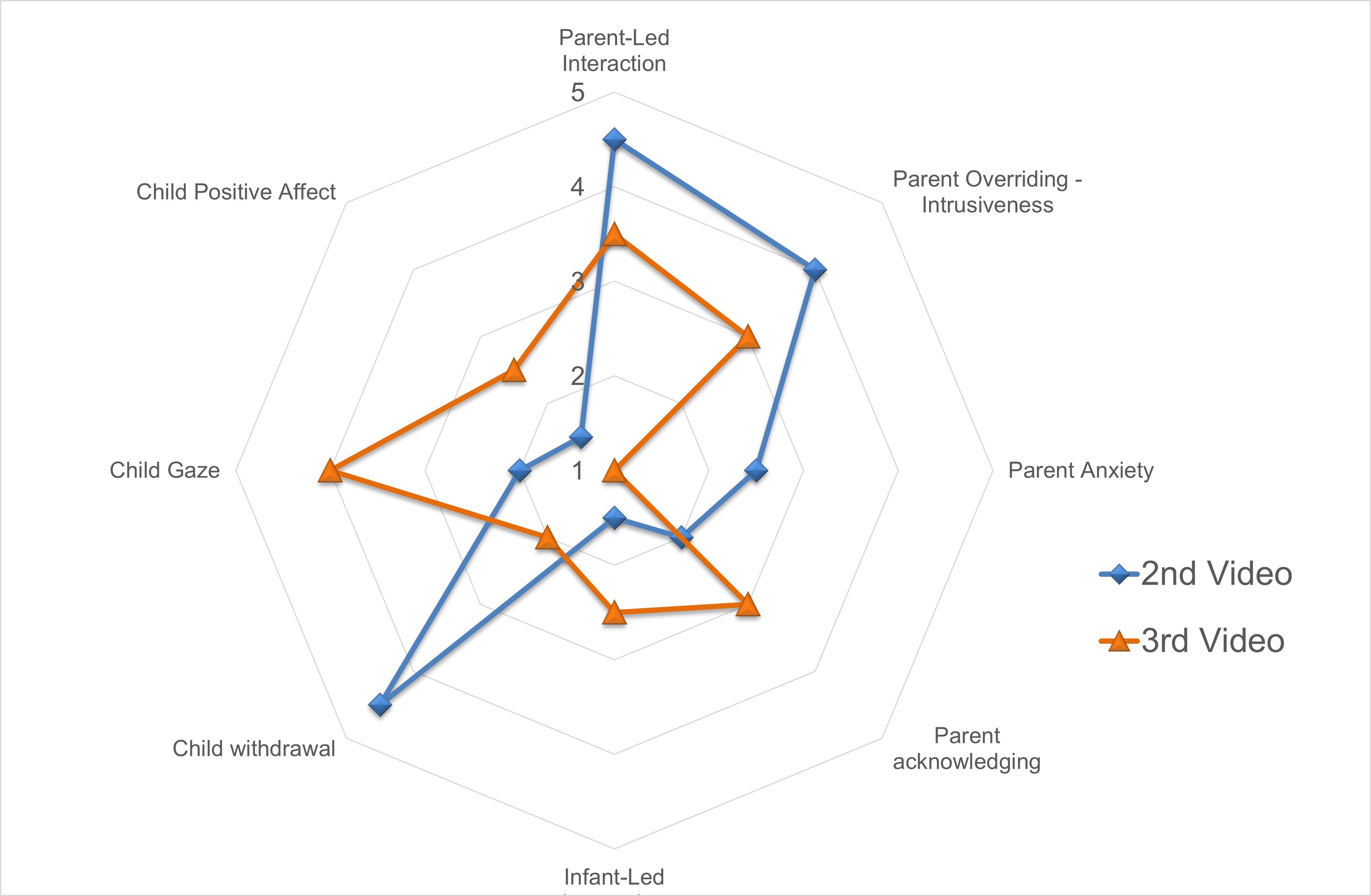
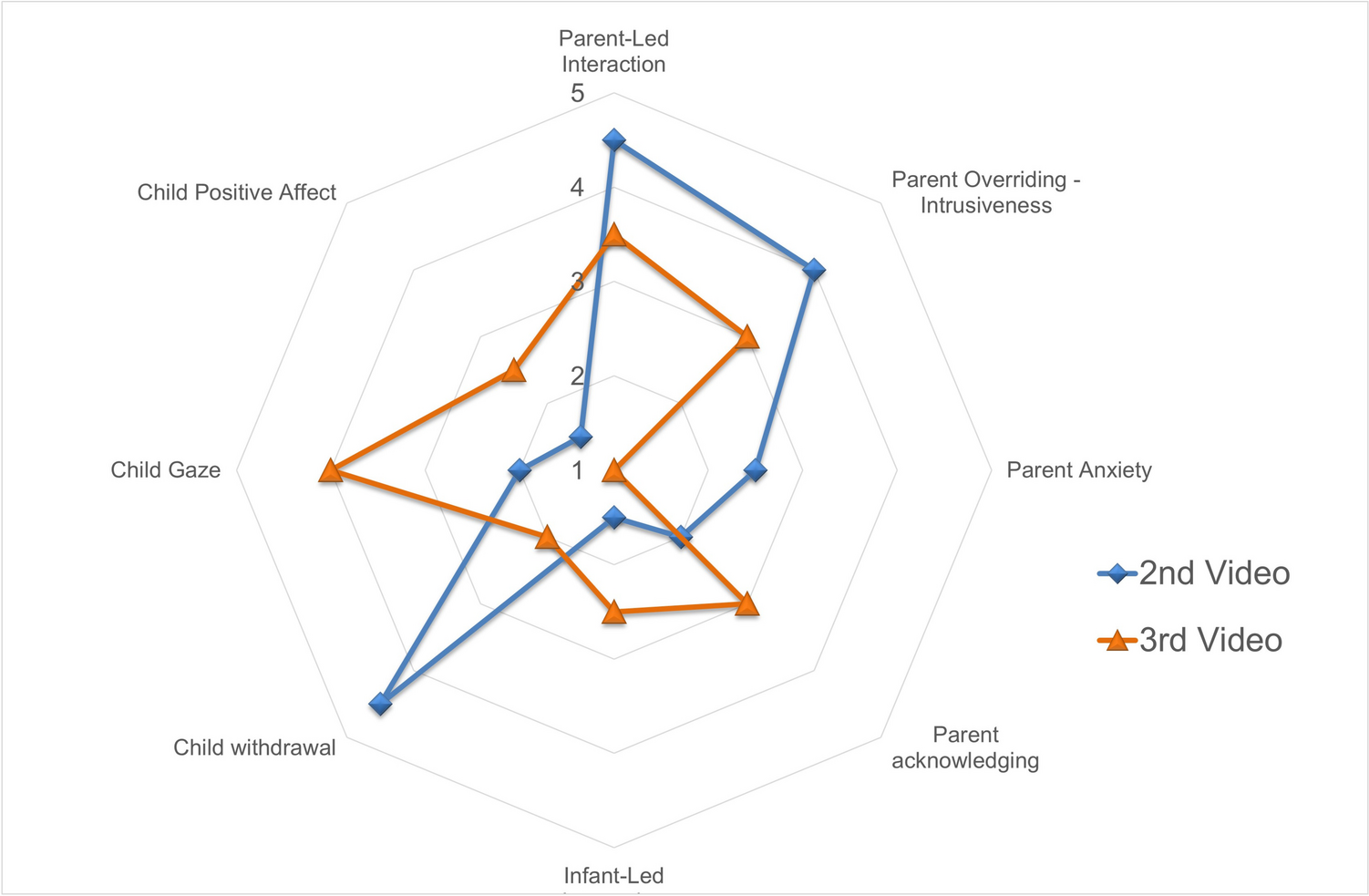
Coding Interactive Behavior (CIB; Dr. Ruth Feldman) for systematic behavioral assessment.
Preliminary findings highlight the importance of agency and intentionality as focal points for observation and intervention. The study also explores the feasibility of further research on:
-
Psychotherapeutic support for immigrant/forcibly displaced mothers experiencing trauma, mental health struggles, and disrupted social/family networks.
-
The role of relational interventions in mitigating psychological distress in marginalized populations.

Follow the Topic
-
Current Psychology
This is a journal for dissemination of peer-reviewed research on diverse psychological issues.

Related Collections
With Collections, you can get published faster and increase your visibility.
Personality, Identity, and the Self in Digital Environments: Expression, Amplification, and Inference
Guest Editor
Dr Marco Giancola
Department of Biotechnological and Clinical Sciences
University of L’Aquila, L’Aquila, Italy
This Collection introduces a new lens for understanding personality, identity, and the self in digital environments through three main interdependent processes: Expression, Amplification, and Inference (EAI).
- Expression (E) - Individuals express personality, identity, and the self through digital behaviours, including self-presentation (e.g., profiles, avatars), communication styles, and patterns of interaction. These expressions reflect both stable dispositions and context-dependent adaptations.
- Amplification (A) - Digital environments amplify personality, identity, and the self through platform affordances (e.g., anonymity, visibility, feedback mechanisms), algorithmic reinforcement (e.g., recommendation systems), and social dynamics (e.g., virality, echo chambers), intensifying both adaptive and maladaptive traits.
- Inference and Feedback (I) - Digital interactions generate rich behavioural traces, such as clicks, linguistic patterns, usage logs, and interaction networks, which can be used by computational systems, including machine learning and natural language processing, to infer, model, and predict personality, identity, and self-related processes. These inferred profiles may then be used to personalise digital environments, creating recursive feedback loops that shape future behaviours, identity expression, and self-perception.
Topics
To ensure conceptual coherence while maintaining breadth, this Collection welcomes contributions addressing the following three core domains.
- Expression (E). Studies examining how individuals present, negotiate, and adapt their personality, identity, and self in digital contexts through self-presentation, communication styles, and avatar-based or AI-mediated interactions.
- Amplification (A). Research exploring how digital environments intensify adaptive (e.g., prosocial behaviour and creativity) and maladaptive (e.g., cyber-aggression, manipulation, and problematic technology use) manifestations of personality, identity, and the self.
- Inference and Feedback (I). Contributions investigating how digital behavioural traces, including clicks, linguistic patterns, usage logs, interaction networks, profiles, and avatars, can be used to assess, infer, model, and predict personality, identity, and the self, as well as how algorithmic systems personalise digital environments and shape future behaviour, identity expression, and self-perception.
Manuscript types
The Special Issue welcomes:
- Original articles, including quantitative (e.g., cross-sectional, longitudinal, experimental, and digital trace data analyses) and qualitative research (e.g., interviews, digital ethnography, and thematic analyses of online behaviours)
- Systematic reviews and meta-analyses
- Theoretical and conceptual papers
- Methodological papers
Interdisciplinary contributions are strongly encouraged.
Keywords
- Personality
- Identity
- Self
- Self-concept
- Big Five/HEXACO
- Dark Triad/Dark Tetrad
- Digital Personality
- Digital Identity
- Digital Self
- Social Media
- Online Behaviours
- Behavioural Traces
- Digital Phenotyping
- Algorithmic Personality Inference
- Psycho-informatics
- Machine Learning
- Computational Psychology
- Human-AI Interaction
- Problematic Technology Use
- Cyberpsychology
Publishing Model: Hybrid
Deadline: Jun 30, 2027
Alexithymia: Present Trends and Future Insights into the Construct
Guest Editors
Paweł Larionow, Ph.D., University College of Professional Education, Poland, larionow.research@gmail.com
Kristy Nielson, Ph.D., Marquette University, USA, kristy.nielson@marquette.edu
Olivier Luminet, Ph.D., UCLouvain, Belgium, olivier.luminet@uclouvain.be
Overview
Alexithymia is a personality trait characterised by a multi-component constellation of interrelated cognitive-affective features, mainly involving difficulty identifying one’s feelings, difficulty describing feelings, and an externally oriented thinking style. In the more than fifty years since the origination of the alexithymia construct, it continues to attract more researchers and clinicians in psychiatry, cognitive psychology, neuroscience, and other arenas of experimental and emotion sciences.
Across arenas, various theoretical models or frameworks and extensive empirical findings have been advanced that have shaped multiple different conceptualisations of alexithymia. These conceptualisations share some perspectives, but also have important differences that are not yet fully recognised or evaluated in research or practice. This includes fundamental ongoing theoretical debates about the structure of the alexithymia construct itself, and the etiology and precise characterizations of its components in understanding the expression of alexithymia and its influences and consequences. Yet, there is little existing literature that directly compares and evaluates different alexithymia conceptualisations together against empirical findings.
Alexithymia can be considered a transdiagnostic risk factor for a wide range of psychopathologies (e.g., anxiety and depressive disorders) and somatic illnesses; therefore, alexithymia assessments are clinically important. Given relevant differences in the theoretical frameworks, it is not clear how various models with their respective measures perform under the same conditions, such as in predicting emotional, cognitive, and somatic outcomes.
The Goal and Scope
The primary goal of this Collection is to focus on conceptualisations of the alexithymia construct, their similarities and differences, and comparative performance in a wide range of conditions, including non-clinical and clinical settings. We kindly invite potential authors who can elucidate these issues by providing theoretical examination or empirical evidence.
The Topics
The topics covered in this Collection may include but are not limited to:
(1) Conceptualisation and elucidation of the alexithymia construct (e.g., empirical examinations and reviews of the components and foundations of the construct) as well as new, empirically grounded theoretical frameworks;
(2) Comparative performance analyses of competing frameworks in non-clinical and clinical samples and/or in emotive and non-emotive contexts;
(3) Highlights on the importance of multi-measure, multi-method approach in alexithymia research and assessment;
(4) Measurement considerations of major alexithymia tools, including critical analysis of existing literature, when theory or conceptualization of the alexithymia construct is a central focus.
Article Types
Reviews and original research papers, as well as comprehensive comments and perspectives in response to reviews and original research papers are welcome. Manuscripts will undergo standard peer review processes according to the journal’s requirements; therefore, they should be carefully prepared and scientifically rigorous.
Before submitting the paper, please send its title and abstract to the guest editors to check whether the paper is in line with the scope. Further information and inquiries can be directed to any of the guest editors.
Publishing Model: Hybrid
Deadline: Jun 30, 2027
