Exploring the Hidden Diversity of Cyanobacterial Oligopeptides
Published in Microbiology

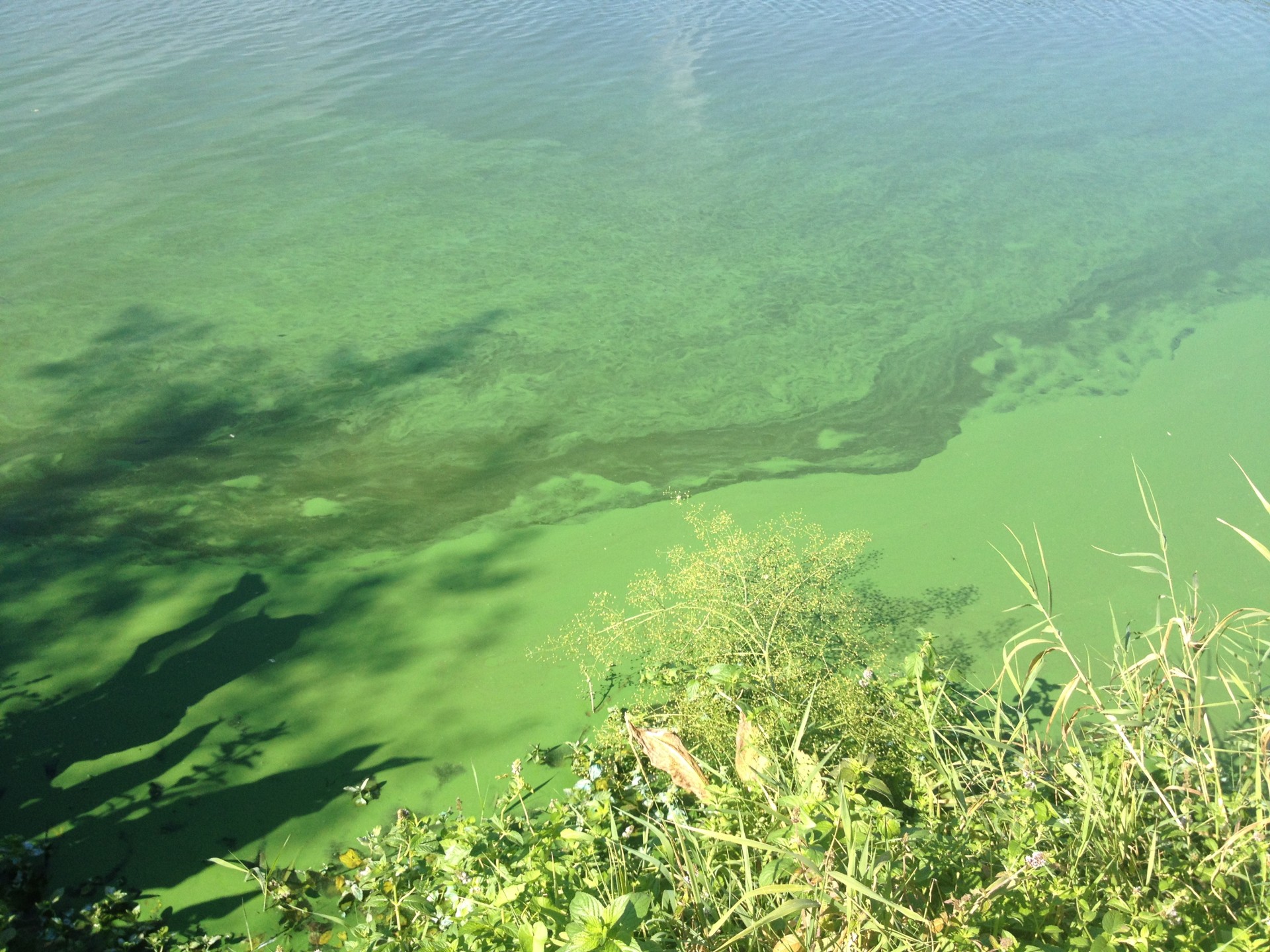
When cyanobacterial blooms appear in lakes and ponds, they rarely receive positive attention. Most discussions focus on their potential to degrade water quality, disrupt aquatic ecosystems, or produce harmful toxins. While these concerns are important, they can sometimes overshadow a more fundamental reality: cyanobacterial blooms are highly dynamic biological communities with remarkably diverse metabolisms.
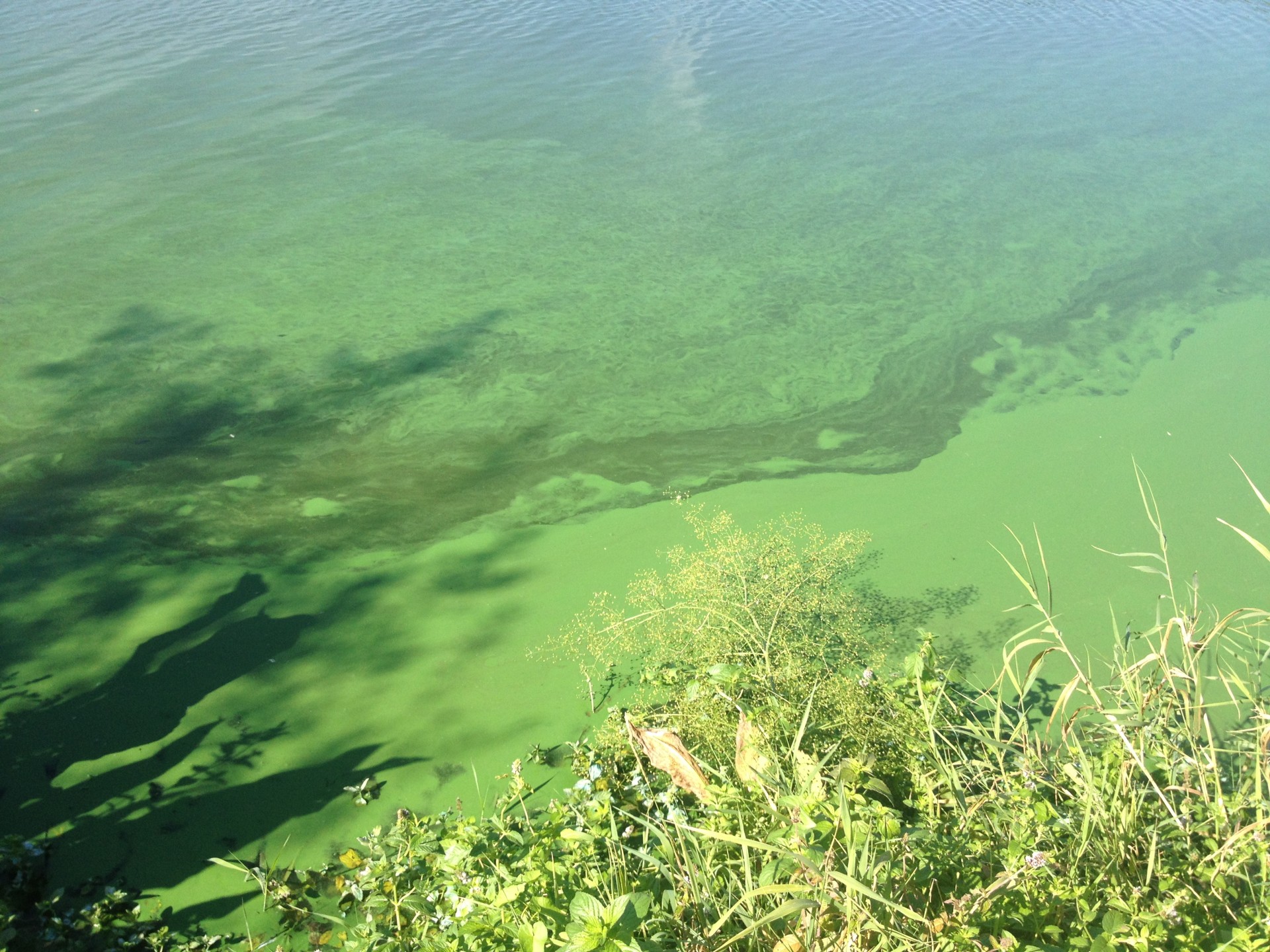
Photo: INC PAS archive
More Than Just Microcystins
Cyanobacteria produce a wide range of bioactive compounds. Among the best known are microcystins, which have been studied extensively because of their potential effects on human and ecosystem health. However, microcystins represent only one group within a much larger and more chemically diverse family of cyanobacterial metabolites.
In recent years, increasing numbers of oligopeptides have been identified from both laboratory cultures and environmental samples. These compounds differ greatly in their chemical structures and biological activities, and some have even attracted attention for potential pharmaceutical applications. Despite growing interest in these metabolites, relatively little is known about how their production changes through time in natural freshwater ecosystems.
Distinct Chemical Signatures
Across all samples, we recorded more than one thousand occurrences of oligopeptides and identified 139 distinct structural variants belonging to seven peptide groups. Even more remarkably, only 36 of these compounds corresponded to previously described structures reported in the literature, suggesting that many detected variants may represent previously unreported oligopeptides.
The studied water bodies exhibited clear differences in their metabolite profiles. Some peptide groups, particularly microginins, anabaenopeptins and aeruginosins, occurred frequently across sites and years. However, their relative abundance varied substantially between locations.
Statistical analyses confirmed that metabolite composition differed significantly not only among water bodies but also between years and meteorological seasons. These findings suggest that cyanobacterial peptide production is highly dynamic and responds to both environmental conditions and biological community structure.
Interestingly, cyanobacterial richness did not always correspond directly to metabolite diversity. Water bodies with more cyanobacterial taxa did not necessarily exhibit a richer oligopeptide profile, highlighting the complexity of the relationship between community composition and metabolite production.
A Different Story for Microcystins
Analysis showed that total microcystin concentration was strongly associated with temperature and cyanobacterial biomass. What makes these results particularly interesting is that the patterns observed for microcystins did not fully mirror those observed for the broader oligopeptide community. While overall oligopeptide diversity and occurrence generally remained high throughout the study period, microcystin concentrations followed a different trajectory and declined in the final year of monitoring.
This apparent decoupling suggests that changes in the overall metabolite profile are not necessarily reflected in microcystin concentration alone. Different cyanobacterial species, strains, or environmental conditions may favour the production of different classes of metabolites, leading to shifts in bloom chemistry that are not captured by focusing solely on a single compound group.
Why Does It Matter?
These findings highlight the importance of looking beyond microcystins when studying cyanobacterial blooms. Although microcystins remain highly relevant from a monitoring perspective, they represent only one component of a much broader chemical landscape.
The diversity of oligopeptides observed in these water bodies suggests that cyanobacterial communities possess a far greater metabolic complexity than is often appreciated. Understanding how these metabolites vary across seasons and ecosystems may help us better understand bloom ecology, species interactions and the responses of cyanobacterial communities to environmental change.
As climate change continues to favour cyanobacterial blooms in freshwater ecosystems worldwide, uncovering the ecological significance of these lesser-known metabolites will become increasingly important for both research and management.
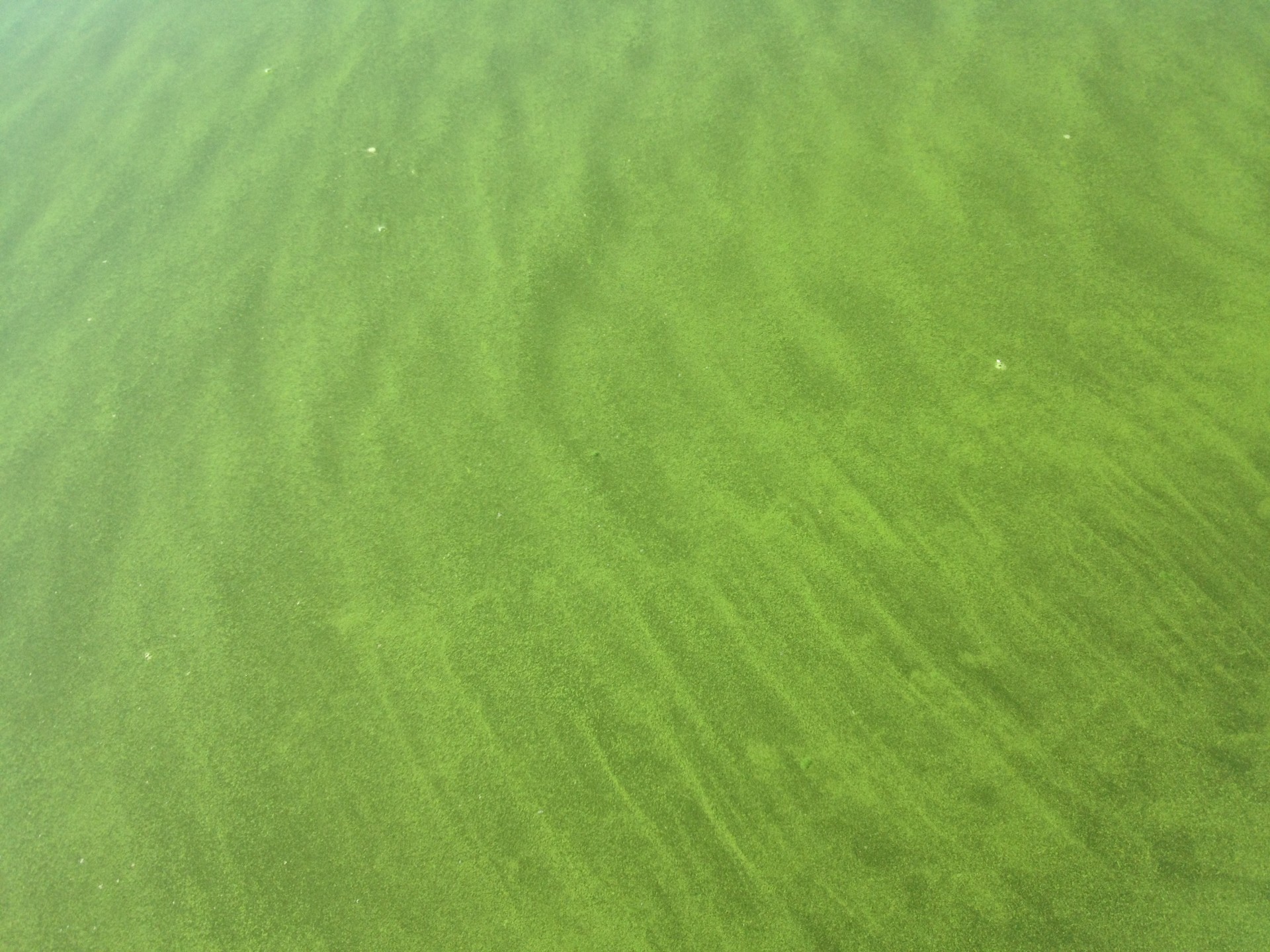
Photo: INC PAS archive