Facile synthesis of zinc oxide nanoparticles for skin care applications
Published in Biomedical Research
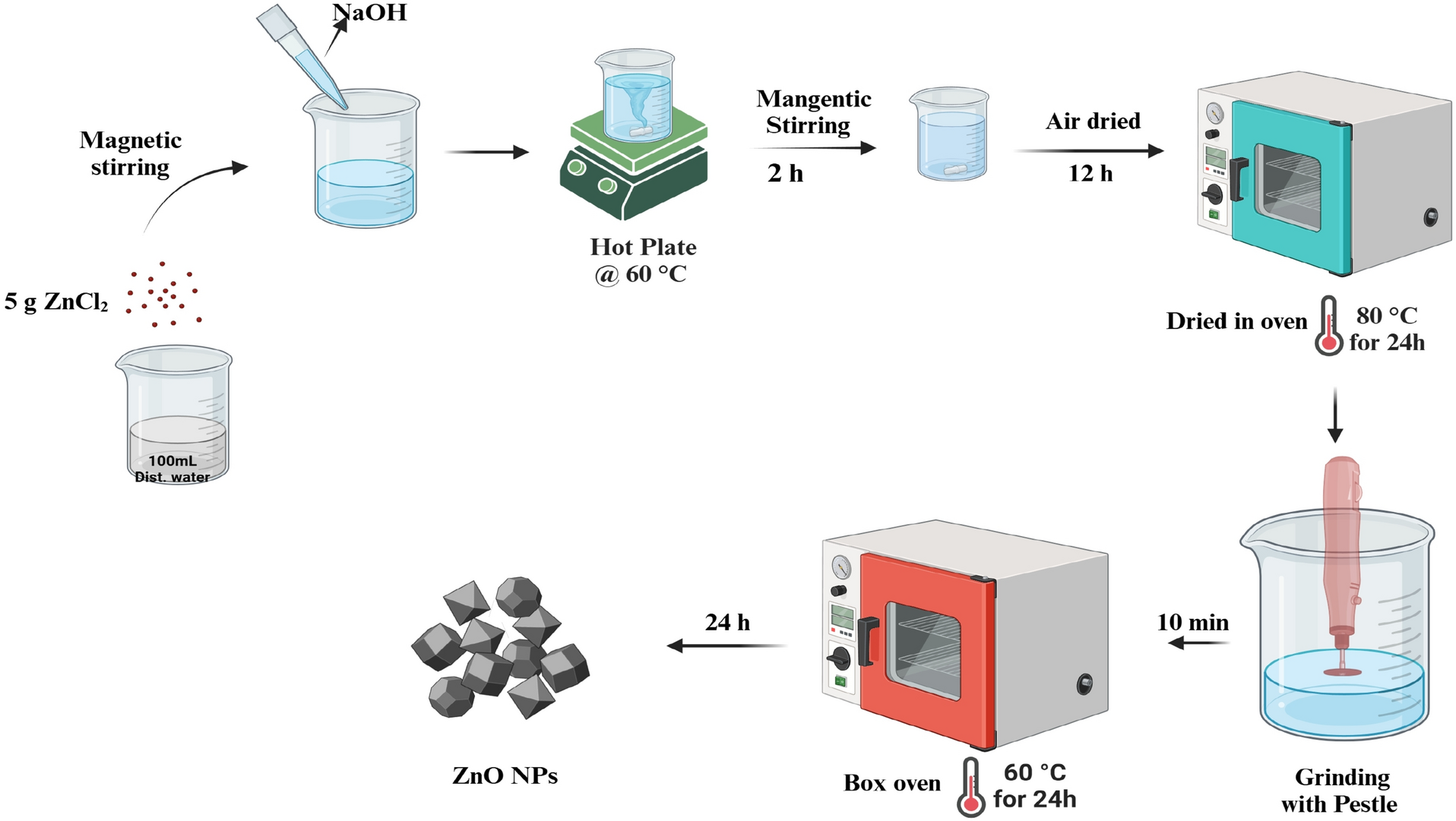

 a wet chemical method was employed to synthesize the zinc oxide (ZnO) nanoparticles (NPs). The physicochemical properties of the synthesized material were studied, including X-ray diffraction (XRD), scanning electron microscopy (SEM), transmission electron microscopy (TEM), and ultraviolet–visible spectroscopy (UV–Vis) techniques. In addition to it, the synthesized material was tested against four pathogens: Trichophyton mentagrophytes, Trichophyton rubrum, Microsporum gypseum, and Microsporum canis. The minimal inhibitory concentrations (MICs) of the synthesized material against fungal pathogens were recorded as 0.711, 2.469, 0.786, and 1.789 mg/ml, respectively, which almost effectively suppressed over 80% of their growth.

Please sign in or register for FREE
If you are a registered user on Research Communities by Springer Nature, please sign in