Fighting invasions: turning fragmented efforts into collective wins
Published in Economics

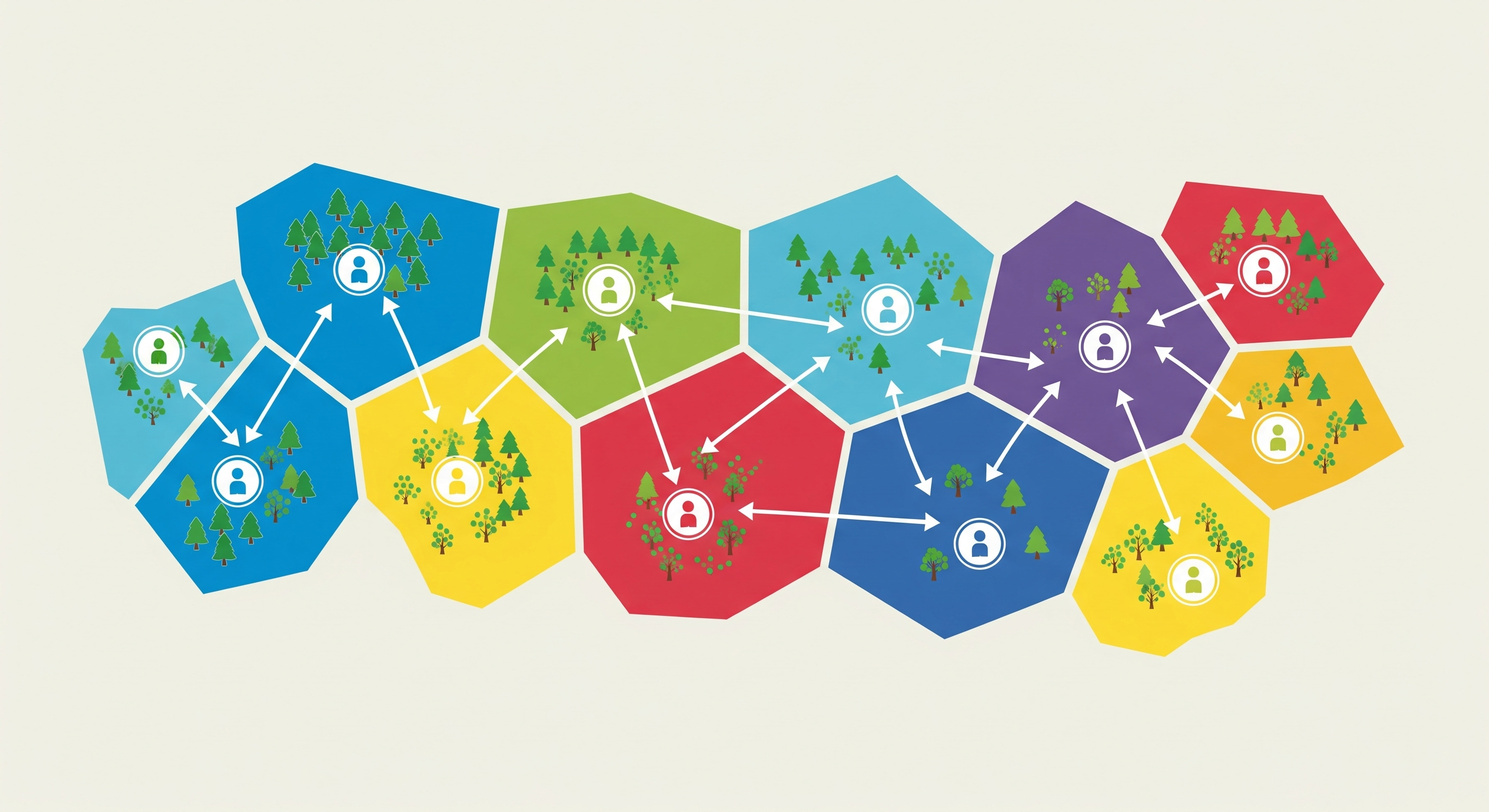

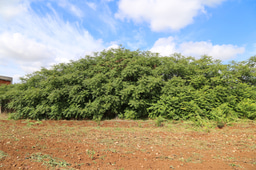
Ecosystems do not follow administrative borders. Invasive alien species such as the blue crab (Callinectes sapidus) or the tree of heaven (Ailanthus altissima) move freely across rivers, coastlines, ecological corridors and transport networks. Local control efforts, even when well-intentioned, often fail to stop them.
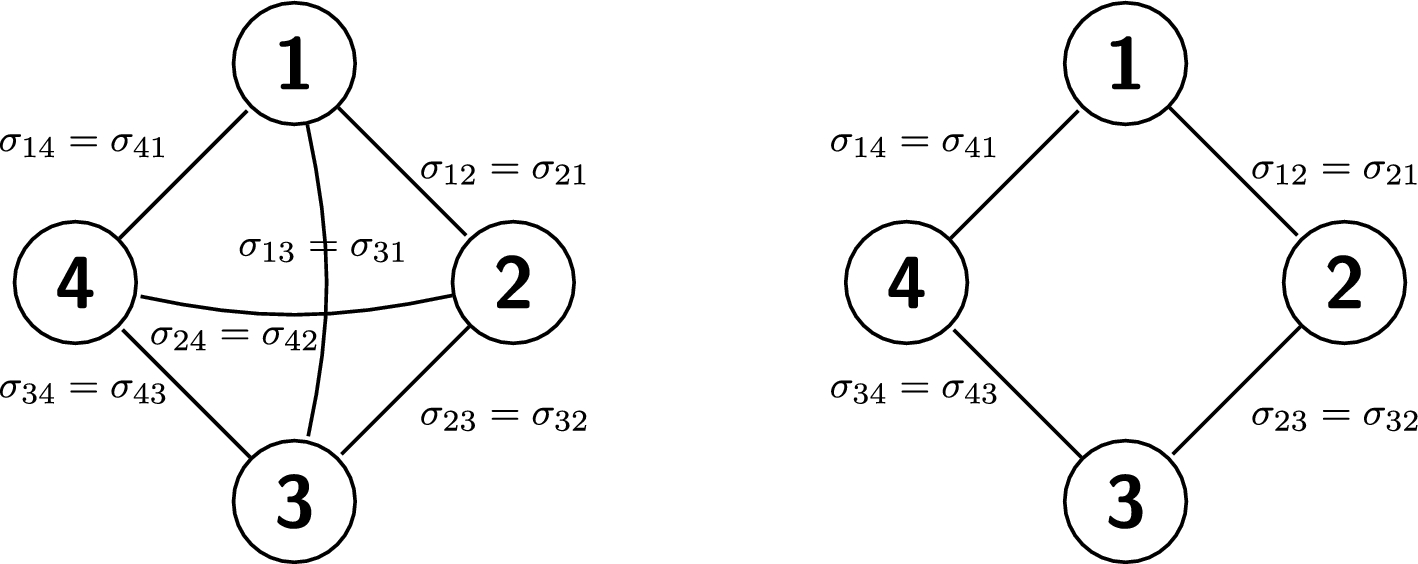
In our latest study, we developed a dynamic multi-agent model to address this challenge. We imagined a fragmented landscape made up of multiple regions, each under the control of a different decision-maker. Each agent decides how much effort to devote to controlling the invasive species, but their actions have consequences beyond their own boundaries. Managing the invasion becomes a shared strategy game, where each move shapes the outcome for all.
🔁 When everyone acts alone:
The result is higher costs, limited effectiveness and repeated reinvasions.
🤝 When regions coordinate:
Invasion slows down and collective costs decrease. To support cooperation, we propose two cost-sharing solutions. The Nash Bargaining solution fairly divides the benefits of coordination. The Myerson index assigns costs based on each agent’s position in the ecological network.
📊 Our simulations confirm that cooperation brings clear benefits, especially when landscapes are highly connected and when control costs differ across regions.
The policy relevance of our model lies in its ability to inform real-world decisions. It offers a framework to support regional and cross-border strategies by identifying when cooperation is beneficial, how it can be organized effectively, and how to share costs in a way that is fair and transparent.
Mathematical models can help design decisions that are more effective, more equitable and better aligned with ecological realities.
Follow the Topic
-
Annals of Operations Research
This journal is a peer-reviewed journal focusing on all key aspects of operations research including theory, practice, and computation.