Identifying and Addressing Gaps in Recognition of Cerebral/Cortical Visual Impairment Risk in the NICU
Published in Neuroscience, Paediatrics, Reproductive Medicine & Geriatrics, and Behavioural Sciences & Psychology
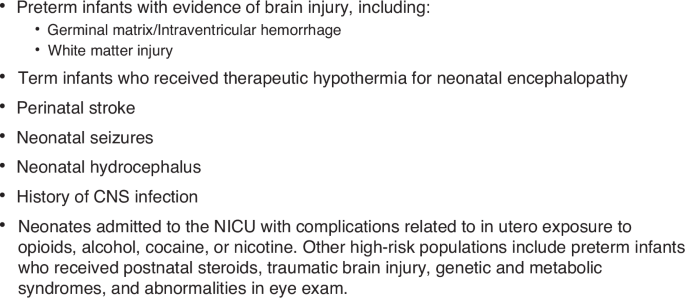

Cerebral/cortical visual impairment (CVI) is an important consequence of early brain injury, yet it is often recognized years after the neurological insult occurs. Many children at greatest risk—including infants with hypoxic-ischemic encephalopathy, prematurity, intraventricular hemorrhage, stroke, seizures, or other neurological injury—can already be identified during their NICU hospitalization. We therefore asked a simple question: could recognition of CVI risk begin in the NICU, before visual difficulties become apparent?
Our survey of NICU clinicians revealed an important gap between awareness and practice: providers recognized many CVI risk factors, but approaches to risk stratification, referral, follow-up, and conversations with families varied considerably. We used these findings to develop and implement a multidisciplinary, risk-based clinical pathway that identifies high-risk infants, supports family education, and facilitates appropriate visual follow-up after discharge. Rather than attempting to diagnose CVI in the NICU, our goal is to move recognition upstream—identifying risk early and building the follow-up pathway before infants leave the NICU.

Follow the Topic
-
Pediatric Research
Pediatric Research publishes original translational research papers, invited reviews, and commentaries on the etiologies and treatment of diseases of children and disorders of development, extending from basic science to epidemiology and quality improvement.