Inflammation and breast cancer
Published in Cancer and Cell & Molecular Biology

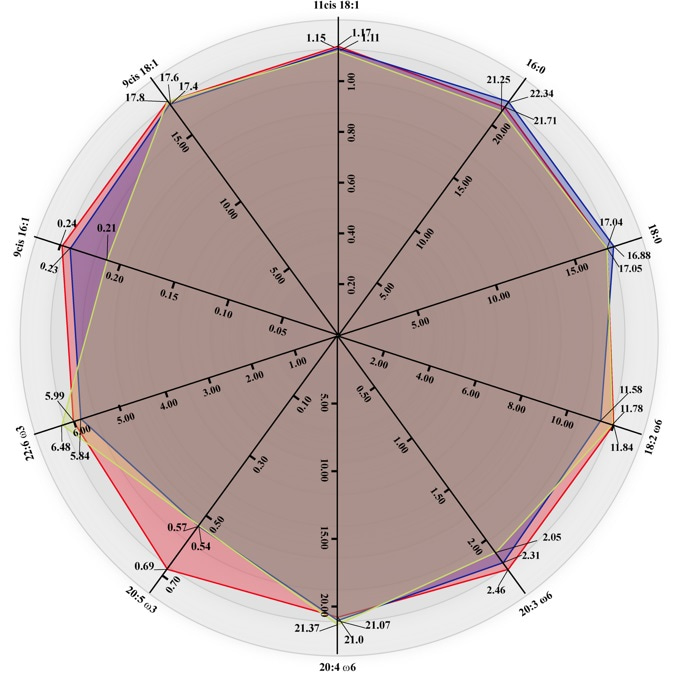
The cell membrane lipidomic has been preliminarly shown as a reliable and dynamic tool, even in cancer metabolism and proliferation, but it has not been studied so far in the clinical setting.
In the present study, our team has successfully used a lipidomic profiling in early breast cancer patients, awaiting for primary surgery, in combination with body composition analysis.
Our study highlights that normal weight women, generally considered at low risk, may have an altered body composition, coupled with molecular signals of reduced cell defense and increased inflammation, with potentially negative consequences on clinical outcomes.
We need a nutritional and metabolic screening in every breast cancer patient at the beginning of the cancer journey, in order to better assess clinical risks and tailor interventions.

Please sign in or register for FREE
If you are a registered user on Research Communities by Springer Nature, please sign in