International Day of Forests 2026 : Highlights from BMC Series
Published in Agricultural & Food Science




The 2026 theme, “Forests and Economies,” highlights how forests support livelihoods, strengthen communities, and provide the ecological services that keep economies functioning—from climate regulation to water security and agriculture.
BMC Ecology and Evolution: Strategies to manage tree pest and disease outbreaks: a balancing act

This comment article highlights the financial impacts of tree diseases, the cost–benefit of mitigation, and the role of resilient, diverse forests in safeguarding ecosystem services that underpin economic activity.

The study explores the mix of native shade‑tree species that support Ethiopia’s Sheko semi‑forest coffee landscapes, showing that this agro‑ecosystem holds a surprisingly rich canopy of 31 species. Despite this diversity, the authors found that young seedlings are scarce, pointing to pressures like clearing and unsustainable harvesting. Their findings suggest that without active regeneration efforts, the long‑term stability of this traditional coffee system—and the ecological services it provides—could be at risk
BMC Ecology and Evolution: Woody plant species diversity, vegetation structure, and regeneration status of Modi-Geyi Forest in Andracha District, Southwest Ethiopia
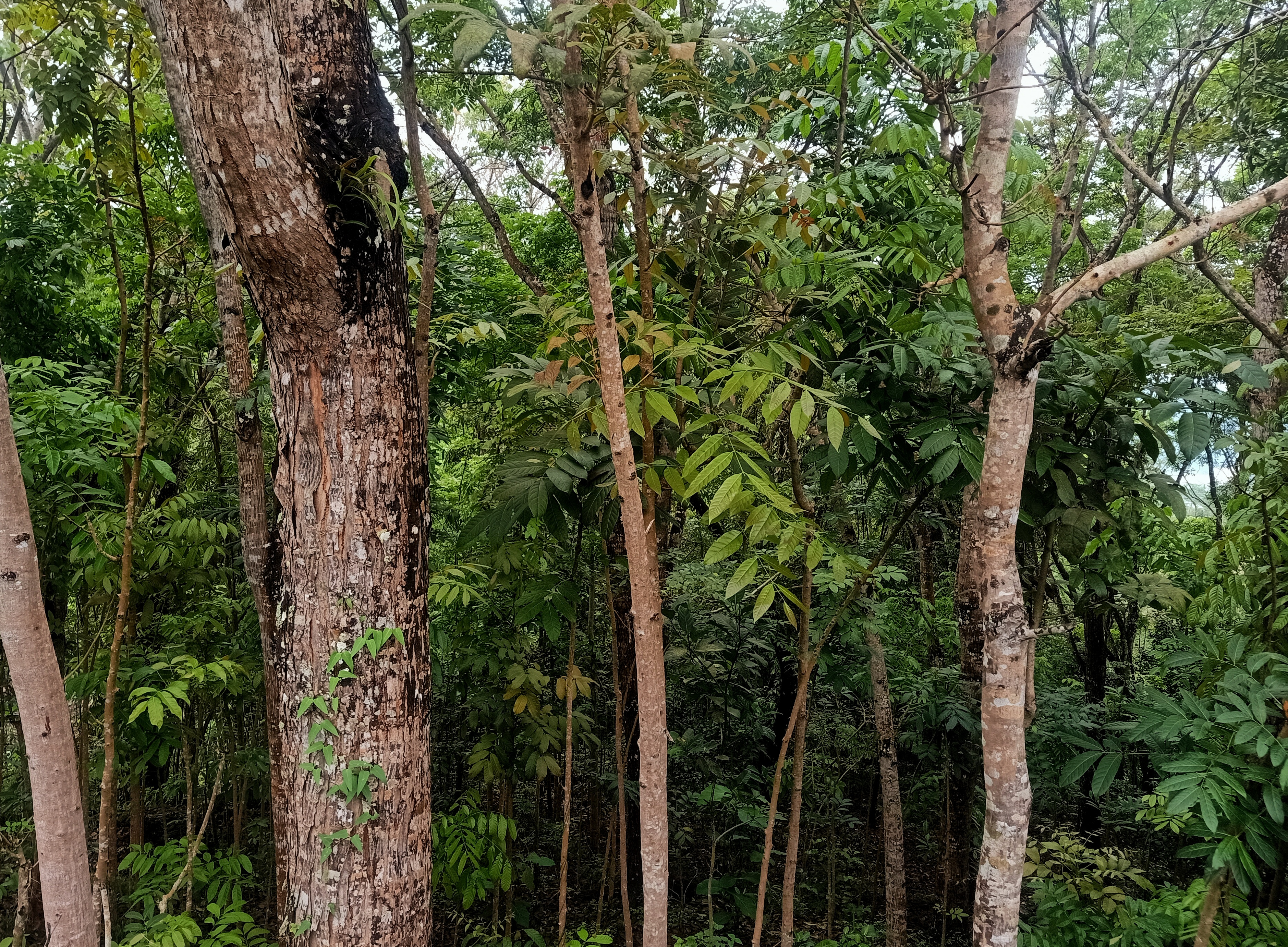
The Modi‑Geyi Forest study shows that this Afromontane ecosystem still supports a reasonable range of woody species, though some key plants are struggling to regenerate due to local disturbance pressures. These findings underline how easily forest systems can become vulnerable—reminding us, on the International Day of Forests, of the urgent need to protect and restore threatened forest landscapes for their long‑term ecological and community value.
BMC Plant Biology : A data-driven approach to forest health assessment through multivariate analysis and machine learning techniques
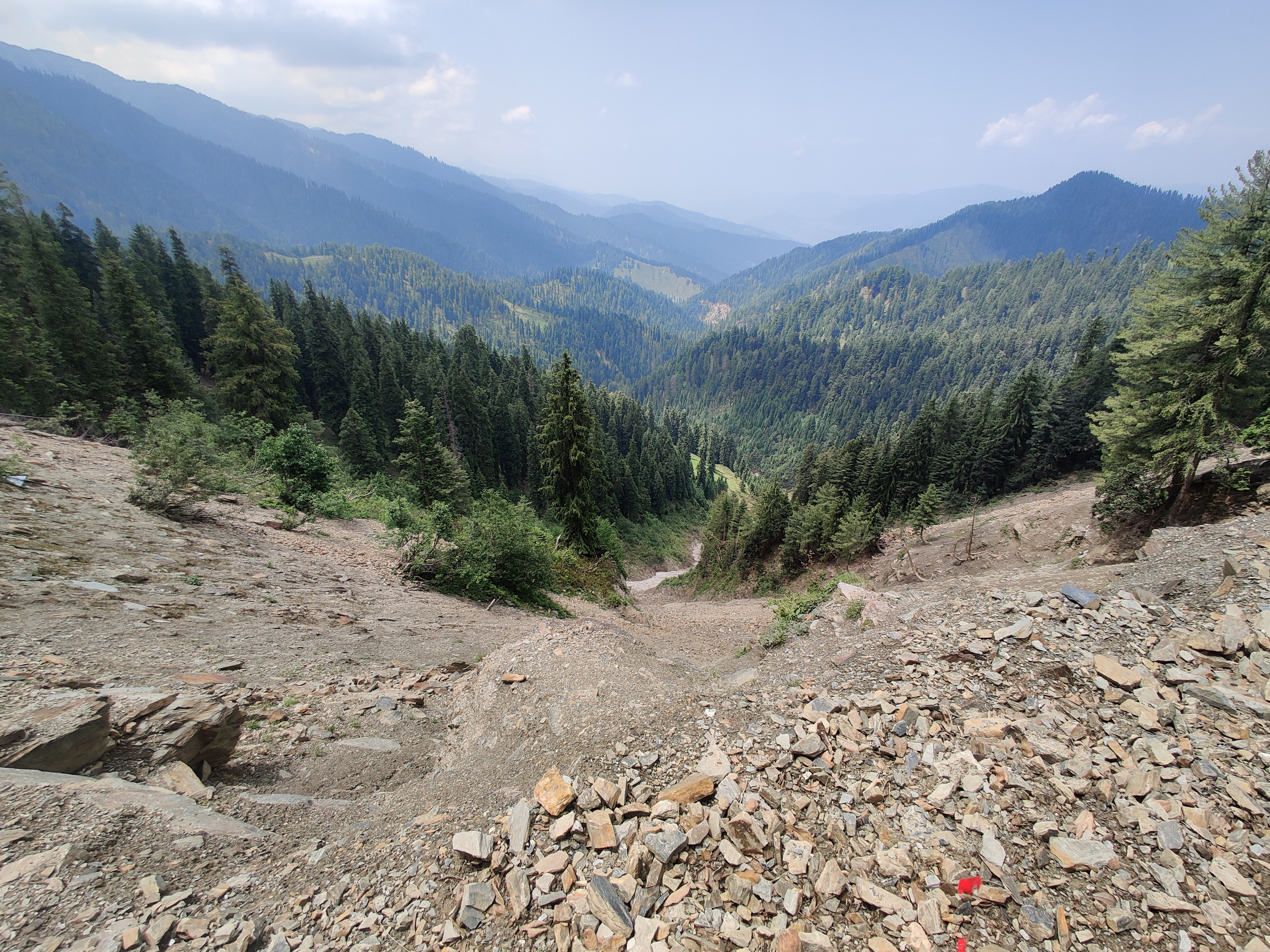
This Himalayan study uses machine‑learning tools to assess forest health across 37 sites, revealing strong variation in regeneration and disturbance levels. With many areas showing signs of degradation, the findings point to ongoing pressures from human activity and environmental stress. The research demonstrates how data‑driven approaches can sharpen conservation planning in fragile mountain ecosystems—an important reminder on the International Day of Forests of why informed forest management is vital for both ecological resilience and community well‑being.