Introducing BMC Plastic and Reconstructive Surgery; a new, inclusive journal for a rapidly evolving field
Published in Surgery
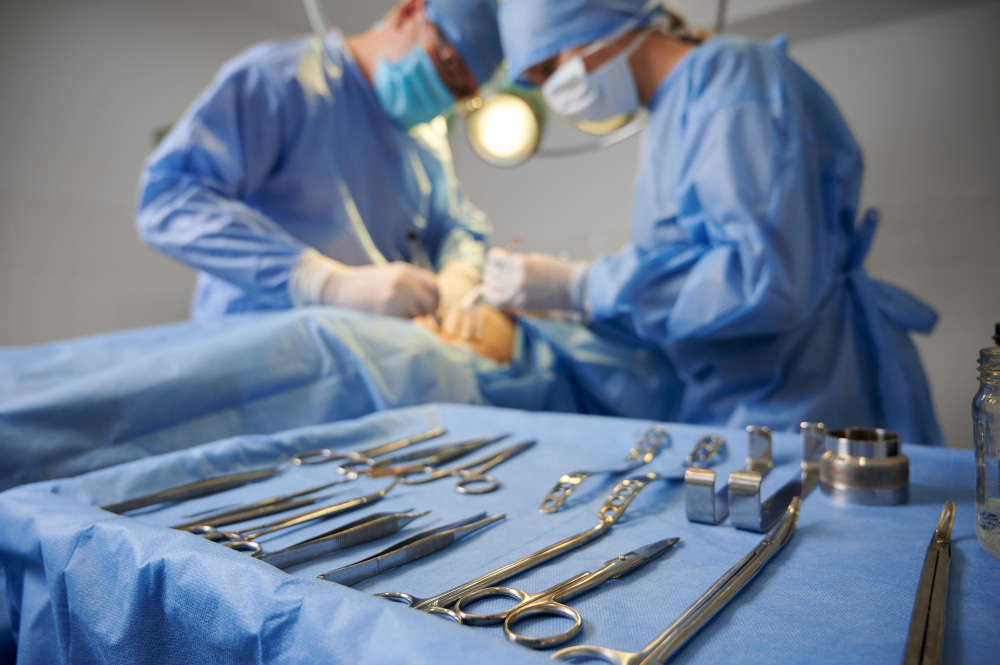
We are excited to announce the upcoming launch of BMC Plastic & Reconstructive Surgery, an inclusive, broad-scope community focused open access journal dedicated to advancing the field of plastic and reconstructive surgery.
Plastic and reconstructive surgery is a modern, actively evolving and expanding field. Launching by the end of 2024, the journals’ focus will be on bringing together the diverse and burgeoning research output in this area, taking into account up-to-date developments, novel topics and a rapidly growing audience.
BMC Plastic and Reconstructive Surgery will consider submissions on all aspects of plastic and reconstructive surgery, including clinical, translational and basic science research. The journal will welcome submissions across a wide range of topics, including reconstructive surgery, cosmetic surgery, anti-aging medicine and rejuvenation, hand surgery, microsurgery and supermicrosurgery, oncoplastic surgery, nerve surgery, burn medicine, wound healing, pediatric plastic surgery, gender-affirming surgery, trauma and emergency reconstruction and regenerative medicine.
Committed to sustainable development, BMC Plastic and Reconstructive Surgery encourages research that promotes healthy lives and well-being for all ages (SDG 3) and advances gender equality and empowerment for all women and girls (SDG 5). We are committed to supporting high-quality research that addresses these critical global challenges.
Following the ethos of the BMC series, our journal stands for open, robust and reproducible science with freely available data to speed up the pace of discovery. We support transparent peer review and make editorial decisions based on the validity and rigor of a study rather than its perceived impact.
We are now actively recruiting editorial board members ahead of the official launch; to find out more about this or other ways to get involved in BMC Plastic and Reconstructive Surgery, please get in touch – we would love to hear from you! My email is alison.cuff@biomedcentral.com

Alison is a Team Manager for the BMC Series. She studied at the University of Reading completing a PhD on investigating the effects of mutations on the structure of p53. After working for a time in academia, she joined BMC in May 2014, as a Database Editor for the ISRCTN registry. Alison joined the BMC series in November 2016.
Follow the Topic
-
BMC Plastic and Reconstructive Surgery
BMC Plastic and Reconstructive Surgery is an open access, peer-reviewed journal publishing research in all areas of plastic and reconstructive surgery, including clinical, translational and basic science research.

Related Collections
With Collections, you can get published faster and increase your visibility.
History of plastic and reconstructive surgery
The history of plastic and reconstructive surgery is extensive, complex, and remarkable in its depth. Every procedure, condition, surgical algorithm and instrument carries its own story. From ancient Sanskrit texts discussing Sushruta’s procedure for nasal reconstruction to modern robot-assisted surgery – the field is rich in history and innovation. Knowledge of this history is not only an educational prerogative, but also an important resource for understanding and respecting the sacrifices and contributions of surgeons and their patients, whose experiences defined the establishment and evolution of techniques, principles, and standards that define practice today.
For the most part, modern techniques used in plastic surgery took root in the field army hospitals and were first performed by military surgeons, who were tasked with a varying complexity of wound closures, extremity reattachments, burn treatments and addressing other derivates of war. The scale and complexity of injury seen in The First and Second World Wars necessitated rapid surgical innovation, producing novel techniques in wound closure, reconstruction and microsurgery. Key contributors to the field in the first half of the 20th century include Sir Harold Gillies, Sir Robert Jones, Henry Pickerill, Hippolyte Morestin, Erich Lexer, Jaques Joseph, Otto Lanz, Johannes Esser, Vladimir Petrovich Filatov, Archibald McIndoe, Luke Voyno-Yasenetsky, Vincenz Czerny, Suzanne Noël and others. It is equally important to remember the soldiers and the civilians whose injuries compelled the marvelous surgical progress, from which we continue to benefit today. Their suffering and sacrifice are often overshadowed by the focus on the surgeon or the technique, but their experiences are a reminder that the history of surgery carries a tremendous human cost that must never be forgotten.
Considering this historical context, BMC Plastic and Reconstructive Surgery is pleased to announce a series focused on the history of plastic surgery. The aim of this series is to provide a venue for research articles discussing the foundation and evolution of the plastic and reconstructive surgery field, including those focused on contributions of individual surgeons and patients, historical aspects of surgical technique, instrumentation, art or literature.
All manuscripts submitted to this journal, including those submitted to collections and special issues, are assessed in line with our editorial policies and the journal’s peer-review process. Reviewers and editors are required to declare competing interests and can be excluded from the peer review process if a competing interest exists.
Publishing Model: Open Access
Deadline: May 19, 2027
Facelift surgery: modern techniques and innovation
Facelift surgery, or rhytidectomy, has evolved significantly over the past few decades, driven by advancements in surgical techniques and an increasing understanding of facial anatomy and aging. Traditionally, facelift procedures focused primarily on lifting and tightening the skin. However, modern approaches now encompass a range of techniques aimed at restoring youthful contours while preserving a natural appearance. Innovations such as minimally invasive procedures, endoscopic techniques, and fat grafting have redefined the standards of facial plastic surgery, offering patients enhanced options and improved outcomes.
The importance of ongoing research in facelift surgery is underscored by the growing demand for aesthetic procedures that prioritize safety, efficacy, and natural results. Recent advancements in technology, such as 3D imaging and virtual simulations, have transformed preoperative planning and patient consultations. Additionally, the integration of regenerative medicine techniques, like stem cell therapy, holds the promise of further enhancing the longevity and quality of surgical outcomes. This Collection aims to highlight the multifaceted approaches and innovations shaping the future of facelift surgery.
Looking ahead, continued research and development in facelift techniques could lead to groundbreaking innovations that further minimize recovery time, reduce complications, and maximize patient satisfaction. Potential advancements may include the refinement of personalized surgical approaches tailored to individual patient needs, as well as the exploration of non-surgical interventions that could complement traditional facelift techniques. As we deepen our understanding of facial aging, the potential for creating more effective, less invasive solutions is immense.
Topics welcome to the Collection include, but are not limited to, the following:
- Innovative techniques in facelift surgery
- Role of minimally invasive procedures in facial rejuvenation
- Advancements in surgical planning and imaging technology
- Integration of regenerative medicine in facial plastic surgery
All manuscripts submitted to this journal, including those submitted to collections and special issues, are assessed in line with our editorial policies and the journal’s peer-review process. Reviewers and editors are required to declare competing interests and can be excluded from the peer review process if a competing interest exists.
Publishing Model: Open Access
Deadline: Feb 19, 2027