Introducing BMC Marine Science: a new community-driven journal in the BMC Series
Published in Ecology & Evolution and Sustainability
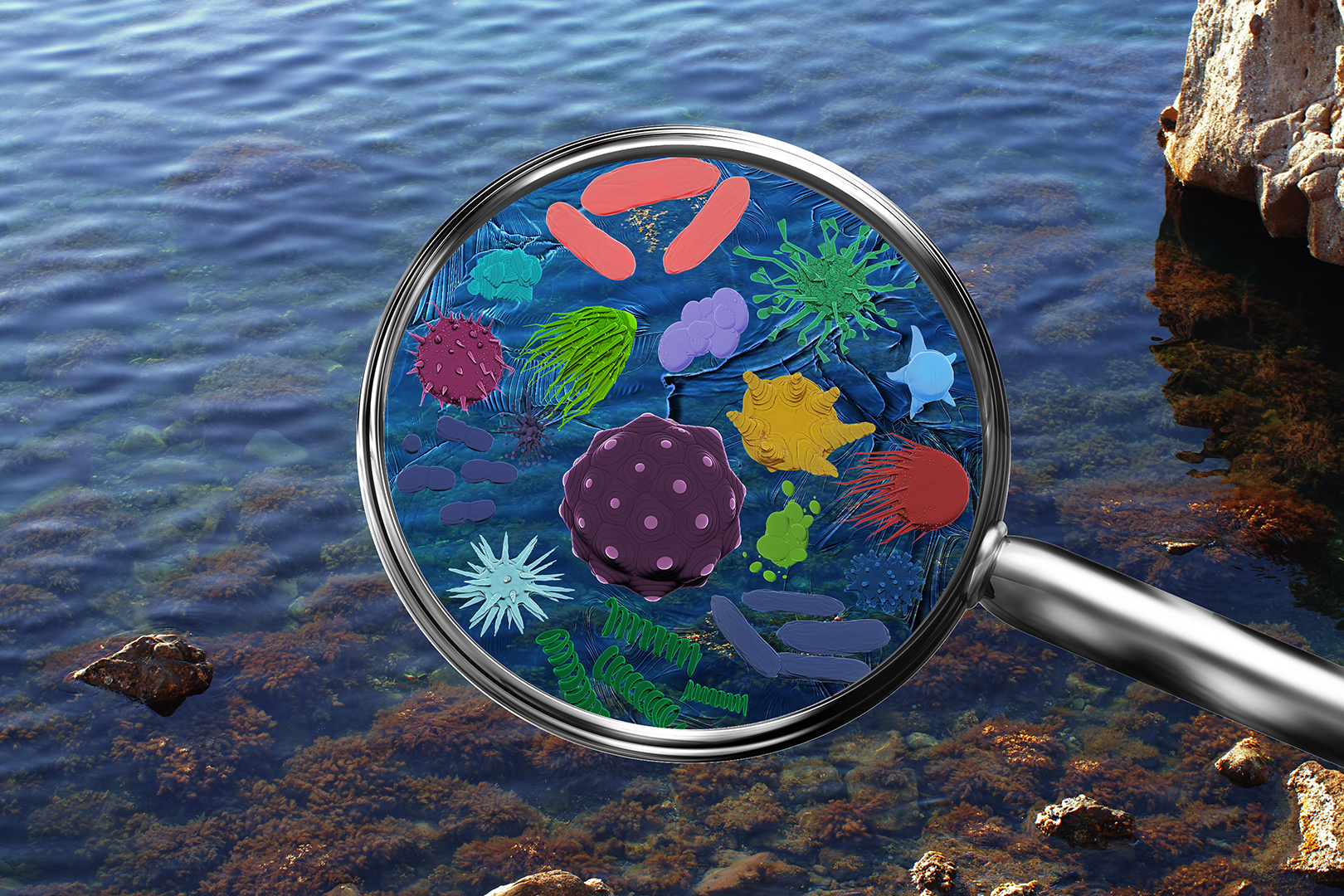
The field of marine science is constantly evolving, with new discoveries and advancements shaping our understanding of the oceans, research urgently needed, for example, to address global challenges such as the effect of climate change on marine ecosystems, or how the health of the ocean itself may impact weather patterns and the marine life it supports.
BMC Marine Science aims to publish research a wide array of topics, emphasizing research on marine biodiversity, marine disease and marine conservation as well as oceanographic research. The journal will focus on the impacts of climate change on marine health, coastal and estuarine science, and the sustainability of fisheries and aquaculture. Research on marine microbiology, biochemistry, and technological advancements in marine science will also be considered.
Aligned with the objectives of the United Nations Sustainable Development Goals (SDGs), BMC Marine Science particularly encourages submissions focused on Life Below Water (SDG 14). The journal will promote research into reducing marine pollution, protecting marine ecosystems, and minimizing ocean acidification.
Following the ethos of the BMC series, this journal stands for open, robust, and reproducible science with freely available data to speed up the pace of discovery. We support transparent peer review and make editorial decisions based on the validity and rigor of a study rather than its perceived impact.
We are now actively recruiting editorial board members ahead of the official launch. To find out more about this or other ways to get involved in BMC Marine Science, please get in touch – we would love to hear from you! My email is alison.cuff@biomedcentral.com

Alison is a Team Manager for the BMC Series. She studied at the University of Reading completing a PhD on investigating the effects of mutations on the structure of p53. After working for a time in academia, she joined BMC in May 2014, as a Database Editor for the ISRCTN registry. Alison joined the BMC series in November 2016.
Follow the Topic
-
BMC Marine Science
This journal aims to publish research on a wide array of topics, emphasizing research on marine biodiversity, marine disease and marine conservation as well as oceanographic research.

Related Collections
With Collections, you can get published faster and increase your visibility.
Marine genomics and environmental DNA (eDNA)
BMC Marine Science is calling for submissions to our Collection on the role of marine genomics and environmental DNA (eDNA) in understanding marine biodiversity and ecosystem dynamics. As marine ecosystems face unprecedented pressures from climate change, pollution, and overfishing, the need for innovative and non-invasive monitoring techniques has become critical. The integration of genomic tools and eDNA methodologies allows researchers to assess biodiversity, track species distribution, and understand community dynamics with unparalleled sensitivity and specificity. By harnessing the power of molecular biology, we can obtain crucial insights into the health and resilience of marine ecosystems, making it imperative to foster collaborative research that bridges genomics, ecology, and conservation science. This Collection aims to unite scholars and practitioners in marine science, driving forward the collective understanding of how genomics and eDNA can be utilized to address pressing environmental challenges.
The scope of this Collection encompasses a diverse range of topics, including but not limited to:
- The application of eDNA for species detection and monitoring
- The development of genomic tools for assessing genetic diversity and population structure
- The role of marine genomics in informing conservation strategies
- Innovative research exploring the impacts of environmental stressors on marine communities
- Methodological advancements that enhance the efficacy and reliability of eDNA applications
We invite contributions that not only highlight novel findings but also address these key areas of interest. By fostering interdisciplinary collaboration, we aim to enhance the scientific foundation for effective management and conservation of marine resources in an era of rapid environmental change.
This Collection supports and amplifies research related to SDG 14: Life Below Water.
All manuscripts submitted to this journal, including those submitted to collections and special issues, are assessed in line with our editorial policies and the journal’s peer review process. Reviewers and editors are required to declare competing interests and can be excluded from the peer review process if a competing interest exists.
Publishing Model: Open Access
Deadline: Dec 25, 2026
Marine microbial ecology
BMC Marine Science is calling for submissions to our Collection on Marine microbial ecology. The intricate relationships within marine microbial ecosystems form the foundation of oceanic health and productivity, influencing everything from nutrient cycling to climate regulation. As climate change, pollution, and overfishing impose unprecedented pressures on marine environments, understanding the role of marine microorganisms becomes increasingly critical. This Collection aims to consolidate current research on marine microbes, including phytoplankton and zooplankton, and their responses to environmental changes.
We invite contributions that delve into various aspects of marine microbial ecology, including but not limited to:
- The diversity and distribution of marine microorganisms in different habitats, from the open ocean to coastal environments
- The roles of marine phytoplankton as primary producers and their interactions with marine zooplankton
- Microbial responses to anthropogenic pressures, including climate change and pollution
- Innovative methodologies for studying microbial processes and their implications for ecosystem health and sustainability
By exploring the dynamics of these diverse communities, we hope to illuminate their contributions to ecosystem resilience and functionality, fostering a deeper understanding of marine life at the microscopic level.
All manuscripts submitted to this journal, including those submitted to collections and special issues, are assessed in line with our editorial policies and the journal’s peer-review process. Reviewers and editors are required to declare competing interests and can be excluded from the peer review process if a competing interest exists.
Publishing Model: Open Access
Deadline: Dec 30, 2026