Magnets, Molecules & Discovery: AICCRS, Amity University, Uttar Pradesh, India Opens Its NMR Facility with Immersive Training
Published in Arts & Humanities
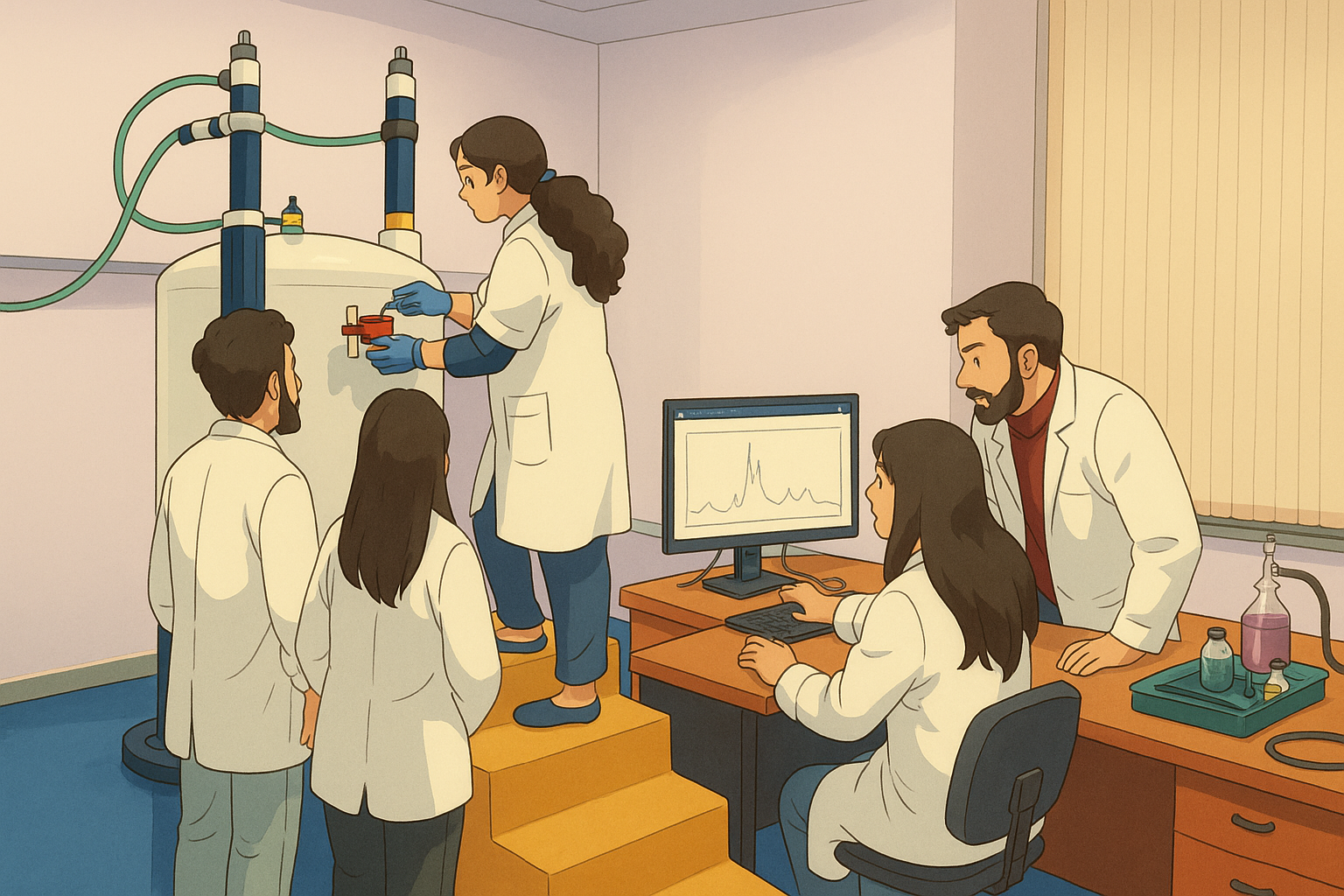
The Amity Institute of Click Chemistry Research & Studies (AICCRS), Amity University, Noida, Uttar Pradesh, India marked an important milestone this November by hosting its first One-Week Hands-on Workshop on “Discovering NMR” from 24th to 28th November 2025. This workshop followed closely after the inauguration of the state-of-the-art NMR Facility at AMITA (Amity Multi-Tech Instrumentation for Testing & Analysis on 14th November 2025), making it the very first academic event to utilize the new system. The week-long programme brought together students, researchers, and industry professionals for an immersive exploration of Nuclear Magnetic Resonance (NMR) spectroscopy—an essential tool in modern scientific research.
A Diverse and Energetic Start
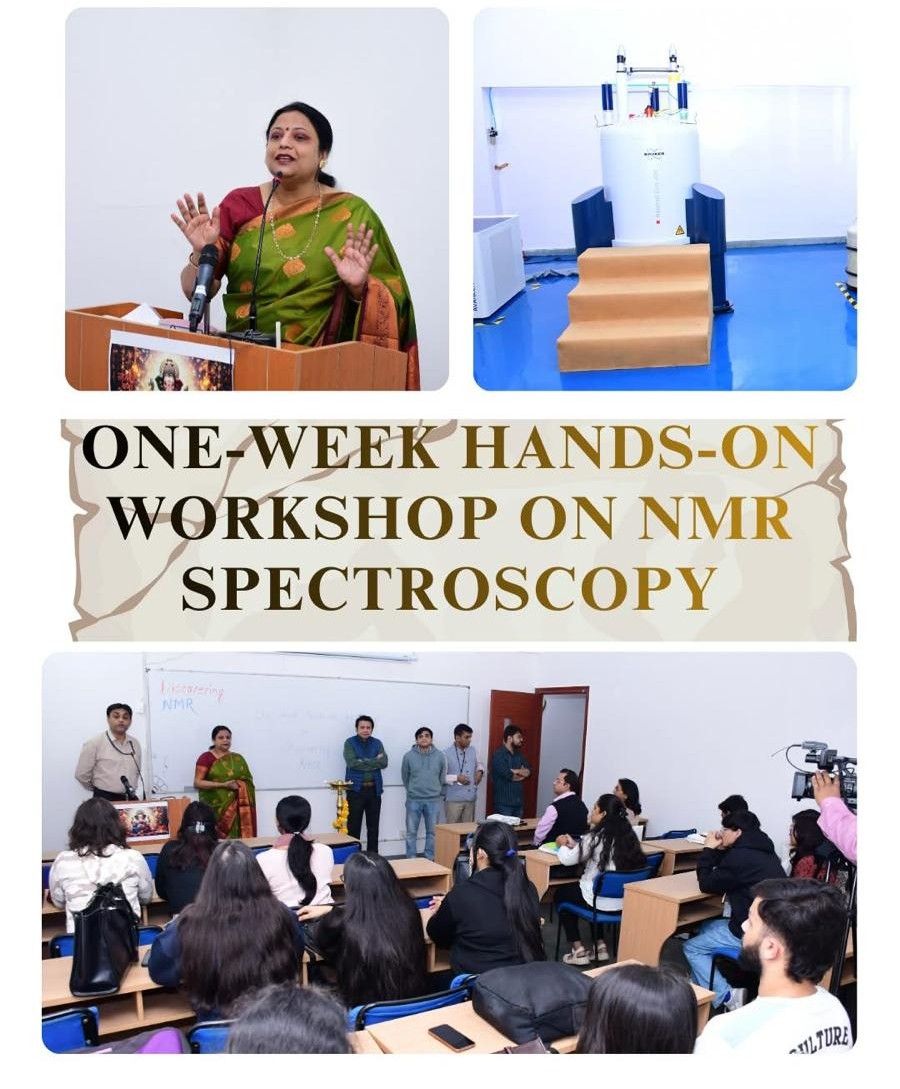
The workshop attracted 20 participants, representing undergraduate and postgraduate students from biotechnology, virology, immunology, and pharmacy, as well as professionals from an external analytical and diagnostic organization. This rich mix of backgrounds created an atmosphere full of curiosity, collaboration, and shared enthusiasm. The growing importance of instrument-based skills in backbone of any research and industry initiative. What is important that we succeed to resonate this message strongly with the attendees, many of whom were engaging with NMR for the first time.
Learning the Basics: Clear, Simple, and Hands-On
The first two days of the workshop focused on the fundamentals. Students learned what NMR is, how the spectrometer functions, and why this technique is so widely used in chemistry, biology, pharmaceuticals, and materials research. These sessions also included important safety instructions and sample-preparation demonstrations. For many participants, preparing their own samples was an empowering introduction to laboratory practice.
One student reflected, “I always thought NMR was too complicated for beginners. But seeing the process step by step made it surprisingly approachable.” This sentiment echoed across the room as participants began to feel increasingly confident handling the tools and concepts.
Seeing Science in Action: Operating the NMR Instrument
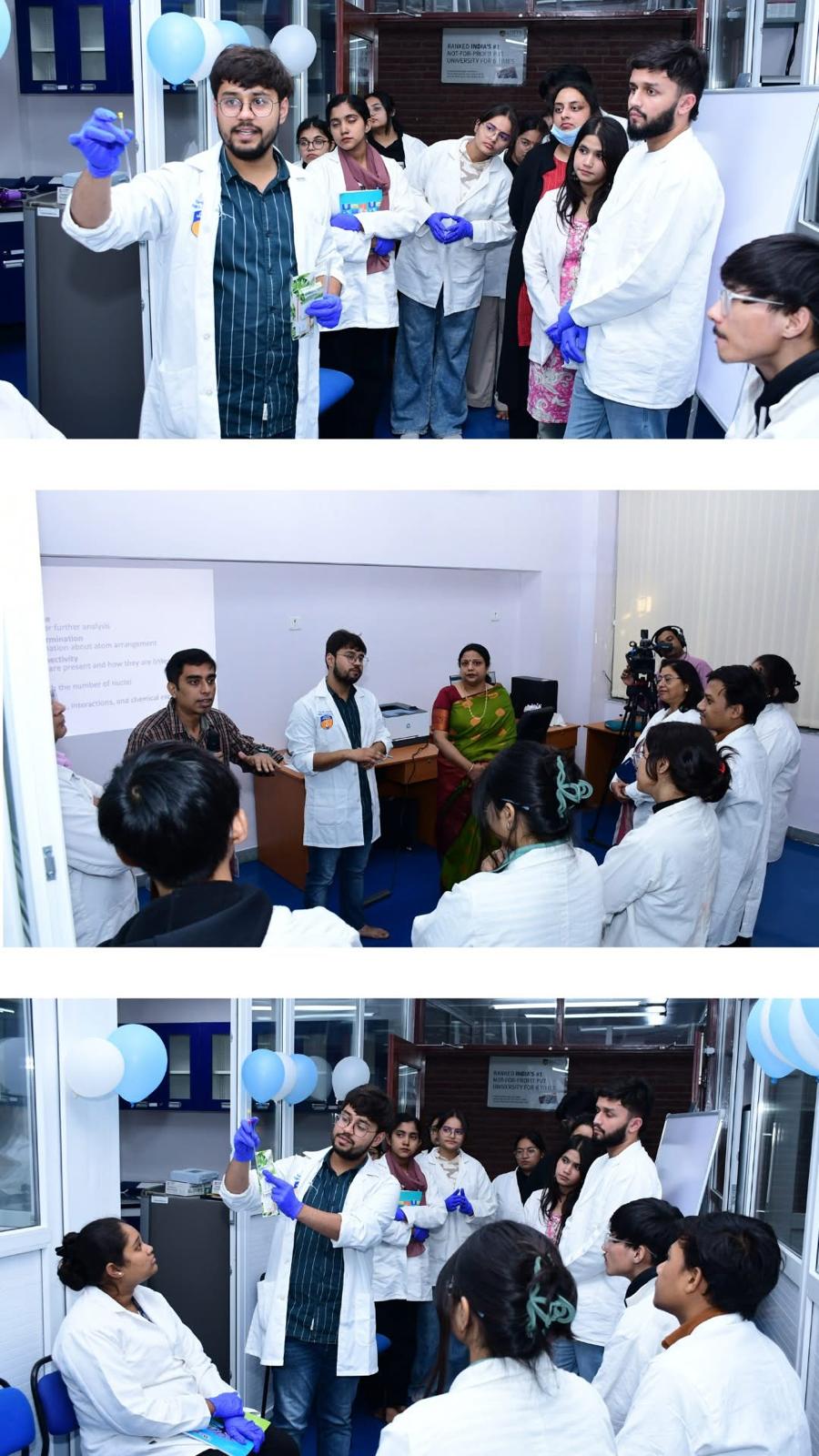
The heart of the workshop unfolded over the next few days, as participants gathered around the new NMR system to observe live demonstrations. Faculty members explained how samples are inserted into the magnet, how experiments are set up, and how data begins to appear on screen. Students watched with excitement as peaks and patterns emerged from their own samples.
To ensure meaningful learning, simple everyday compounds were chosen for the demonstrations—molecules that students could easily connect with real-life examples. Each participant received printed and digital datasets, allowing them to practice interpreting the spectra and identifying key features.
One participant shared, “When I understood why certain peaks appeared at specific positions, it felt like solving a scientific puzzle.” Another added, “This is the first time theory finally made sense to me.”
Dialogue, Clarification, and Growing Confidence
Interactive discussions became a daily highlight. Participants asked questions freely, exchanged insights, and engaged in problem-solving with the faculty. These sessions helped dissolve fear and hesitation, building a strong foundation for independent data analysis.
By the final day, students who were initially intimidated now felt comfortable identifying chemical environments, tracking shifts, and comparing spectral data. Many noted a visible improvement in their confidence and analytical reasoning.
Connecting NMR to the Real World
A special session was dedicated to exploring the broader applications of NMR. Faculty members demonstrated how this technique is used in:
- structural elucidation
- pharmaceutical quality control
- purity checks and characterization
- biotechnology and metabolomics research
- industrial troubleshooting
Industry participants added practical context by discussing real-world use cases. This exposure helped students see the direct relevance of NMR skills in both academic and professional careers.
A Successful First Workshop—and a Promising Future
The entire workshop proceeded smoothly, supported by the flawless performance of the NMR system. More importantly, it created significant academic momentum—several Amity departments have already shown interest in utilizing the facility for ongoing research projects, and sample-analysis requests increased noticeably after the workshop.
Participants provided overwhelmingly positive feedback. They appreciated the clarity of teaching, the supportive environment, and the chance to work with real examples. Many expressed interests in attending an advanced-level (Level II) NMR workshop in the future.
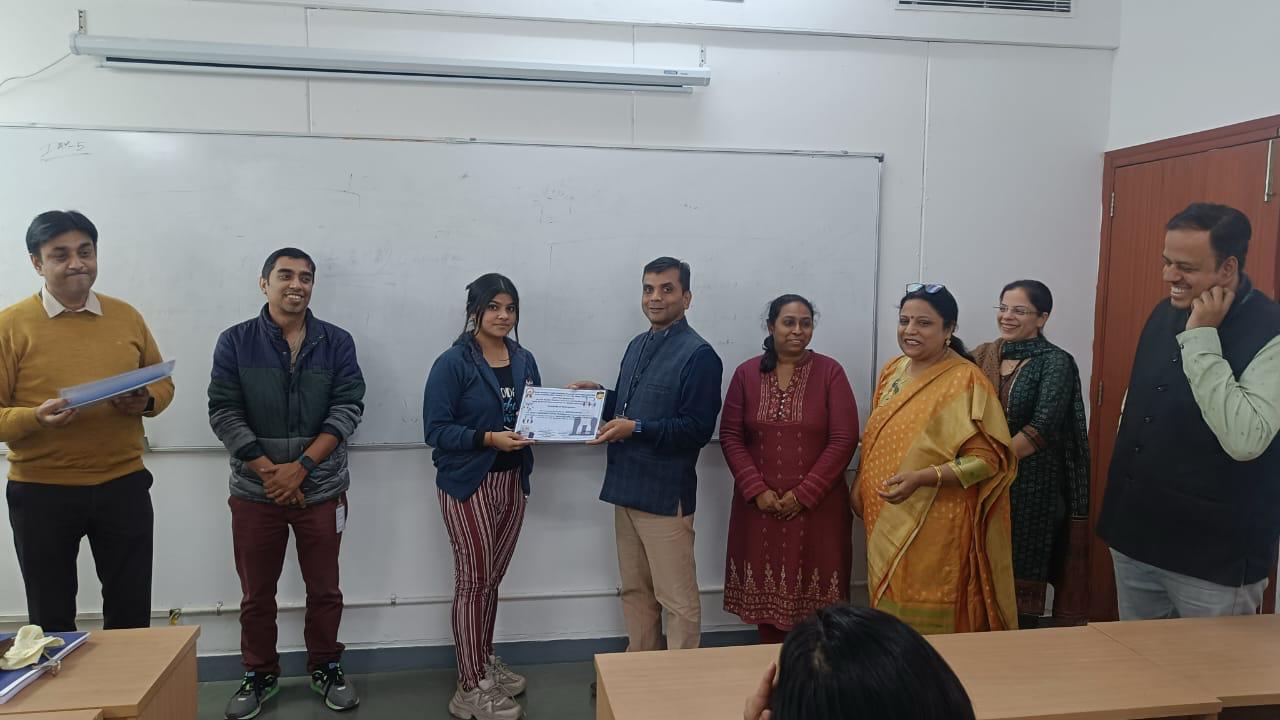
Building a Culture of Practical Learning at AICCRS
The success of this inaugural workshop reflects AICCRS’s commitment to promoting hands-on scientific education. It demonstrated that when students are given real instruments, real data, and real guidance, their learning accelerates naturally. The workshop not only enriched participants’ technical skills but also strengthened interdisciplinary interaction and enhanced the visibility of the NMR Facility within the Amity research ecosystem.
The experience gained from this first batch will help shape future workshops and training modules. As interest grows and more departments engage with the facility, AICCRS is poised to become a central hub for scientific training and instrument-based learning across the university.
With enthusiasm high and momentum strong, this is only the beginning of an exciting journey for the NMR Facility and the scientific community at Amity.
Competing Interests
The author declare no competing interests. (Poster image is generated by ChatGPT open AI).This content was prepared with editorial assistance from ChatGPT to enhance clarity and presentation.
I am a passionate researcher at the forefront of molecular biology, cellular biophysics, and protein biology, dedicated to unraveling the intricate mechanisms that drive cellular behavior and therapeutic interactions. My work focuses on decoding how the intracellular environment shapes the fate and efficacy of therapeutic molecules, paving the way for innovative drug design and delivery strategies. By seamlessly bridging fundamental science with translational applications, I combine cutting-edge experimental techniques with analytical rigor to tackle pressing biomedical challenges. Committed to scientific transparency and interdisciplinary collaboration, I strive to create impactful solutions that advance human health.