Measuring factors related to adherence in mindfulness-based interventions.
Published in Behavioural Sciences & Psychology
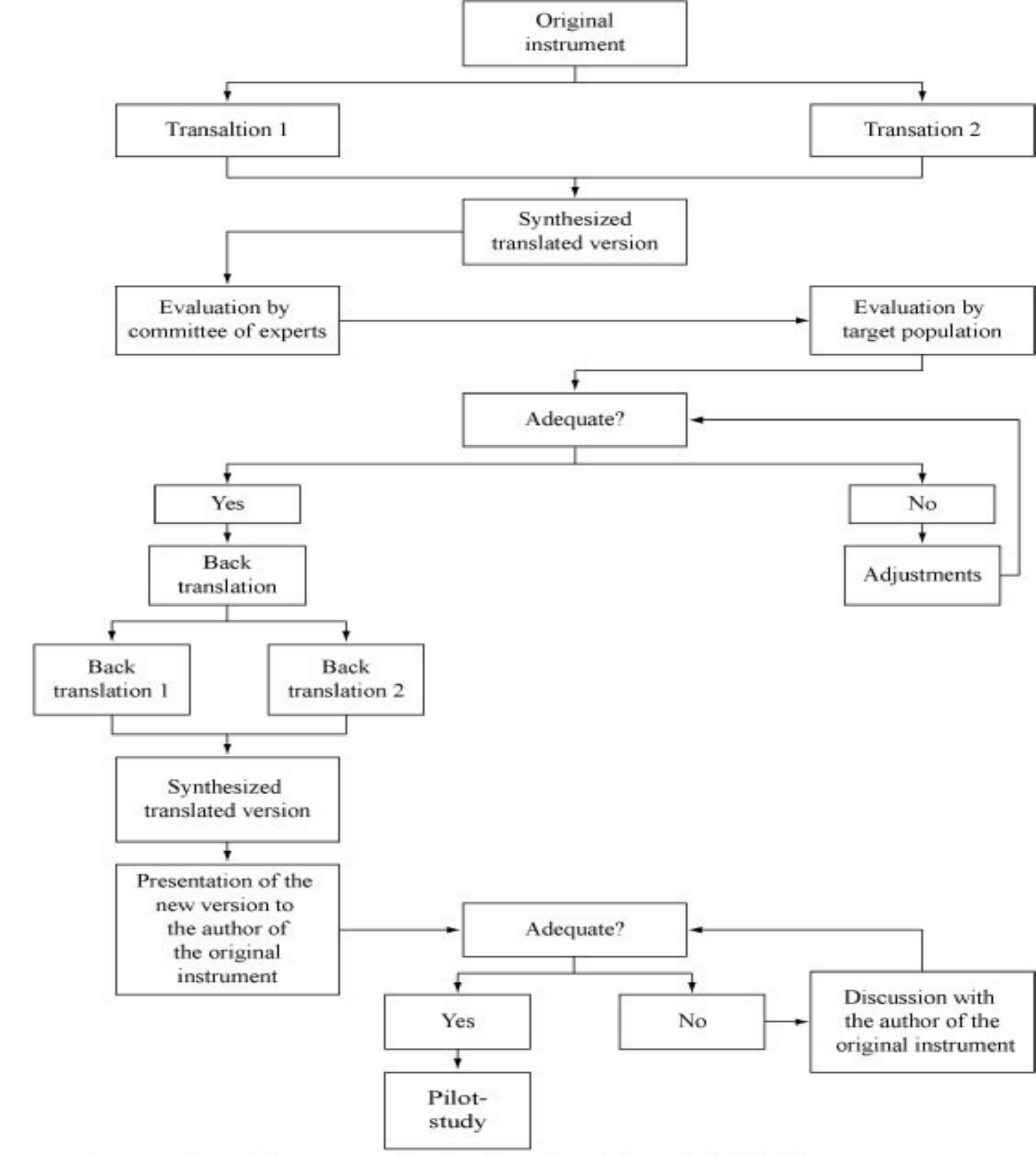

An article has been published on the cross-cultural adaptation and psychometric validation of the Mindfulness Adherence Questionnaire (MAQ) for the Brazilian context. Several advancements are discussed.

Graduated in Psychology. Master's and PhD in Cognitive Psychology. Specialist in Cognitive-Behavioral Therapies. Specialist in Mindfulness and Health Promotion. He is a researcher, clinical psychologist, professor, mindfulness mentor in clinical practice, clinical supervisor, and professional mindfulness instructor at the Brazilian Center for Mindfulness and Evidence-Based Psychotherapies.
Follow the Topic

Your space to connect: The Psychedelics Hub
A new Communities’ space to connect, collaborate, and explore research on Psychotherapy, Clinical Psychology, and Neuroscience!
Continue reading announcementRelated Collections
With Collections, you can get published faster and increase your visibility.
Buddhist psychology, meditation and mindfulness
The intention of this Special Collection is to explore and debate the potential of "Buddhist Psychology" – in its several versions and articulations – as a view offering overarching models that can provide the foundation for a deeper understanding of the human mind and of meditation practices, including those in secular programs based on mindfulness and compassion, as well as of related clinical and neuroscientific insights.
We believe that the recently emerging field of mindfulness and compassion programs will develop from a deeper and stronger foundation if we take a broader scope, and a theoretical approach more directly inspired by time-honored "Buddhist psychology".
One of the most exciting potentials of "Buddhist Psychology" is to offer theoretical maps and frames about the functioning of the human mind and its relations with the social and natural environment, that are based on millennia of introspective and phenomenological inquiries. And, we would like to add, it is based on the insights and contemplative realizations of the psychological genius who was the Buddha.
Buddhist teachings seem able to provide models that are at the same time general enough to encompass and connect many types and levels of mental processes and functions (together with the scientific data and understanding we already have about them), and precise enough to guide and orientate future research towards an expanded comprehension of our mind. This, in turn, will facilitate the development of future forms of psychotherapy, clinical, educational, and collective interventions to foster individual and societal well-being, inspired by a Dharma-oriented focus on transformative and liberating aims.
Thus, one of the main ambitions of this Special Collection is to gather high quality current theoretical and empirical research directly addressing or inspired by the teachings of “Buddhist Psychology” as overarching models. The objective is to illustrate through a number of fruitful examples how a straightforward reference to the Dharma as an actual guiding framework is able to provide effective models/maps to our scientific inquiry in our present time.
Publishing Model: Hybrid
Deadline: Ongoing




Please sign in or register for FREE
If you are a registered user on Research Communities by Springer Nature, please sign in