Molecular mechanisms underlying the potential anticancer activity of Pulicaria crispa hexane fraction in HCT116 cancer cells
Published in Biomedical Research

I’m thrilled to share that our article titled
“Molecular mechanisms underlying the potential anticancer activity of Pulicaria crispa hexane fraction in HCT116 cancer cells”
has just been published in 3 Biotech 🎉
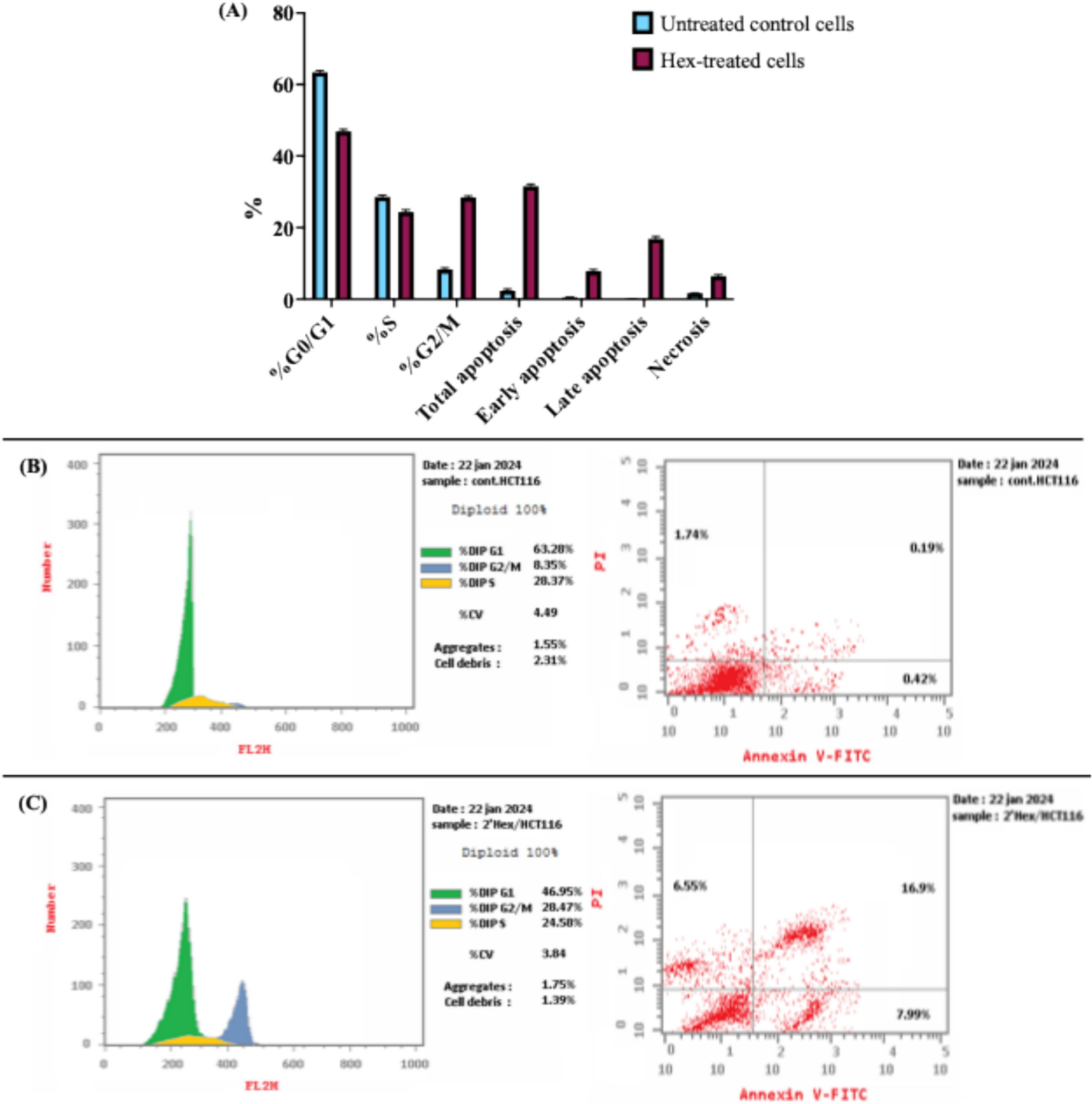
In this study, we explored the powerful potential of Pulicaria crispa—a medicinal plant long used in traditional remedies—and uncovered how its hexane fraction exerts anticancer effects through:
🔬 Cell cycle arrest
💥 Apoptosis induction
🌪️ Oxidative stress generation
🧯 Anti-inflammatory modulation
⚙️ Metabolic disruption
This work highlights the value of natural compounds in the search for safer and more effective cancer therapies.
🟢 The article is open access and freely available here:
👉 Read it now
🔁 Feel free to share, cite, and explore.
📈 Track its impact.
📚 Let’s continue to bring science closer to people.
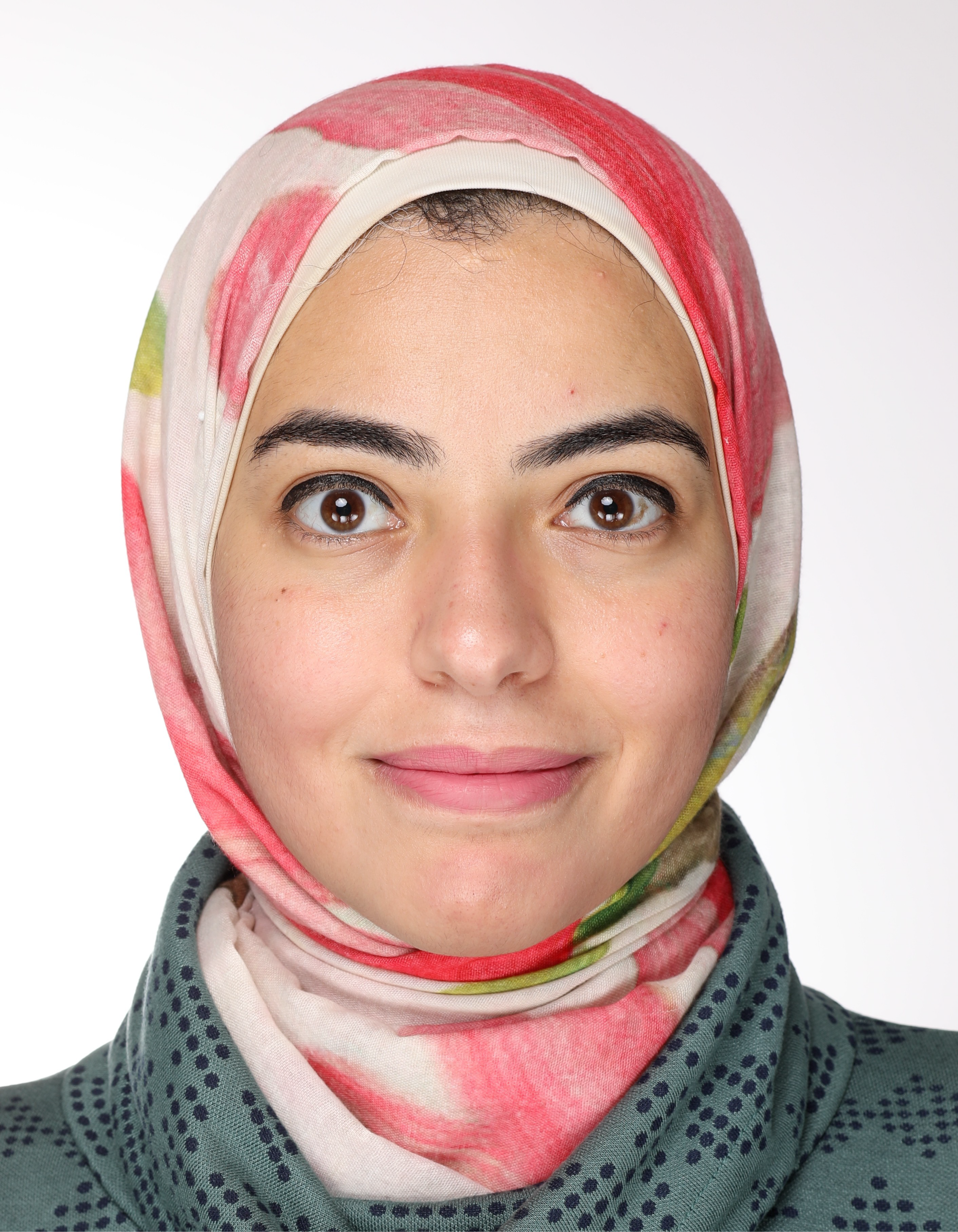
Nourhan began her career in Egypt with a bachelor’s degree in biotechnology and a teaching role at Cairo University. Her master’s research at the National Cancer Institute focused on miRNA-124 and FOXA2 in liver cancer. In 2018, she received a DAAD scholarship to pursue a Ph.D. in Prof. Götte’s lab at University Hospital Münster, Germany, investigating syndecan-1’s role in breast cancer radioresistance, resulting in multiple publications and awards. After her Ph.D., she worked on the BIOMET4D project in Prof. Krieg’s Lab at University Hospital Cologne, researching 4D biodegradable implants for dynamic tissue restoration. She also worked on developing a 3D organoid model to study sebaceous gland biology and pathology. She is currently working as a Lecturer at Biotechnology Department, Faculty of Science, Cairo University, Egypt. She is the funder of Egyptian Women’s Academic Network in Germany (EWAN) in GESR-eV.de.
Follow the Topic
-
3 Biotech
This is a hybrid journal that publishes results of the latest research related to the study and application of biotechnology to Medicine and Biomedical Sciences, Agriculture and the Environment.