Muslim communities’ identity transformation through the pela gandong ritual communication in Moluccas Immanuel Church, Indonesia
Published in Philosophy & Religion
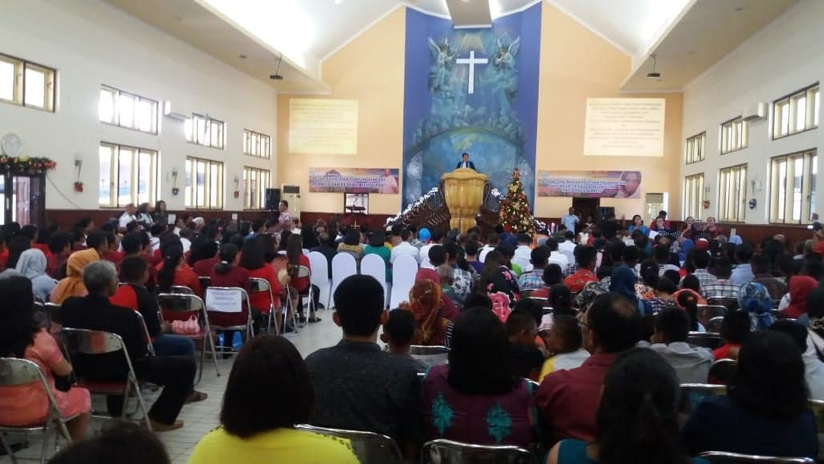
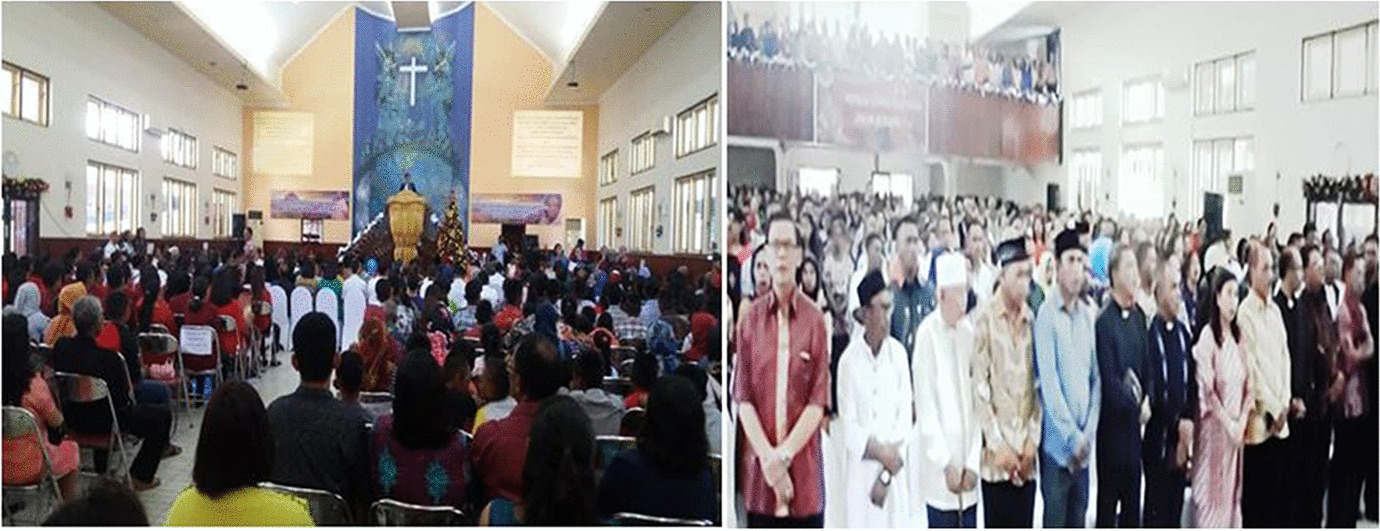

This study examines the identity transformation of Muslim communities in the Moluccas, Indonesia, through their involvement in the pela gandong ritual communication. The pela gandong ritual is a local tradition of kindred equivalence and social-community concern, where cross-religious populations (Muslim and Christian) have kinship ties. The study found that the Muslim community's participation in the ritual, which involved the use of religious symbols such as chanting the call to prayer and reciting the lafadz Rawi barzanji in the Immanuel Church, has led to a developed case of civic pluralism in the pre-conflict era. This cross-religious civic pluralism is seen as a necessary precondition for efforts to build theological pluralism.
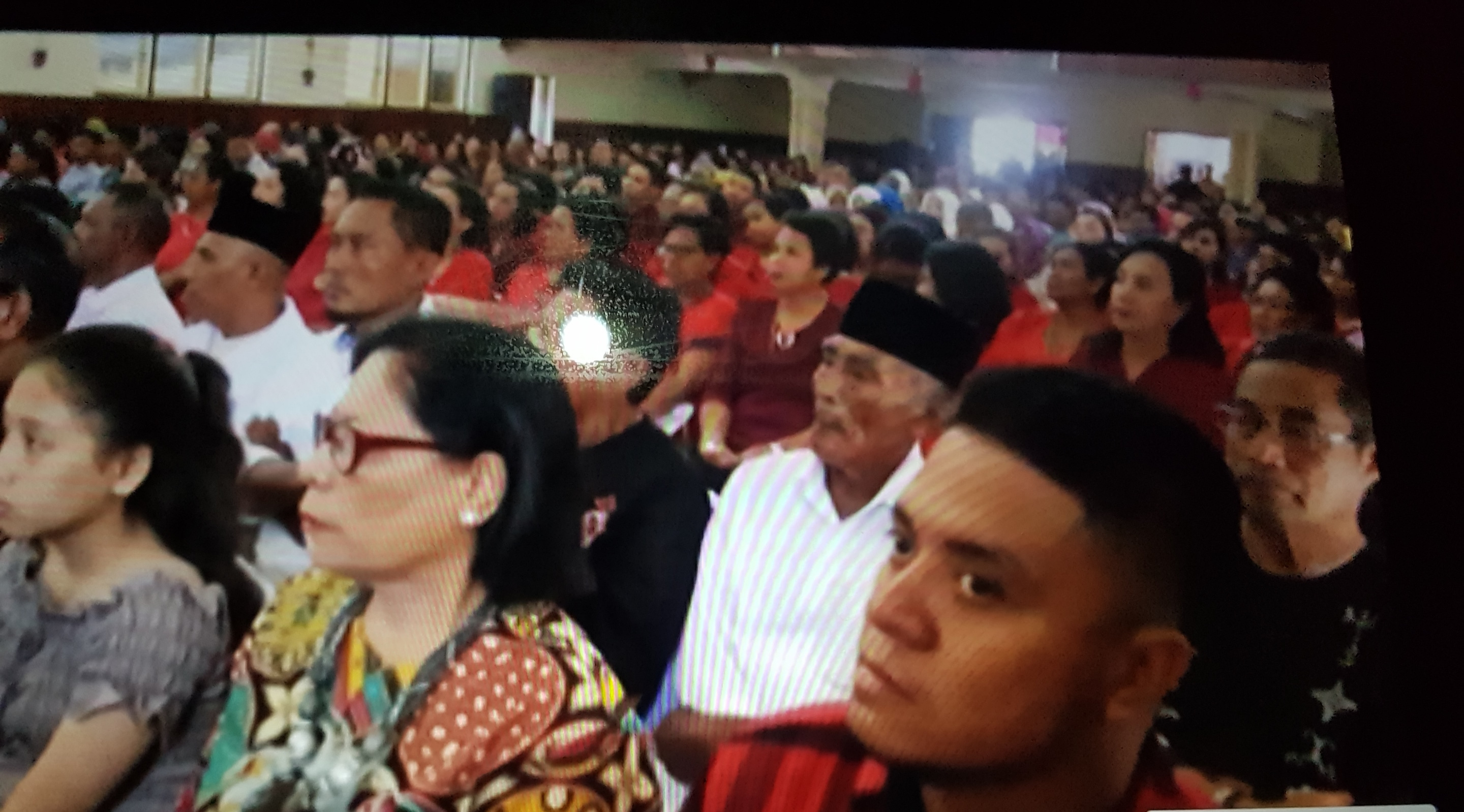
- The study focuses on the identity transformation of Muslim communities in the Moluccas, Indonesia, through their involvement in the pela gandong ritual communication.
- The pela gandong ritual is a local tradition that involves cross-religious populations (Muslim and Christian) and is characterized by kindred equivalence and social-community concern.
- The Muslim community's participation in the ritual, which involved the use of religious symbols such as chanting the call to prayer and reciting the lafadz Rawi barzanji in the Immanuel Church, has led to a developed case of civic pluralism in the pre-conflict era.
- Cross-religious civic pluralism is seen as a necessary precondition for efforts to build theological pluralism.
Several ndings explain that the involvement of the Muslim community undergoes a process of communication rituals about the cross-religious pela gandong beliefs and values—including diversity, togetherness, equality, kinship, and social–community concern—symbolizing the involvement that demonstrates self-identity. Involvement is described as part of Islam, Indigenous communities, and cross-religious kinship. Muslim community involvement is quite diverse in its reasons and objectives.
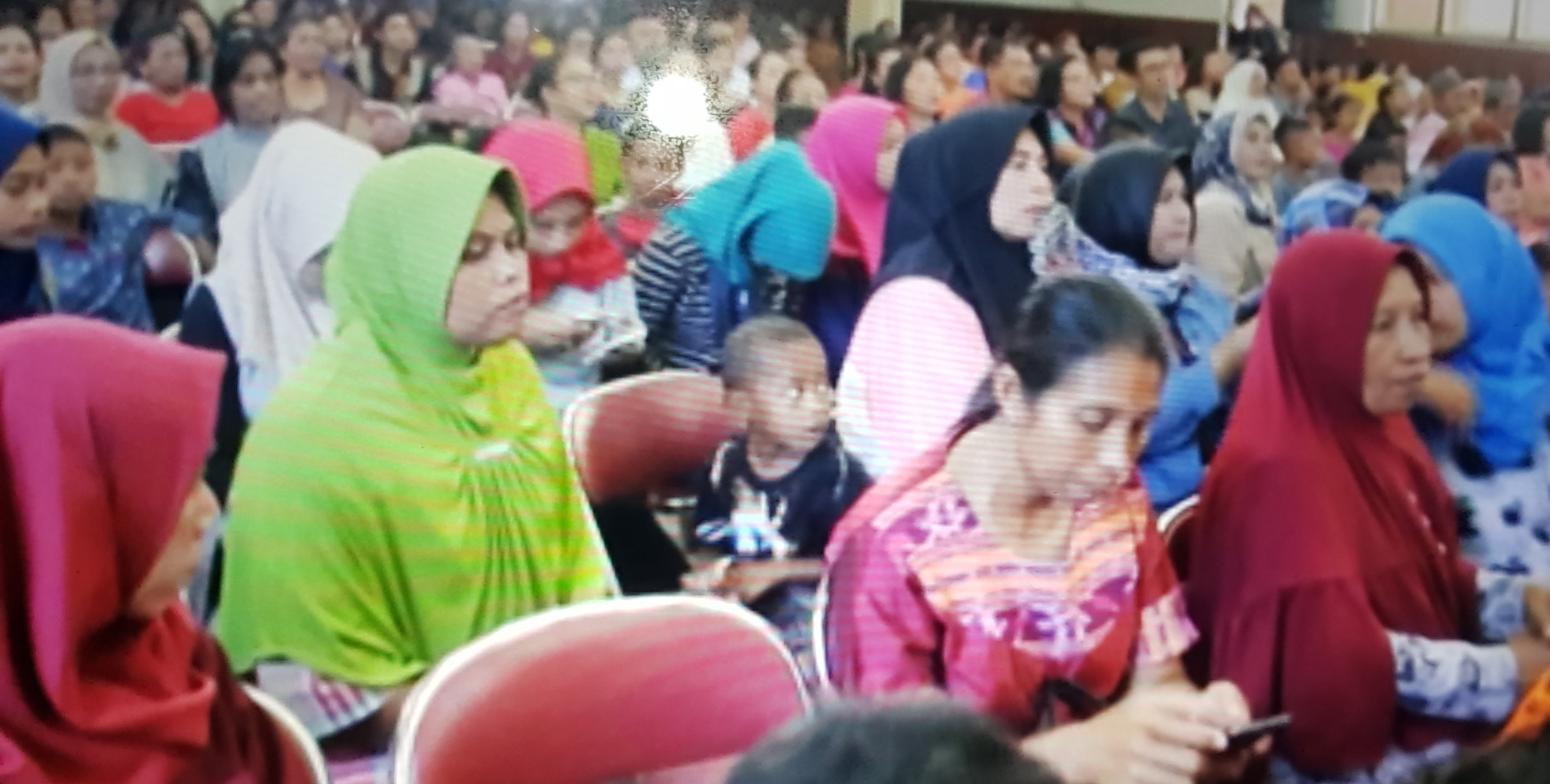
The Muslim community was involved as study subjects in rituals intended to cel- ebrate the rst Advent in Immanuel Church. The Muslim community can under- stand and explore in-depth the ritual communication process based on their daily life experiences, which shapes the social world in which they believe and develop into reality in social life.
The identity transformation of the Moluccas Muslim community involved in ritual communication has its own mutually sustainable meaning. The communica- tion experience illustrates the meaning derived from the conscious experience of the community performing the cross-religious ritual communication, such as self-identity proof, human kinship, relationships, acceptance treatment, and worship labels.
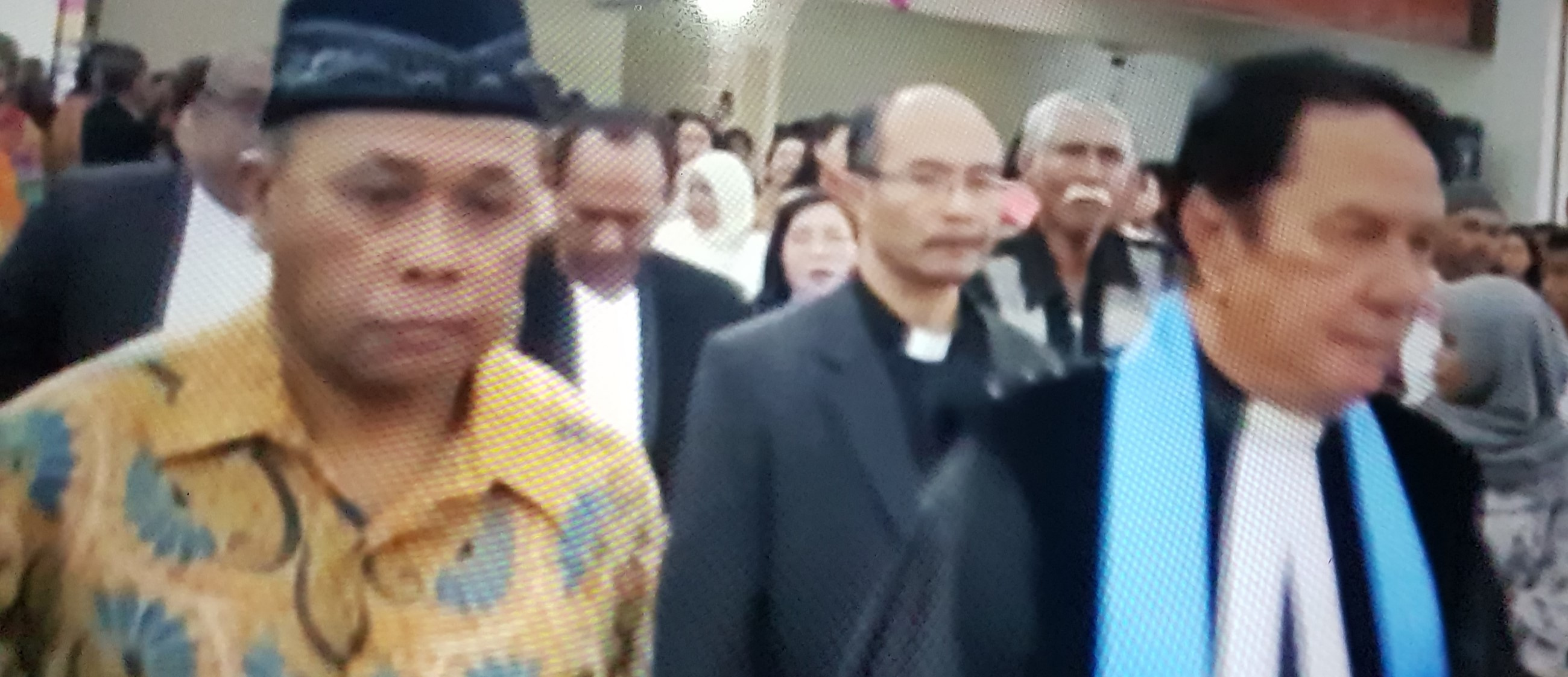
Pela gandong ritual communication emphasizes the meaning of symbols through ignorance, entrapment, and traditional and religious communication. This analy- sis shows the bene ts of cross-religious ritual communication studies in the digital era: modern technology and globalization a ect cross-religious pela gandong. The traditional values are transforming to build fraternal bonds of social identity. Cross- religious pela gandong as an inductive subject will enrich and develop social theory, especially the link with rituals that strengthen the scienti c foundation in the development and roots of social science.

Communication Sciences, Media Studies, Culture Studies, Ritual Communication, Health Communication, and Journalism.
Follow the Topic
-
Contemporary Islam
This journal publishes original empirical social science research that seeks to understand Islam as, or as part of, a social system.

Related Collections
With Collections, you can get published faster and increase your visibility.
Mobilizing Sharīʿa, Law, and Gender Justice in Contemporary Muslim Societies: Legal Pluralism, Lived Islam, and Social Change
This special issue examines how Islamic legal reasoning, state institutions, and social actors interact in shaping contemporary debates on gender justice, legal authority, and social change across Muslim societies. Focusing on lived legal and institutional practice rather than doctrinal argumentation alone, the issue explores how Sharīʿa-based reasoning is interpreted, negotiated, and mobilized within courts, bureaucracies, activist movements, religious institutions, digital publics, and everyday social life.
Bringing together interdisciplinary social science research, the collection investigates how legal pluralism operates in practice through the interaction of state law, Islamic legal traditions, customary norms, minority legal experiences, and transnational rights frameworks. Particular attention is given to the roles of women scholars, legal practitioners, activists, religious authorities, NGOs, and community actors in shaping debates concerning family law, labor rights, citizenship, migration, gender-based violence, and social welfare.
The special issue seeks empirically grounded contributions that illuminate the institutional, political, and social dynamics through which Islamic legal concepts acquire authority, legitimacy, and practical effect in contemporary contexts. Contributions examining Christian and other minority communities within Muslim-majority societies, including interreligious negotiations of legal authority and gender governance, are also welcome.
The issue particularly encourages scholarship emerging from and engaging diverse Global South contexts, including comparative and transnational perspectives that foreground local experiences, institutional practices, and lived realities.
By foregrounding lived Islam, legal pluralism, institutional practice, and socio-legal transformation, the issue contributes to broader discussions on law, gender, authority, religion, and social change in contemporary Muslim societies.
Thematic Description
The special issue is organized around four interconnected thematic areas that together examine the relationship between Islamic legal reasoning, institutional practice, legal pluralism, and gender justice in contemporary Muslim societies.
-
- Legal Pluralism and Institutional Practice: This theme explores how state law, Sharīʿa, customary norms, and informal mediation mechanisms interact within contemporary legal and institutional settings. Contributions may examine courts, bureaucracies, family law systems, hybrid legal orders, minority legal experiences, and everyday negotiations of legal authority.
- Gender, Religious Authority, and Legal Mobilization: This section focuses on how women scholars, activists, lawyers, religious authorities, and community actors engage Islamic legal traditions and religious authority in struggles over rights, participation, and social reform. Particular attention is given to institutional and community-based forms of legal advocacy, feminist engagement, and social mobilization.
- Lived Islam, Social Change, and Public Debate: This theme examines how Islamic ethical and legal concepts are negotiated in everyday social life, including within grassroots movements, religious communities, civic activism, minority communities, and public debates concerning gender, citizenship, and social justice.
- Transnational Legal Reform, Advocacy, and Social Change:
- This thematic thread examines how transnational networks, advocacy organizations, diaspora communities, and cross-border intellectual exchanges shape contemporary struggles over law, gender, and social reform in Muslim societies. Contributions may address the circulation of Islamic legal interpretations, feminist and reformist frameworks, NGO advocacy, minority negotiations of legal authority, and South–South collaborations concerning family law, citizenship, labor rights, violence, and social welfare. The section emphasizes the institutional, legal, and political processes through which ideas, reforms, and mobilizations circulate across local, regional, and global contexts.
The special issue particularly welcomes empirically grounded and interdisciplinary scholarship from sociology, anthropology, socio-legal studies, political science, gender studies, media studies, religious studies, and related fields. Comparative, transnational, and Global South perspectives are especially encouraged.
Submission DEADLINE:
Please submit your abstract for consideration by June 30, 2026, to the Lead Guest Editor.
Invitations for full papers will be sent in July 2026.
Please submit your paper by October 31 2026. Should you not be able to meet this deadline, please contact the Lead Guest Editor (contact details below).
Online SUBMISSION: Please use the journal’s online submissions system. Paper submissions via email are not accepted.
Author Submission’s GUIDELINES: Authors are asked to prepare their manuscripts according to the journal’s standard submission guidelines.
EDITORIAL PROCESS:
-
- When uploading your paper, please indicate it is for consideration in relation to Mobilizing Sharīʿa, Law, and Gender Justice in Contemporary Muslim Societies
- All papers will undergo the journal’s standard review procedure (double-blind peer-review), according to the journal’s Peer Review Policy, Process and Guidance
- Reviewers will be selected according to the Peer Reviewer Selection policies.
- This journal offers the option to publish Open Access. You are allowed to publish open access through Open Choice. Please explore the OA options available through your institution by referring to our list of OA Transformative Agreements.
CONTACT: For any questions, please directly contact the Lead Guest Editor: Dr. Jihan Zakarriya jiza@hum.ku.dk
Publishing Model: Hybrid
Deadline: Oct 31, 2026
Emergent Issues in Muslim Life
Emergent Issues in Muslim Life is a permanent collection of Contemporary Islam: Dynamics of Muslim Life. It provides a dedicated space for short, intellectually engaged contributions called Comments, from scholars whose expertise bears directly on urgent and contemporary dynamics in Muslim communities worldwide. It is a space for timely scholarly reflection, not for full research articles.
The section is premised on a straightforward recognition: some of the most pressing questions that arise in the study of Muslim communities, identities, and practices do not wait for the completion of multi-year research projects. They emerge from political crises, from policy shifts, from moments of public controversy, from legal rulings, from media events, from displacement and migration — and they deserve scholarly attention at the moment they arise, not two or three years after the fact.
Emergent Issues in Muslim Life is designed to make that kind of timely, expert scholarly engagement possible within the pages of a rigorous academic journal.
Contributions should engage with dynamics that fall within the intellectual scope of Contemporary Islam. The section is particularly, though not exclusively, suited to pieces that address:
- Muslim politics and public life: responses to elections, legal rulings, policy changes, civil society mobilisations, or shifts in the relationship between Muslim communities and state institutions.
- Gender, the body, and sexuality: developments in public or policy debates around Muslim women, family law, dress, reproductive rights, LGBTQ+ issues, or the intersection of Islamic normativity and state governance.
- Urban space, migration, and belonging: responses to displacement crises, border policies, urban restructuring, housing discrimination, or citizenship disputes that directly affect Muslim communities.
- Media, representation, and public discourse: scholarly analysis of significant media events, documentary films, social media controversies, or public debates in which Muslim identity, practice, or belonging is at stake.
- Environment, health, and social welfare: interventions addressing Muslim communities’ engagement with ecological crises, public health emergencies, or welfare institutions.
- Lived religious practice and change: analytical reflections on observable shifts in ritual practice, piety, religious authority, or community organisation that warrant timely scholarly attention.
As with the journal’s main articles, contributions must be grounded in scholarly expertise. The section does not publish opinion pieces, advocacy writing, theological argument, or normative jurisprudential reflection. It is a space for analytical and empirical expertise directed at contemporary dynamics.
Comments submitted to Emergent Issues in Muslim Life are not subject to the journal’s double-blind peer review process but are reviewed and assessed by editors. Research articles remain subject to the journal’s double-blind peer review process and a piece cannot be submitted simultaneously as a Research Article and Comment.
Publishing Model: Hybrid
Deadline: Ongoing