New Super Collection: Climate Change and Livestock
Published in Ecology & Evolution, Sustainability, and Agricultural & Food Science

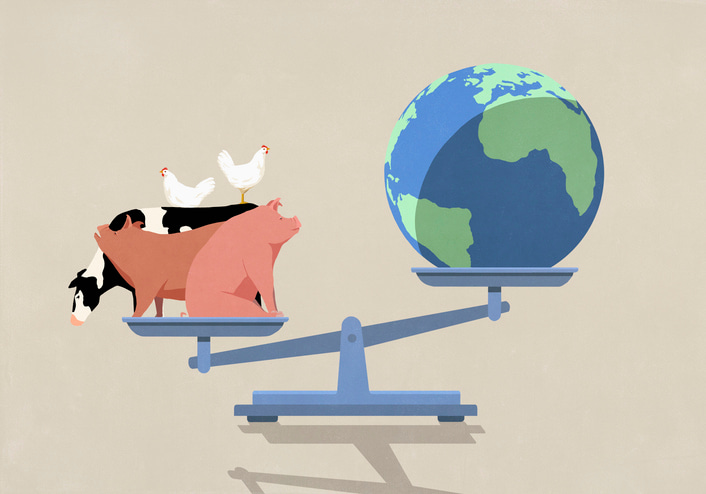
As global temperatures rise, understanding how climate change affects livestock health, productivity, welfare, and sustainability has never been more critical. At the same time, livestock systems play a significant role in shaping climate outcomes – from greenhouse gas emissions to land-use dynamics. Advancing research on both sides of this relationship is essential for building resilient food systems and supporting evidence-based climate action.
This super collection features collections from four open access journals focusing on different livestock research areas: Dairy, Poultry, Aquaculture and Porcine. This super collection offers a unified platform for researchers across disciplines to share insights, propose solutions, and drive innovation. We invite you to explore the calls for papers and submit your work to the collection that best fits your expertise:
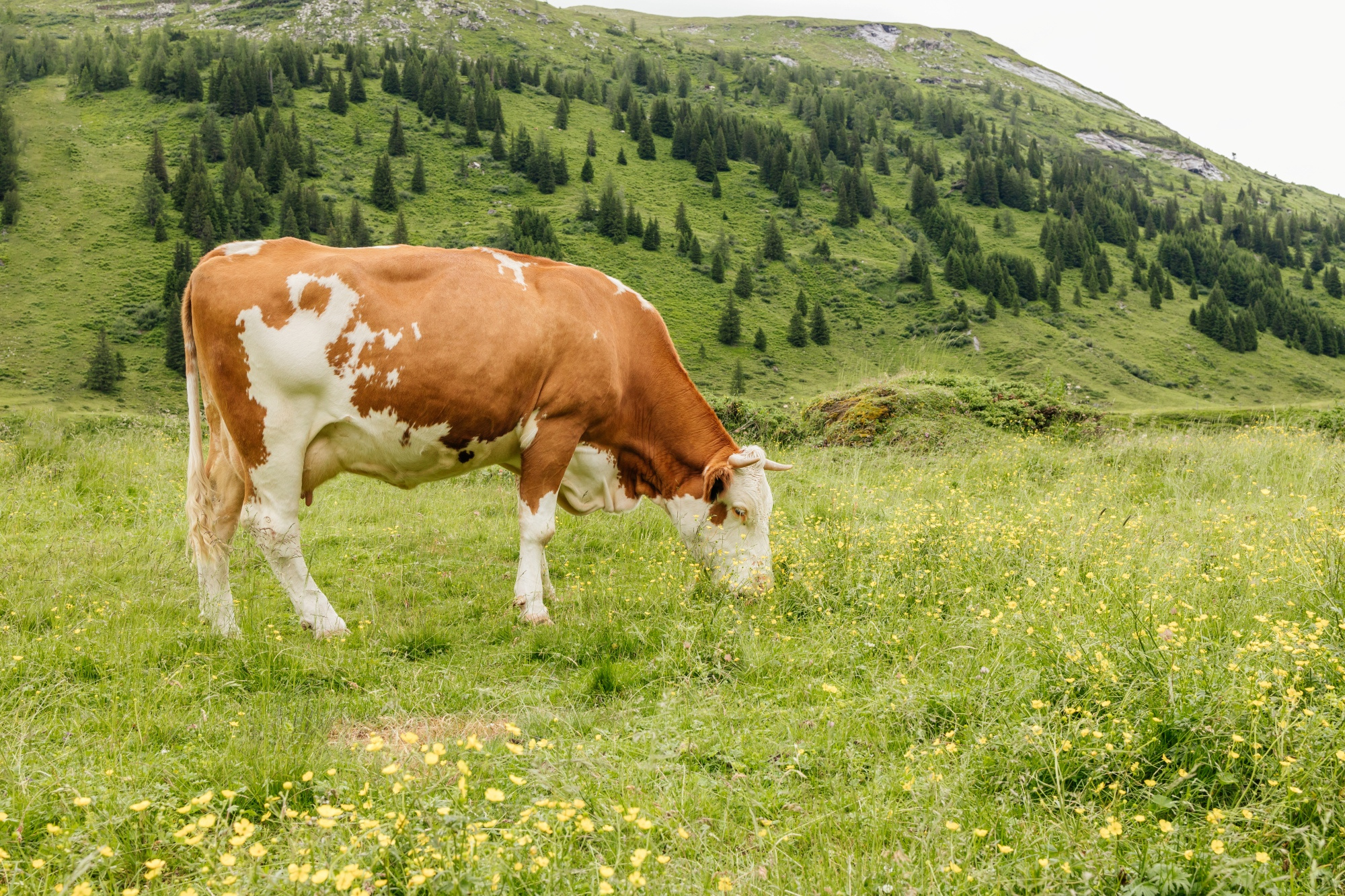
Collection: Climate change and dairy: strategies for thermotolerance, methane reduction and sustainable grazing
Managed by: Giampiero Grossi and Andrea Vitali, both from Università degli Studi della Tuscia, Italy
This Collection aims to explore innovative strategies for enhancing thermotolerance in dairy cattle, reducing methane emissions, and implementing sustainable grazing practices. Improving our understanding of thermotolerance in dairy animals can lead to better management practices that enhance animal welfare, productivity, and ultimately, food security.
As a newly launched journal, Dairy Science and Management has a limited number of full APC waivers available for manuscripts submitted up to 31 December 2026, which will be allocated on a case-by-case basis.
Poultry Science and Management
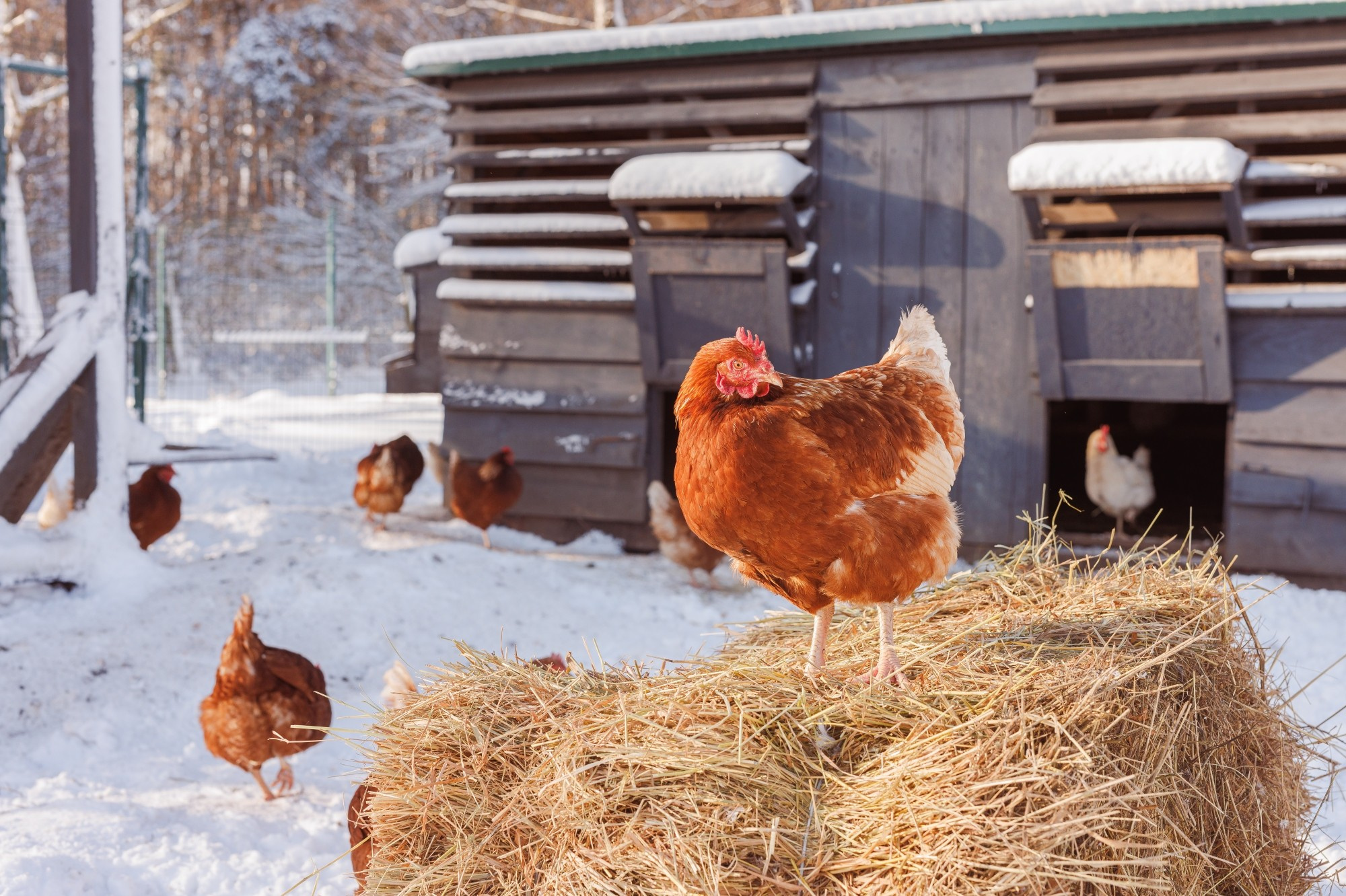
Collection: Aspects of sustainable poultry production: strategies for managing heat stress and manure
Managed by: Robson Mateus Freitas Silveira from Universidade de São Paulo, Brazil
This Collection aims to address challenges and solutions that promote sustainable agriculture, focused on effective strategies for managing heat stress and manure in poultry production. Topics can include, but are not limited to, barn climate optimisation, environmental impact assessments and nutritional strategies for heat-stressed birds.
As a newly launched journal, Poultry Science and Management has a limited number of full APC waivers available for manuscripts submitted up to 31 December 2026, which will be allocated on a case-by-case basis.
Aquaculture Science and Management
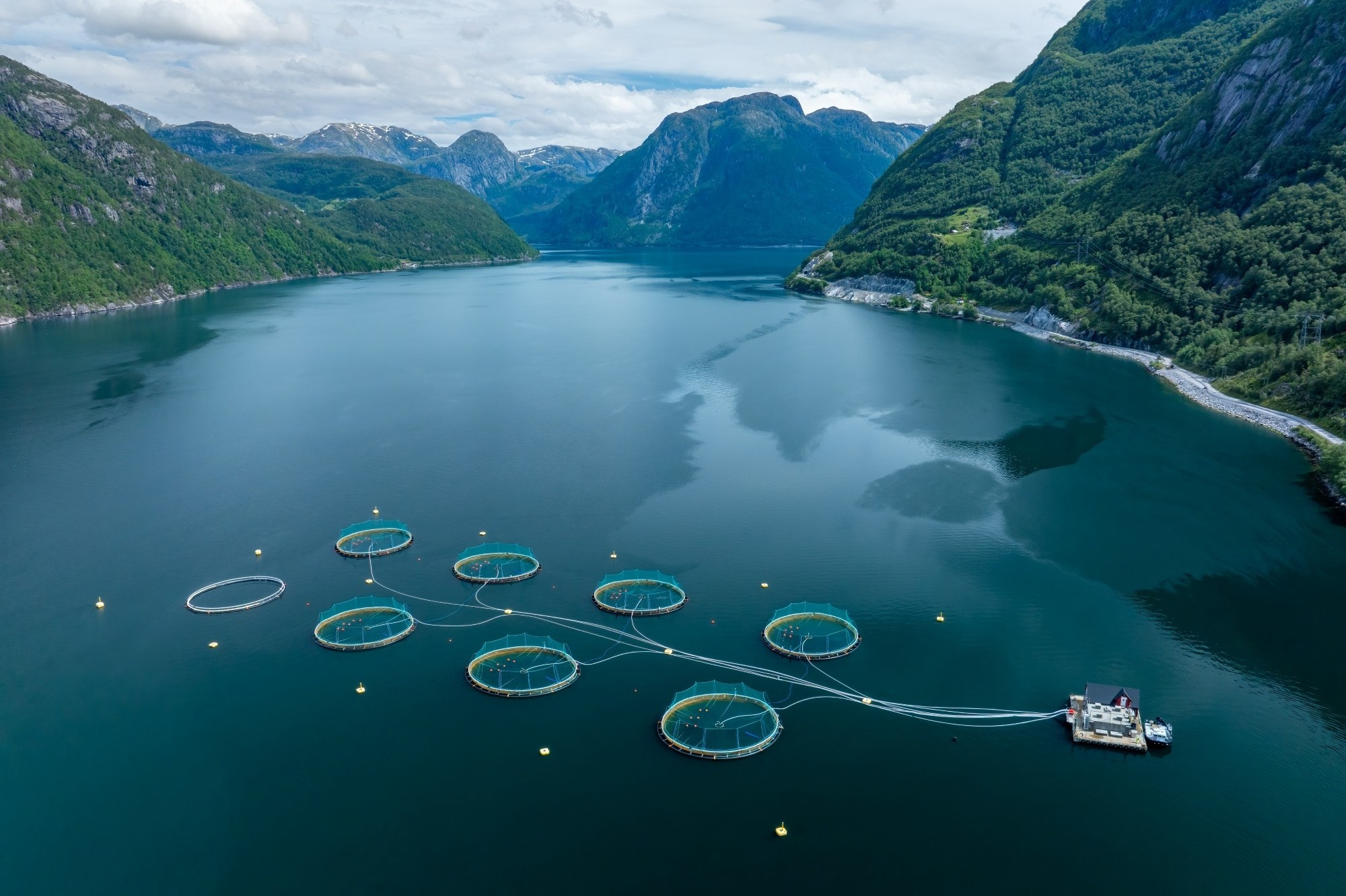
Collection: Synergizing aquaculture & blue carbon in a changing climate
Managed by: Emily Moberg from World Wildlife Fund, US, and Christian Larbi Ayisi from University of Environment and Sustainable Development, Ghana
This Collection explores how aquaculture can contribute to climate mitigation strategies, including the enhancement of carbon storage and the restoration of coastal habitats, investigating the intersection of aquaculture practices and blue carbon sequestration in coastal ecosystems.
As a newly launched journal, Aquaculture Science and Management has a limited number of full APC waivers available for manuscripts submitted up to 31 December 2026, which will be allocated on a case-by-case basis.
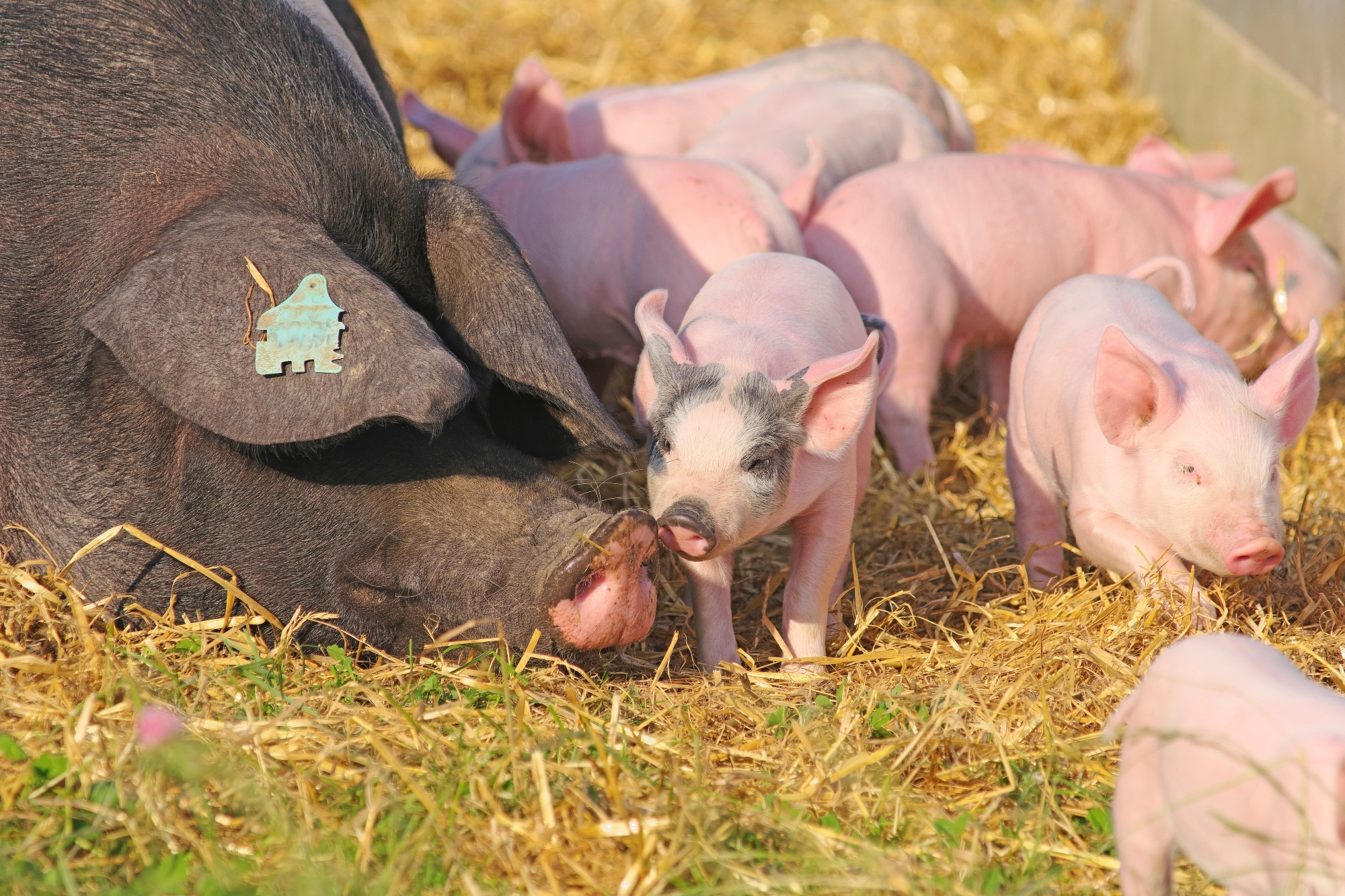
Collection: Porcine agriculture under climate stress: thermotolerance, nitrogen transformation and sustainable land use
Managed by: Gunther Schauberger, University of Veterinary Medicine Vienna, Austria
This Collection seeks to explore the interplay between pig production and climate stress, focusing on thermotolerance, nitrogen transformation, and sustainable land use practices. It aims to highlight innovative research and strategies that can contribute to the resilience of pig farming in the face of climate change, promoting sustainable agricultural practices that align with global sustainability goals.
Porcine Health Management is the official journal of the European College for Porcine Health Management (ECPHM).
Join us in advancing the science that will shape the future of sustainable livestock systems. All of these collections welcome original research articles, reviews, correspondence and case reports. Any queries about the collections, submissions or waivers should be directed to Alex Waite at alex.waite@springernature.com.
Follow the Topic
-
Porcine Health Management
This is an open access peer-reviewed journal that aims to publish relevant, novel and revised information regarding all aspects of swine health medicine and production.
-
Dairy Science and Management
This is an open access peer-reviewed journal that aims to publish innovative research about the management of dairy animals, the production of dairy products and the related food security considerations.
-
Poultry Science and Management
This is an open access peer-reviewed journal that aims to publish innovative research about the management of poultry animals for both meat and eggs, the production of poultry products and the related food security considerations.
-
Aquaculture Science and Management
This is an open access peer-reviewed journal that aims to publish innovative research about the management of aquaculture species, the related food security considerations, and the industry’s relationship with the environment.




Related Collections
With Collections, you can get published faster and increase your visibility.
Porcine agriculture under climate stress: thermotolerance, nitrogen transformation and sustainable land use
This Collection seeks to explore the interplay between pig production and climate stress, focusing on thermotolerance, nitrogen transformation, and sustainable land use practices. The aim is to highlight innovative research and strategies that can contribute to the resilience of pig farming in the face of climate change, promoting sustainable agricultural practices that align with global sustainability goals. Uniting four journals and scientific communities, this Collection is a part of the Climate Change and Livestock super Collection which highlights innovative, climate-smart approaches to safeguarding animal health and welfare across aquaculture, porcine, dairy and poultry. We invite researchers to contribute to this special Collection by submitting their findings and perspectives. Topics of interest include but are not limited to:
- Thermotolerance mechanisms in pigs
- Sustainable nitrogen management in pig production
- Climate adaptation strategies for swine farmers
- Impact of climate change on pig health and welfare
- Innovative land use practices in swine agriculture
- Genetic selection for heat resilience
- Nutritional strategies to enhance thermotolerance
- Economic implications of climate stress on pig farming
This Collection supports and amplifies research related to SDG 13, Climate Action.
All submissions in this Collection undergo the journal’s standard peer review process. Similarly, all manuscripts authored by a Guest Editor(s) will be handled by the Editor-in-Chief.
For additional support please visit OA funding and support, or email OAfundingpolicy@springernature.com or the Editor-in-Chief.
Publishing Model: Open Access
Deadline: Apr 01, 2027
Climate change and dairy: strategies for thermotolerance, methane reduction and sustainable grazing
Dairy production is not only vital for global food security but also significantly contributes to greenhouse gas (GHG) emissions, particularly methane. By focusing on strategies for thermotolerance, methane reduction, and sustainable grazing, we can enhance the resilience of milk cattle and ensure the sustainability of dairy systems in the face of climate challenges. Climate change poses a formidable threat to agricultural productivity, particularly in regions where dairy farming is a cornerstone of rural economies. Uniting four journals and scientific communities, this Collection is a part of the Climate Change and Livestock super Collection which highlights innovative, climate-smart approaches to safeguarding animal health and welfare across aquaculture, porcine, dairy and poultry.
Improving our understanding of thermotolerance in dairy animals can lead to better management practices that enhance animal welfare, productivity, and ultimately, food security. Research into dietary interventions and feed additives has shown promise in reducing methane emissions from enteric fermentation, highlighting the potential for improved feed efficiency and reduced environmental impact. Genetic selection for thermotolerant traits could become more sophisticated, enabling the development of breeds that are better adapted to a changing climate. Additionally, innovative approaches to grazing management, such as agroforestry systems and rotational grazing, could further enhance the sustainability of dairy production while promoting carbon sequestration. In light of these considerations, we invite researchers to contribute to this special Collection by submitting original research articles and reviews. Topics of interest include but are not limited to:
- Strategies for enhancing thermotolerance in dairy cattle
- Innovative practices in grazing management
- Methane reduction techniques in dairy farming
- The impact of climate change on dairy productivity
- Genetic selection for climate resilience in dairy animals
- Sustainable feed practices for reduced GHG emissions
- Economic implications of climate-smart dairy practices
- Policy frameworks supporting sustainable dairy management
This Collection supports and amplifies research related to SDG 13: Climate Action and SDG 15: Life on Land.
All submissions in this Collection undergo the journal’s standard peer review process. Similarly, all manuscripts authored by a Guest Editor(s) will be handled by the Editor-in-Chief. As a newly launched open access publication, this journal has waivers to cover article-processing charges (APCs). For more information about receiving a waiver, please contact alex.waite@springernature.com before submitting a manuscript. For additional support please visit OA funding and support, or email OAfundingpolicy@springernature.com or the Editor-in-Chief.
Publishing Model: Open Access
Deadline: Feb 15, 2027