Psychedelic Substances Research: Meet co-EiC Ovie Albert
Published in Biomedical Research, General & Internal Medicine, and Pharmacy & Pharmacology

Psychedelic Substances Research is a new open access journal published by BMC covering all topics pertaining to psychedelic or hallucinogenic substances. The journal welcomes research and commentary of different formats covering basic, clinical and translational research, as well as epidemiology, social science, cultural studies, policy, commerce and general health & wellbeing.
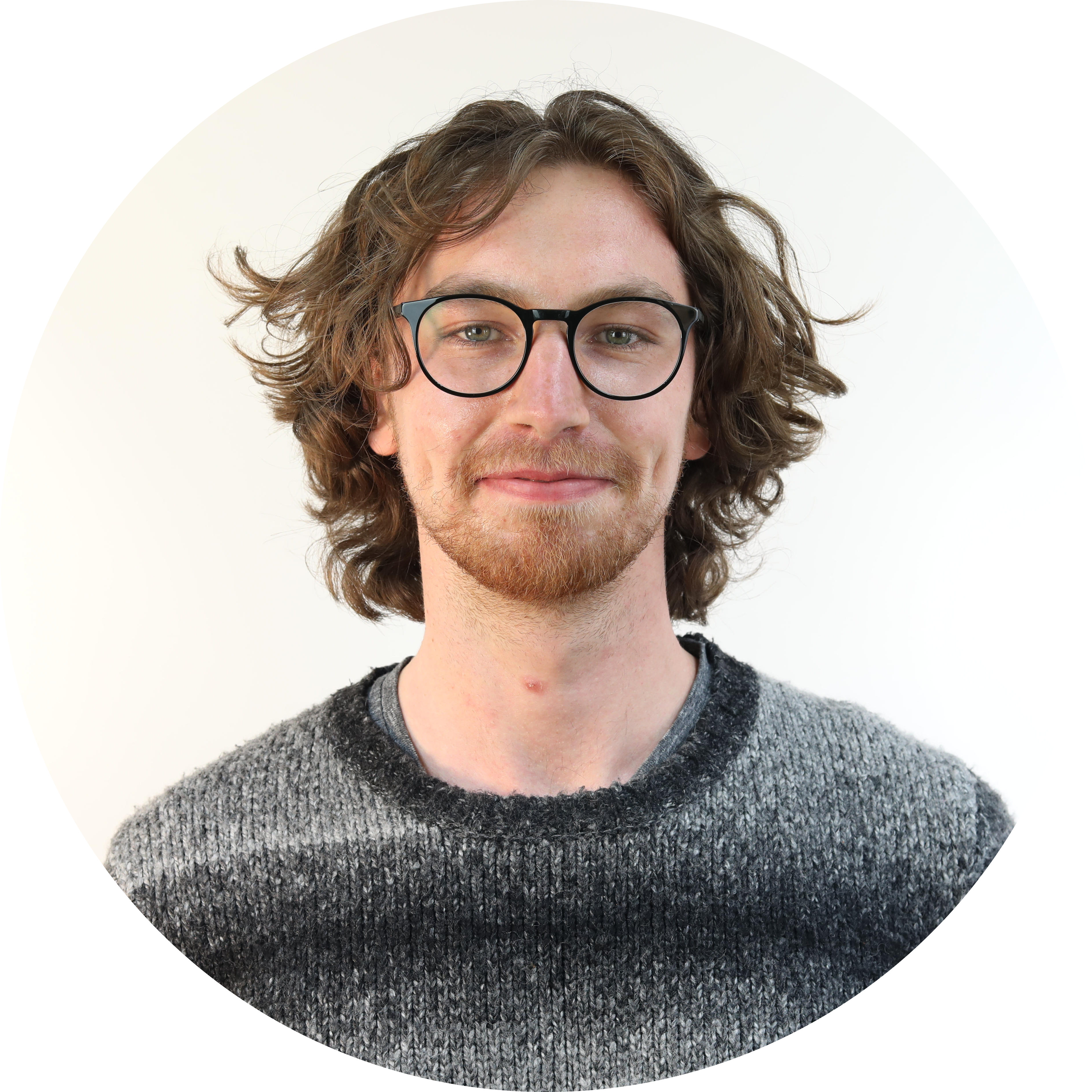
Dr. Ovie Albert, MBBS, MSc, ISAM (C), FASAM has joined as one of the Journal's inaugural Co-Editors-in-Chief, along with Dr Ariel Richer (University of Utah, US). Here, he talks about his career and interest in psychedelic science.
 |
Sign-up to receive publication alerts | Join our Editorial Board | Take advantage of free publication
What made you say yes to our invitation to join as Co-EiC of Psychedelic Substances Research?
I said yes because a field this young only gets one chance to set its habits, and I wanted a hand in setting them. Psychedelic science is at the stage where the evidence is strong enough to interest regulators and still too thin to settle practice, so leading a journal that is so well-placed to influence the evidence base is exciting. It is an honour, as well as a great deal of work, and I accepted both.
Tell us about your career path and how it shaped the editor you intend to be.
I trained in medicine in Nigeria and now practise addiction medicine in Canada. I research the substances people consume in the real-world rather than just those studied in trials. That path taught me two things: substances under investigation are also substances people take outside any protocol, so a clinical journal that ignores real-world consumption describes only half the picture; and having trained in the Global South and worked in the North, I know how easily good research from under-resourced settings is waved away as premature or low-impact. I intend to be the editor I sometimes wished I had.
Why does trusted psychedelic science matter now, specifically?
Because psychedelic practice is expanding faster than the evidence needed to guide it safely. There are prescribers in one country, wellness markets in another, and retreat centres and underground facilitators everywhere, not to mention the US where state-level disparities are significant. All of these are driven by consumers and operate ahead of what we reliably know. People are harmed and the field loses credibility when practice outpaces evidence. A trustworthy journal helps a young field earn the right to be taken seriously by counting harms as carefully as benefits and publishing what is true - positive and negative - not merely what is promising.
What is your vision for the journal's first years?
My first priority is to ensure that careful, sound science enters the record early enough to shape the field. In an emerging area, the danger is not simply that an early study may have limitations; limitations can be identified, debated and addressed through subsequent work. The deeper danger is creating a culture in which rigorous research is rejected merely because the questions are new, the evidence is still developing or the conclusions are not yet definitive. If sound early work cannot be published, nothing accumulates for the next study to build on.
I want the journal to make room for methodologically serious, intellectually honest research, even when it is preliminary or challenges prevailing narratives. That is not a lowering of standards, but an application of standards appropriate to the question and maturity of the evidence, with clarity about what each study can establish. Authors should experience this as rigorous collaboration: challenged where their work needs strengthening, but treated as colleagues in making the evidence clearer and more reliable, and not simply as recipients of an editorial decision.
You have described reciprocity between authors and journals. How will that shape how this journal treats the people who submit to it?
Directly. In a paper published by the journal Research Ethics , my co-author and I argued that the relationship between an author and a journal is a reciprocal one, and that the obligations do not run in a single direction. An author who entrusts you with years of work is owed a fair hearing, a clear decision, and to be treated with dignity whatever the outcome. A rejection can be delivered with respect or with contempt, and there is no excuse for the second. That principle will govern how this journal corresponds with the people who submit to it.
What research are you most eager to see, and what would you say to early-career researchers and those from the Global South?
I want the clinical questions that decide whether these compounds reach patients: how long a response lasts, who is left out of trials, what happens in real-world programmes, and what harms go uncounted. And I want that work from everywhere, including West Africa, South Asia and Latin America, where the compounds are cheap, the disorders common, and the trials largely absent. To early-career and Global South researchers: your setting is not a disadvantage to apologise for. Where a reviewer finds your methods unfamiliar, this journal will ask before it rejects.
Follow the Topic
-
Psychedelic Substances Research
This is a fully open access, peer-reviewed journal publishing research and commentary on the use of psychedelic substances in medicine, psychology and psychotherapy.