Robotic Management of Complex Ileal Conduit Complications
Published in Cancer, General & Internal Medicine, and Surgery


Our study presents four distinct reconstructive scenarios:
- Unilateral uretero-ileal stricture
- Bilateral uretero-ileal strictures requiring creation of a new conduit
- Delayed conduit torsion with parastomal hernia
- Crossed ureters requiring corrective reconstruction
Although each complication required a different surgical solution, several principles were consistent across the cases:
Confirm the anatomy before reconstruction.
In reoperative surgery, fibrosis and altered anatomy can make ureteral identification challenging. Techniques such as antegrade methylene blue, saline injection, ICG, and direct lumen confirmation can help establish ureteral identity and laterality.
Reconstruct using healthy tissue.
Compromised or stenotic segments should be excised or bypassed, with adequate ureteral spatulation and preservation of vascularity.
Avoid tension and respect orientation.
Conduit length, ureteral reach, and spatial orientation are critical, particularly in bilateral reconstruction and revision of crossed ureters.
Treat the underlying mechanism—not simply the obstruction.
A ureteroenteric stricture requires a fundamentally different strategy from conduit torsion or a parastomal defect. In the torsion case, for example, correcting the conduit-stoma-abdominal wall axis was an essential component of the reconstruction.
The central message from this work is that complex ileal conduit revision should be approached as a mechanism-specific reconstructive problem. Robotic surgery provides visualization and dexterity that can facilitate these technically demanding revisions, but successful reconstruction ultimately depends on accurate anatomic assessment and selecting the repair that best addresses the underlying defect.
We hope this technical framework can contribute to a more structured approach to complex urinary diversion revision and stimulate further investigation into the long-term outcomes of robotic reconstructive strategies.
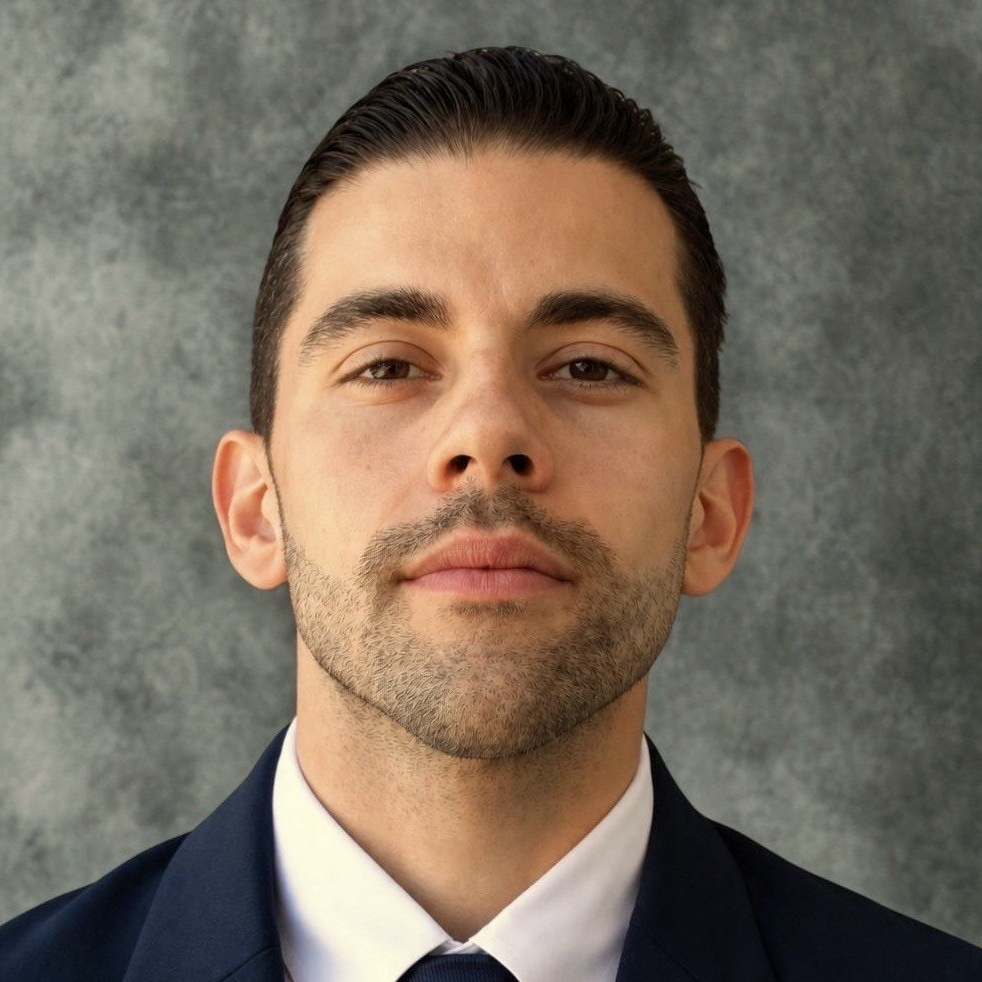
IMG physician and Research Fellow at USC with a background in Urology and General Surgery, with experience in robotic surgery, minimally invasive surgery, oncology, reconstructive urology, and outcomes research. My work focuses on academic research, surgical education, clinical outcomes, and innovation in surgical techniques. I have been involved in multiple publications, abstracts, and U.S. surgical rotations with exposure to laparoscopic and robotic surgery. I am interested in academic surgery, surgical training, and advancing patient care through research and technology.
Follow the Topic
-
Journal of Robotic Surgery
JORS is a peer-reviewed publication dedicated to advancing the field of robotic surgery through the dissemination of cutting-edge research, technological developments, and clinical innovations.