The Nanoplastic Proteostatic Panflemmosis Metabolic Continuum (NPPMC): A Systems Framework for Understanding Chronic Biological Responses to Nanoplastic Exposure
Published in Bioengineering & Biotechnology
Nanoplastics have quietly crossed an important threshold. They are no longer confined to environmental monitoring reports or ecological risk assessments. They are increasingly being documented within biological systems. Yet despite the growing volume of evidence, the field still lacks a coherent explanation for how exposure translates into long-term biological consequence.
The problem is not a shortage of observations. It is a shortage of integration.
Research on gut–organ communication has reinforced the importance of barrier integrity as a determinant of systemic physiology rather than a simple anatomical function (Nie et al., 2024). Reports describing microplastics and nanoplastics in neural contexts have expanded concern beyond exposure itself toward questions of developmental and neurological vulnerability (Ragusa & Fanos, 2025). Simultaneously, advances in artificial intelligence are improving the detection and characterization of plastic contamination across increasingly complex environmental and food matrices (Rawat et al., 2025).
These developments are significant. They are not, however, sufficient.
Exposure can be measured. Distribution can be mapped. Individual mechanisms can be described. What remains unresolved is the biological logic connecting these observations across scales. How does a molecular interaction become a systems disturbance? At what point does a localized adaptive response evolve into persistent physiological dysfunction? Existing toxicological frameworks provide important pieces of the puzzle, yet they rarely explain how these pieces fit together.
The present work addresses this gap through a systems-oriented perspective. It advances the proposition that nanoplastic-associated biological effects may be better understood not as isolated toxicological events but as interconnected processes operating across proteostatic regulation, inflammatory signaling, and metabolic adaptation. Within this context, the Nanoplastic Proteostatic Panflemmosis Metabolic Continuum (NPPMC) is introduced as a conceptual architecture linking nanoplastic identity transformation, proteostatic disruption, chronic inflammatory propagation, and metabolic reprogramming within a unified biological trajectory.
This perspective further builds upon emerging work in Digital Nano-Plastic Science (DNPS) (Reyed, 2026b), Polybiome Systems Medicine (Reyed, 2026c), neuroinflammatory and autophagic regulation (Reyed & Prabhakar, 2026a), and panflemmotic mechanisms associated with chronic disease progression and tumorigenesis (Reyed & Prabhakar, 2026b). The objective is not to claim a definitive mechanism. It is to establish a framework through which increasingly fragmented observations can be interpreted, challenged, and tested within a broader systems-biology context.
As evidence continues to accumulate across environmental, clinical, and computational domains, the central challenge may no longer be detecting nanoplastic exposure. The greater challenge is understanding its place within the architecture of biological dysfunction.
Key References Supporting the Framework:
Nie, H. Y., Ge, J., Huang, G. X., Liu, K. G., Yue, Y., Li, H., Lin, H. G., Zhang, T., Yan, H. F., Xu, B. X., Sun, H. W., Yang, J. W., Si, S. Y., Zhou, J. L., & Cui, Y. (2024). New insights into the intestinal barrier through “gut-organ” axes and a glimpse of microgravity’s effects on intestinal barrier. Frontiers in Physiology, 15, 1465649. https://doi.org/10.3389/fphys.2024.1465649
Ragusa, A., & Fanos, V. (2025). Microplastics and nanoplastics in the brain: a review of the neurodevelopmental risks. Journal of Pediatric and Neonatal Individualized Medicine (JPNIM), 14(2), e140206. https://doi.org/10.7363/140206
Rawat, H., Gaur, A., Singh, N., Selvaraj, M., Karnwal, A., Pant, G., & Malik, T. (2025). Artificial intelligence-driven detection of microplastics in food: A comprehensive review of sources, health risks, detection techniques, and emerging artificial intelligence solutions. Food Chemistry: X, 29, 102687. https://doi.org/10.1016/j.fochx.2025.102687
Reyed, R. M. (2026b). Digital Nano-Plastic Science (DNPS) paradigm: Computational intelligence and proteostasis disruptions. Zenodo. https://doi.org/10.5281/zenodo.18435353
Reyed, R. M. (2026c). Polybiome systems medicine: Conceptual architecture, methodological foundations, and translational applications — Volume I: Vision and foundational methodology (Version 0.2). Zenodo. https://doi.org/10.5281/zenodo.19258533
Reyed, R. M., & Prabhakar, P. K. (2026a). Modulating neuroinflammation and autophagy in psychiatric disorders through mechanisms and therapies: Therapeutic strategies and pathways. In T. Mokhtari & K. Uludag (Eds.), Autophagy and inflammation in neuropsychological disorders (pp. 61–124). IGI Global Scientific Publishing. https://doi.org/10.4018/979-8-3693-5908-2.ch003
Reyed, R. M., & Prabhakar, P. K. (2026b). Chapter 8 - Panflemmotic triggers to metastatic pathways: Complex signatures of tumorigenesis in the colonic microenvironment. In A. Kumar, N. Mishra, A. K. Singh, A. Pareek, & P. K. Prabhakar (Eds.), Inflammation and cancer (pp. 247–346). Academic Press. https://doi.org/10.1016/B978-0-443-36500-3.00008-
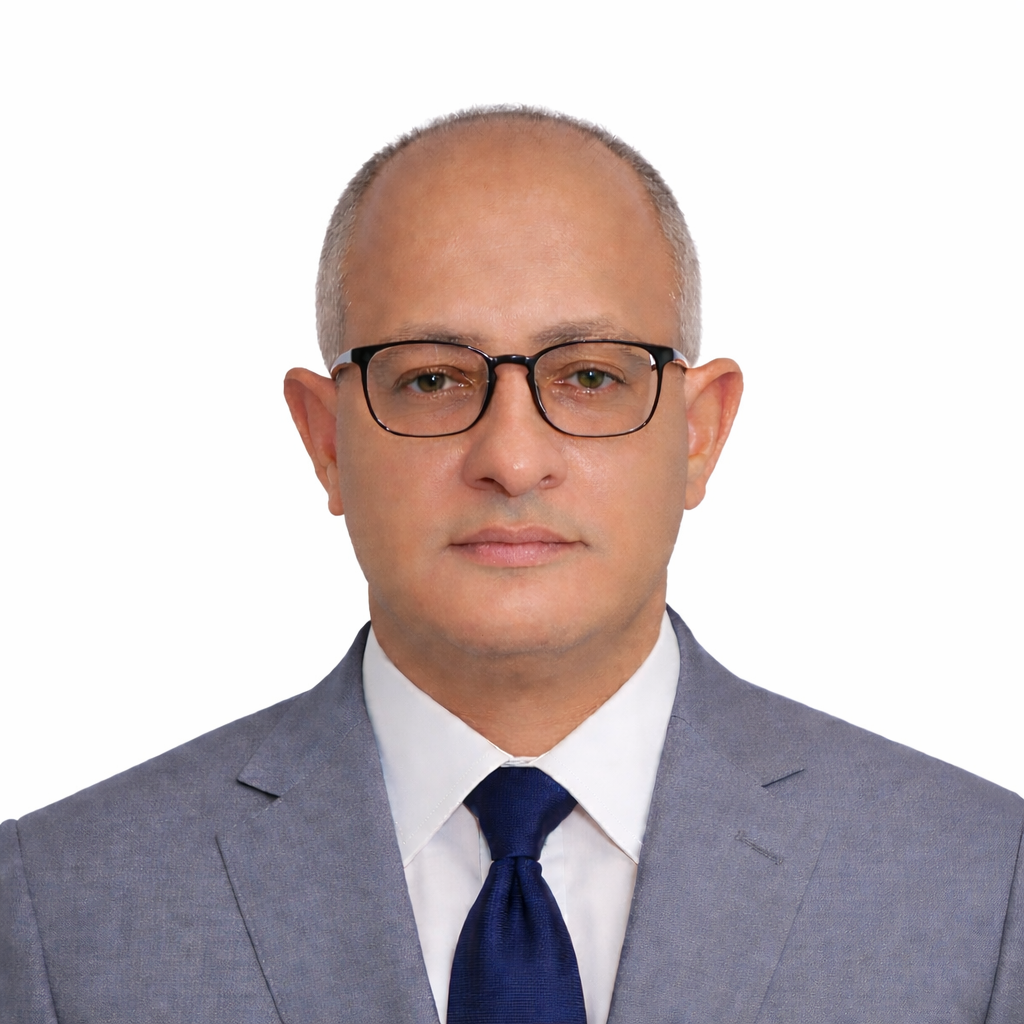
I am an Associate Professor and interdisciplinary researcher working at the intersection of microbial biotechnology, oncology, artificial intelligence, and precision nutrition. My academic journey has been shaped by a long-standing interest in understanding complex biological systems not as isolated components, but as interconnected, dynamic networks that influence health, disease, and therapeutic response.
My core expertise lies in microbiome science, particularly gut microbiota, host–microbe interactions, and their implications for metabolic disorders, cancer, and immune regulation. Over the years, my work has expanded to include AI-driven systems medicine, where I apply machine learning and multi-omic integration to translate complex biological data into clinically and nutritionally actionable insights.
I am the originator of the Polybiome Systems Medicine framework, an integrative conceptual and methodological model that connects oncology, microbiome ecology, nutrition, environmental exposure, and artificial intelligence into a unified translational architecture. This framework underpins much of my current research, editorial work, and academic writing, and is designed to bridge the gap between discovery science and real-world clinical and public health applications.
My research interests include:
-
Microbiome–cancer interactions and immunometabolism
-
AI and multi-omics for precision oncology and nutrition
-
Probiotics, functional foods, and microbial therapeutics
-
Drug–microbiome interactions and treatment response modulation
-
Systems biology approaches to complex, multifactorial diseases
In addition to my research activities, I am deeply involved in academic publishing and scientific leadership. I serve as editor, corresponding editor, or editor-in-chief for several international book projects with major publishers, focusing on emerging fields such as precision medicine, nanobiotechnology, One Health, and AI-enabled biomedical innovation. I am also committed to mentoring early-career researchers and fostering ethically grounded, conceptually coherent scientific work.
My professional philosophy is grounded in rigor, transparency, and integration—valuing deep scientific reasoning over superficial trends, and long-term intellectual contribution over short-term output. I see research not only as a means of generating data, but as a responsibility to build frameworks that others can test, challenge, and extend.
I welcome collaboration with researchers, clinicians, data scientists, and institutions interested in advancing next-generation medicine, nutrition, and systems-level health solutions through interdisciplinary and translational science.