RPCF-AMR: From Resistance Surveillance to Predictive Control—A Precision Convergence Framework for Integrated Antimicrobial Resistance Governance
Published in Bioengineering & Biotechnology, Sustainability, and Biomedical Research
RPCF-AMR: From Resistance Surveillance to Predictive Control
Antimicrobial resistance (AMR) is no longer only a clinical problem; it is a systems-level challenge that demands predictive, integrated, and cross-sector governance. In response, I propose the Resistance–Predictive Convergence Framework for Antimicrobial Resistance (RPCF-AMR), a conceptual model that moves AMR management from post-detection surveillance toward predictive control.
RPCF-AMR is built on four converging layers: surveillance, predictive intelligence, nanobiotechnological and therapeutic intervention, and governance. Together, these layers support early resistance signal detection, forecasting of resistance evolution, integration of genomic, microbiome, clinical, and environmental data, and AI-assisted decision support. Within a One Health architecture, the framework emphasizes adaptive policy control and precision intervention rather than broad-spectrum reaction.
The core premise is simple: AMR cannot be addressed by antibiotics alone. It requires a convergence architecture that connects intelligence, biology, and governance into one anticipatory system. RPCF-AMR is an attempt to conceptualize this transition.
A key conceptual foundation for this framework lies in the convergence of nanobiotechnology and advanced computational intelligence for antimicrobial resistance management. Recent perspectives highlight a shift toward precision therapeutics within a One Health paradigm, where antimicrobial strategies extend beyond conventional pharmacology into integrated nanoscale delivery systems and adaptive intelligence models. This aligns with emerging approaches that emphasize predictive and personalized intervention strategies supported by multi-layer biological and computational integration (Reyed, 2026). Within this context, AMR is reframed as a dynamic, evolving system that requires continuous modeling, real-time adaptation, and convergence between biological data streams and intelligent decision-support architectures, reinforcing the transition from reactive surveillance to predictive and controllable precision governance.
Reyed, R. M. (2026). Nanobiotechnology and AI Convergence for Antimicrobial Resistance and Predictive Precision Therapeutics: Precision Therapeutics and One Health. In R. Reyed (Ed.), AI, Nanobiotechnology, and the Future of Precision Antibiotics (pp. 1-74). IGI Global Scientific Publishing. https://doi.org/10.4018/979-8-3373-5268-8.ch001
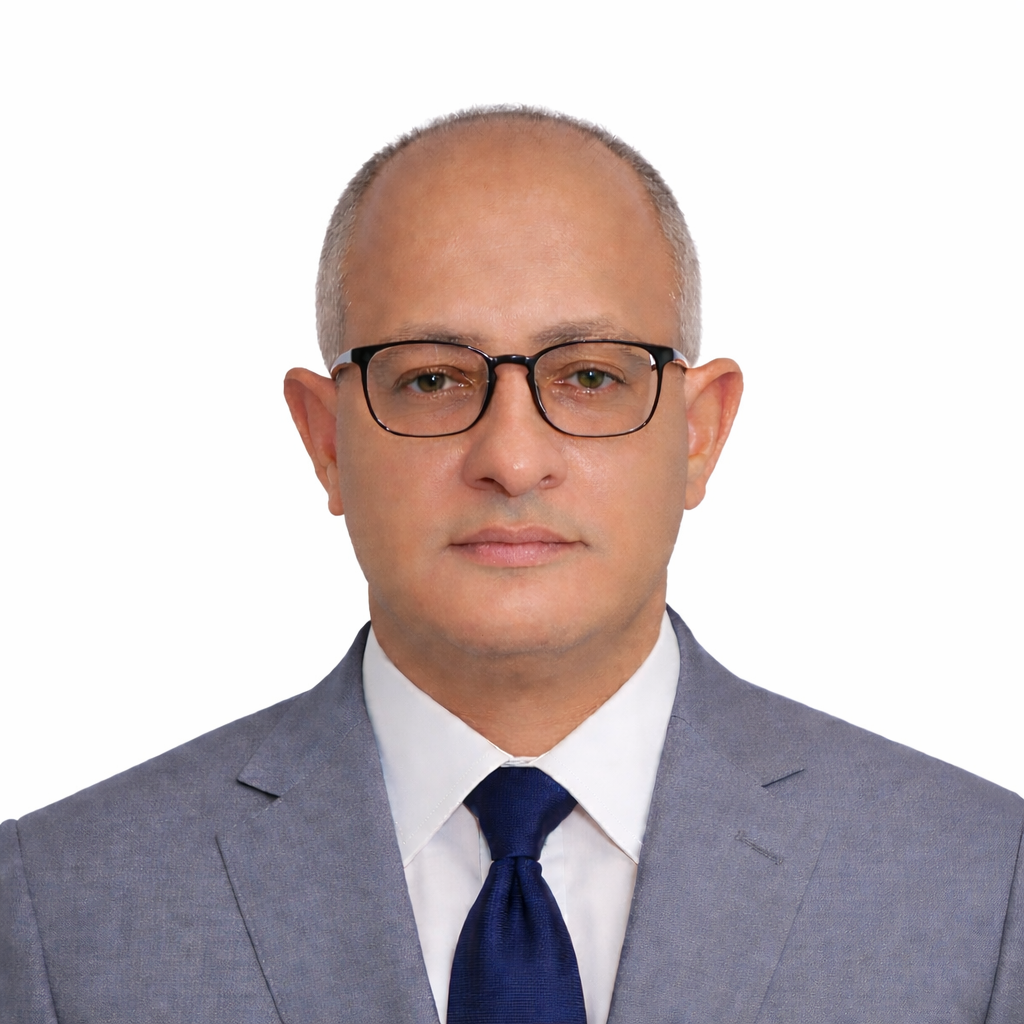
I am an Associate Professor and interdisciplinary researcher working at the intersection of microbial biotechnology, oncology, artificial intelligence, and precision nutrition. My academic journey has been shaped by a long-standing interest in understanding complex biological systems not as isolated components, but as interconnected, dynamic networks that influence health, disease, and therapeutic response.
My core expertise lies in microbiome science, particularly gut microbiota, host–microbe interactions, and their implications for metabolic disorders, cancer, and immune regulation. Over the years, my work has expanded to include AI-driven systems medicine, where I apply machine learning and multi-omic integration to translate complex biological data into clinically and nutritionally actionable insights.
I am the originator of the Polybiome Systems Medicine framework, an integrative conceptual and methodological model that connects oncology, microbiome ecology, nutrition, environmental exposure, and artificial intelligence into a unified translational architecture. This framework underpins much of my current research, editorial work, and academic writing, and is designed to bridge the gap between discovery science and real-world clinical and public health applications.
My research interests include:
-
Microbiome–cancer interactions and immunometabolism
-
AI and multi-omics for precision oncology and nutrition
-
Probiotics, functional foods, and microbial therapeutics
-
Drug–microbiome interactions and treatment response modulation
-
Systems biology approaches to complex, multifactorial diseases
In addition to my research activities, I am deeply involved in academic publishing and scientific leadership. I serve as editor, corresponding editor, or editor-in-chief for several international book projects with major publishers, focusing on emerging fields such as precision medicine, nanobiotechnology, One Health, and AI-enabled biomedical innovation. I am also committed to mentoring early-career researchers and fostering ethically grounded, conceptually coherent scientific work.
My professional philosophy is grounded in rigor, transparency, and integration—valuing deep scientific reasoning over superficial trends, and long-term intellectual contribution over short-term output. I see research not only as a means of generating data, but as a responsibility to build frameworks that others can test, challenge, and extend.
I welcome collaboration with researchers, clinicians, data scientists, and institutions interested in advancing next-generation medicine, nutrition, and systems-level health solutions through interdisciplinary and translational science.
Follow the Topic
What are SDG Topics?
An introduction to Sustainable Development Goals (SDGs) Topics and their role in highlighting sustainable development research.
Continue reading announcement