The safety and efficacy of bispecific T-cell engagers (TCEs) in patients with glioma
Published in Cancer and General & Internal Medicine
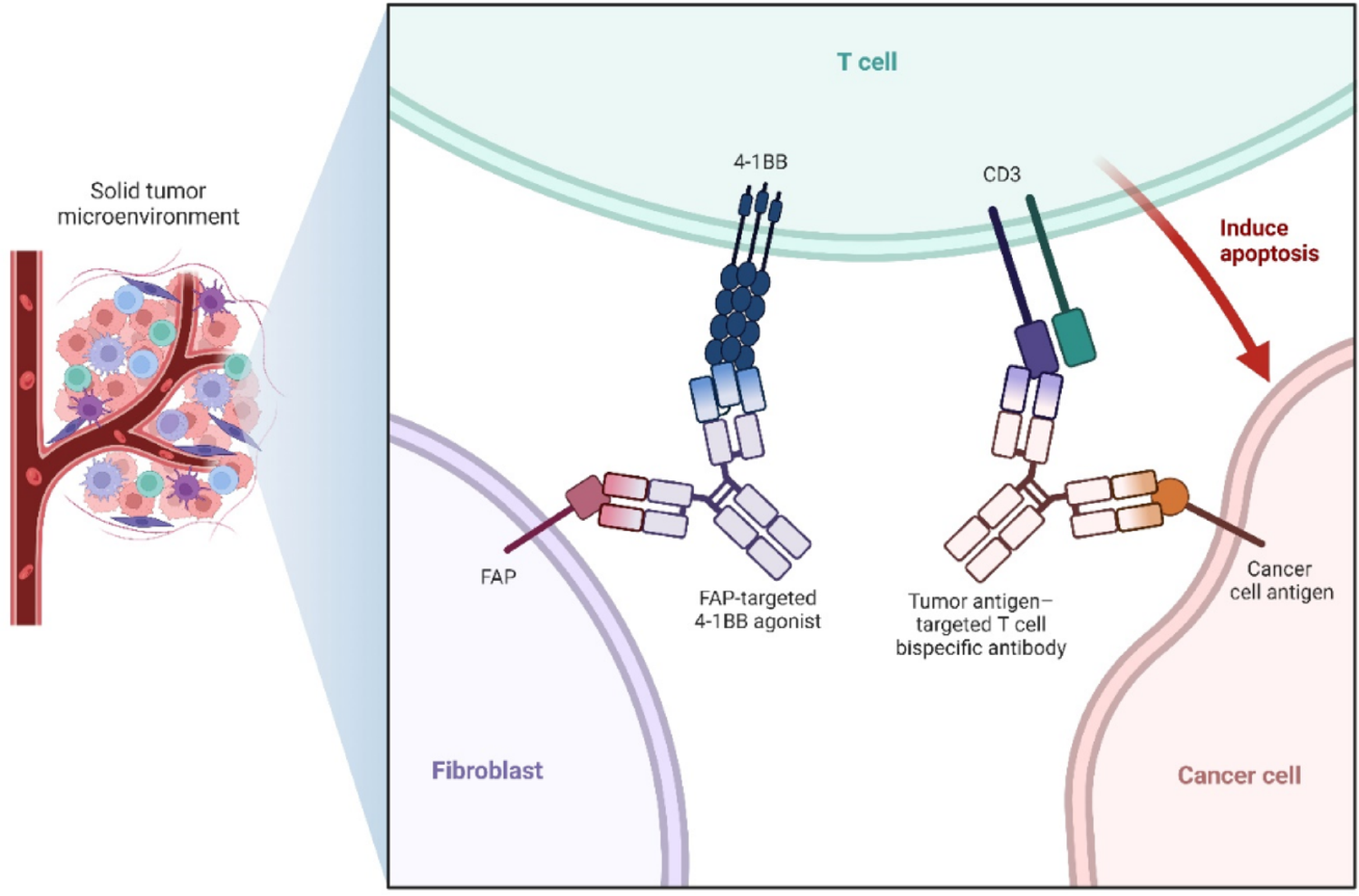

Among the most aggressive and resistant tumors of the central nervous system, glioblastoma (GBM) has a poor prognosis and few available treatments. Because of the tumor’s infiltrative nature, immunosuppressive environment, and resistance mechanisms, traditional treatments such as radiotherapy, chemotherapy, and surgery offer only modest survival benefits. Bispecific T-cell engagers (TCEs) have shown promising preclinical and early clinical results, and immunotherapy has become a feasible strategy.
TCEs efficiently promote antigen evasion and strong tumor lysis by directing cytotoxic T lymphocytes (CTLs) to tumor-associated antigens (TAA) such as the EGFRvIII ligands IL-13Rα2, Fn14, and NKG2D ligands (NKG2DLs). Although phase I clinical studies with AMG 596 have shown acceptable safety profiles and early indications of efficacy, preclinical mice have demonstrated prolonged longevity.
However, challenges still exist, including the short half-life of TCEs molecules, limited T-cell infiltration, antigen heterogeneity, and the risk of neurotoxicity or cytokine release syndrome (CRS). Promising developments include novel approaches such as multivalent targeting, DNA-encoded or cell-delivered TCEs, and combinations with immune checkpoint inhibitors (ICIs) or CAR-T cells. With an emphasis on its integration into multimodal treatment approaches, this review highlights the safety, effectiveness, and potential uses of TCEs immunotherapy for gliomas.
See here for the article: https://link.springer.com/article/10.1007/s10238-026-02057-yIF: 3.5 Q2
-Kamyar Bagheri

Kamyar Bagheri is a graduate in Medical Laboratory Sciences from Abadan University of Medical Sciences and recipient of the Outstanding Student Researcher Award (2025). His research interests include cancer immunology, translational oncology, hematologic malignancies, molecular oncology, and cellular immunotherapy. He has co-authored peer-reviewed publications in international journals covering cancer immunotherapy, molecular oncology, and related fields. He is particularly interested in translating discoveries in cancer biology into innovative therapeutic strategies through interdisciplinary research. His long-term goal is to contribute to the development of precision immunotherapies for hematologic and solid malignancies.
Follow the Topic

Related Collections
With Collections, you can get published faster and increase your visibility.
Clinical Practice
Publishing Model: Open Access
Deadline: Ongoing
Systemic Vasculitides: Current Status and Perspectives
Systemic vasculitides represent a group of complex disorders characterized by inflammation of blood vessels, leading to tissue damage and a spectrum of clinical manifestations. This Collection aims to bring together research focused on various forms of systemic vasculitis, including but not limited to ANCA-associated vasculitis, IgA vasculitis, Takayasu arteritis, and giant cell arteritis. These conditions pose significant diagnostic and therapeutic challenges, highlighting the need for ongoing research into their underlying mechanisms, clinical management, and long-term outcomes.
Advancements in understanding the immunological and genetic underpinnings of systemic vasculitides have been noteworthy, leading to improved diagnostic criteria and treatment protocols. Recent developments in targeted therapies, such as biologics and personalized medicine approaches, offer promising avenues for enhancing patient outcomes. The growing recognition of the importance of multidisciplinary care in managing these conditions underscores the need for comprehensive research efforts that encompass clinical, laboratory, and epidemiological perspectives.
Future research in systemic vasculitides holds the promise of uncovering novel therapeutic targets and refining existing treatment strategies. As we deepen our understanding of T-cell activation, B-cell tolerance, and the role of specific cytokines in vasculitis pathogenesis, we may develop innovative interventions that enhance patient quality of life and reduce disease burden. Collaboration among researchers, clinicians, and patient advocacy groups will be essential in translating these findings into clinical practice.
This Collection supports and amplifies research related to SDG 3 (Good Health and Well-being).
Publishing Model: Open Access
Deadline: Feb 15, 2027