World Cancer Day, observed annually on February 4, is a global initiative to raise awareness, promote prevention, and mobilize action against cancer. For 2025–2027, the theme “United by Unique” underscores the importance of prioritizing individual experiences in cancer care and fostering inclusive healthcare systems that extend beyond disease treatment. Traditional healthcare models often focus on treating cancer while overlooking the overall well-being of patients. A people-centered approach shifts this perspective by ensuring that cancer care aligns with the values, needs, and social realities of each individual. This approach integrates emotional and social support, empowers patients to actively participate in their treatment, and strengthens community involvement in healthcare systems. The “United by Unique” initiative highlights that cancer is more than just a medical diagnosis; it is a deeply personal journey shaped by each patient’s unique life experiences. Recognizing these differences helps advance health equity, improve clinical outcomes, and foster more personalized care. On this World Cancer Day, healthcare professionals, scientists, policymakers, and health equity advocates are called upon to transform cancer care through inclusion and dignity. The global community unites to ensure a future where the person comes before the patient and healthcare systems respond to real-world needs with empathy and equity.
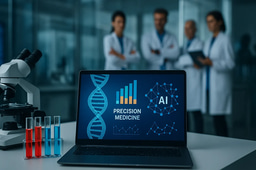
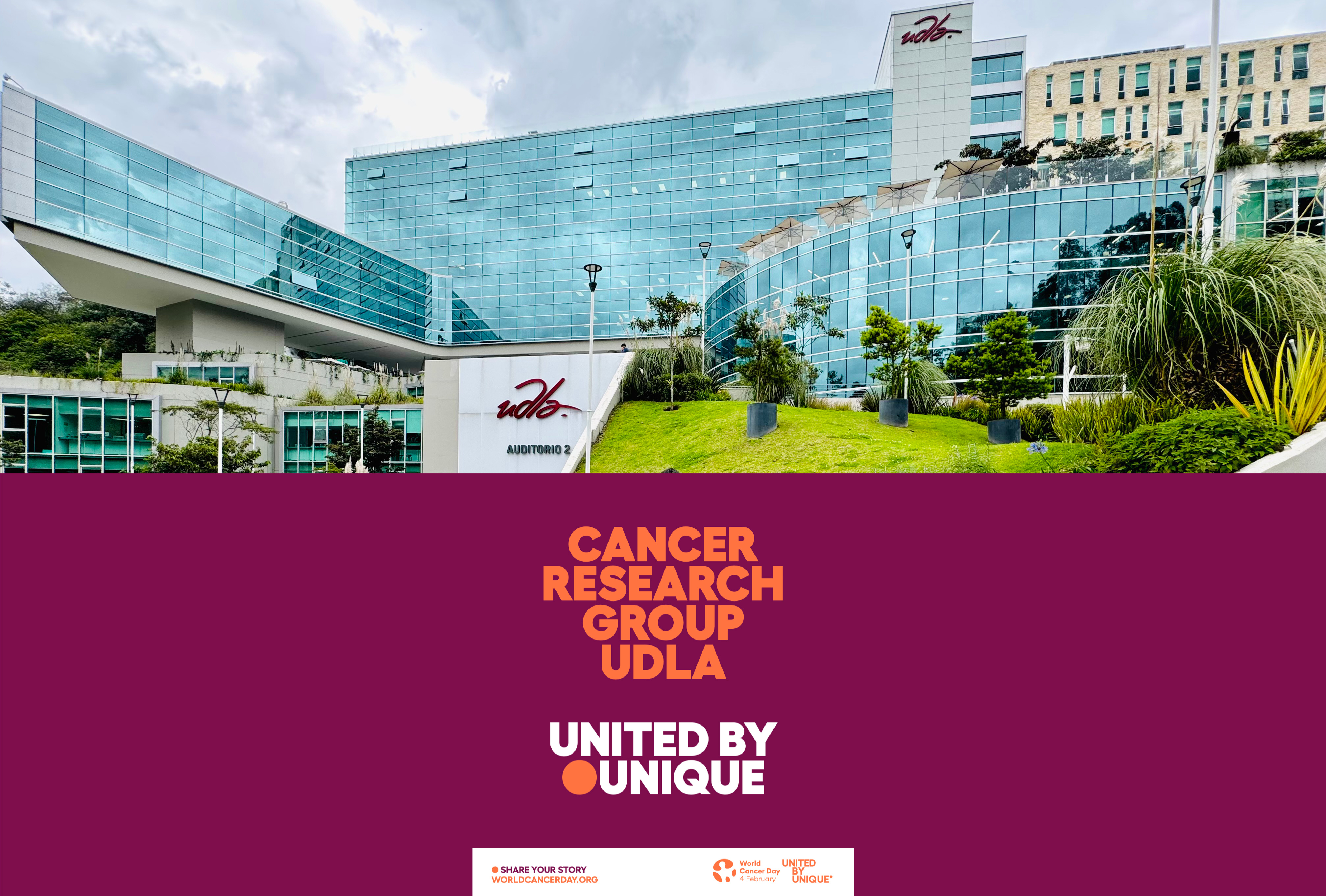
From Ecuador, the Cancer Research Group (CRG) at Universidad de Las Américas (UDLA) joins this global call to action by focusing its research on developing personalized precision medicine strategies to improve cancer prevention, diagnosis, and treatment. The CRG comprises an outstanding team of researchers committed to the “United by Unique” initiative, concentrating their efforts on understanding cancer development and identifying the most effective therapeutic pathways to enhance patients’ quality of life. Dr. Iván Moya investigates the impact of the Western diet and high sugar consumption on cancer formation. His research also explores how dietary modifications, including fasting, influence cancer development and the effectiveness of chemotherapy treatments. Dr. Salomé Araujo focuses on utilizing exosomes as drug delivery vehicles for hard-to-treat cancers such as glioblastoma, pancreatic, and colorectal cancer. Her innovative therapeutic strategy aims to optimize diagnosis and treatment through liquid biopsies. Dr. Andrés López-Cortés specializes in pharmacogenomics, immunoinformatics, and vaccine development for various cancer types. He aims to create more effective, personalized therapies tailored to individual genetic profiles.
Additionally, the CRG team includes Medical and Biotechnology students whose contributions enrich research efforts. Among them are Sebastián Rivera, Jhommara Bautista, Samantha Espinoza, Sofía Ojeda, David Palacios, José Bueno, David Ávila, Dylan Ordóñez, Camila Valencia, María José Ramos, Adriana Altamirano, Paulina Echeverría, Belén Ocaña, David Ramírez, Micaela Pineda, Melanie Benítez, María Paula Fuentes, Emilia Castellanos, Juliana Montalvo, and Nicole Elsitdie. On World Cancer Day, the CRG at UDLA reaffirms its commitment to cancer research through personalized precision medicine, fully aligned with the “United by Unique” theme. From studying the role of nutrition in cancer onset to leveraging exosomes for drug delivery and developing personalized cancer vaccines, our work highlights the importance of tailoring treatments to individual needs, contributing to the global fight against cancer.