
World Hepatitis Day is celebrated on yearly on the 28th of July – marking the birthday of the Nobel-prize winning scientist Dr Baruch Blumberg, who firstly discovered hepatitis B virus (HBV) and subsequently developed a diagnostic test and vaccine for the virus. It is a day to highlight the significant issue hepatitis still presents globally, as well as an opportunity to bring awareness of the need for a greater response globally to this disease – as summarised in a report by WHO in 2017. In this report they call for the elimination of viral hepatitis as a public health threat by 2030.
In this BMC Series highlights blog we aim to raise awareness of the integral hepatitis research our authors have been performing – providing key knowledge which will help inform ways to reduce hepatitis infection and mortality.
 BMC Infectious Diseases - Prevalence of vaccine-derived hepatitis B surface antibodies in children and adolescents in Germany: results from a population-based survey, 2014–2017
Childhood vaccination against hepatitis B has been a standard health recommendation in Germany since 1995. According to the World Health Organization (WHO), a successful primary vaccination series is marked by a hepatitis B surface antibody (anti-HBs) level of ≥10 IU/L immediately following vaccination. Anti-HBs levels can vary depending on the number of doses, type of vaccine, and the interval between the last two doses. In 2021, Germany modified its vaccination guidelines, recommending three doses of polyvalent hepatitis B vaccines instead of four. In this study the authors aimed to determine the proportion of vaccinated children in Germany with different anti-HBs levels and assess whether the number of doses and compliance with the recommended interval between the last two doses impact achieving an anti-HBs level of ≥10 IU/L.
The authors utilized data from a national cross-sectional survey conducted between 2014 and 2017, involving children aged 3–17 years. A recommended vaccination schedule was defined as having at least six months between the last two doses and receiving three or more doses. Two logistic regression models were used to examine the relationship between the number of doses, adherence to the recommended schedule, and anti-HBs levels, taking into account the time since the last dose and the type of vaccine used.
The analysis revealed no significant association following a three-dose versus four-dose schedule and achieving anti-HBs levels of either ≥10 IU/L or ≥100 IU/L. This indicates that the reduction in the number of recommended doses did not affect the overall efficacy of the vaccination in terms of maintaining sufficient anti-HBs levels.
The authors findings suggest that in later childhood, anti-HBs levels are comparable whether children received three or four doses of the vaccine. This implies that the updated recommendation for a three-dose schedule does not compromise the anti-HBs levels among children in Germany. By ensuring continued research and monitoring, health authorities can better understand the effectiveness and durability of the hepatitis B vaccination program.
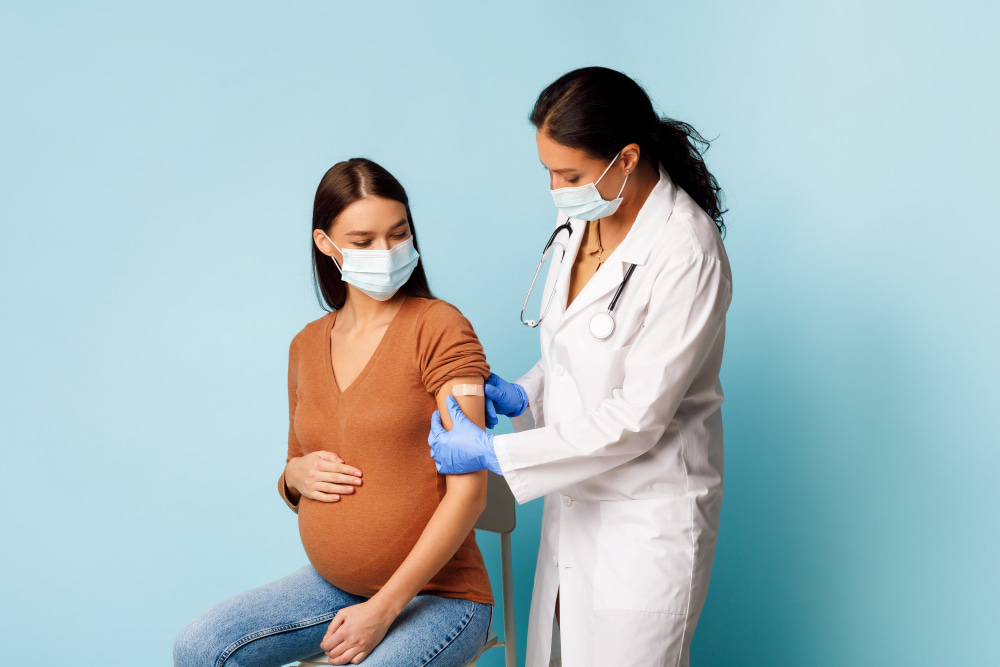 BMC Primary Care - Barriers to hepatitis B virus screening of pregnant women in primary healthcare centers in Nigeria: health workers’ perspective
In Nigeria, screening for hepatitis B virus (HBV) is a crucial aspect of antenatal care. Despite its importance, screening rates remain disappointingly low, especially at primary healthcare centres. To address this issue, a recent study explored the barriers to antenatal HBV screening from the perspective of health workers in Nigeria.
In this study the authors surveyed health workers, across three Nigerian states: Akwa Ibom, Anambra, and Kaduna. Using an open-ended questionnaire, the researchers gathered written responses on the perceived barriers to HBV screening and potential solutions. The data were analysed using an inductive thematic approach.
The study identified barriers at three levels: patient, provider, and health system. This included a lack of awareness among pregnant women about the importance of HBV screening and the unaffordability of HBV tests and high costs of antiviral treatment. As well as insufficient knowledge and training among health workers regarding HBV and a shortage of trained personnel to conduct HBV screenings. Finally, the study identified a lack of HBV test kits and vaccines at PHCs and inadequate infrastructure and resources to support widespread screening programs.
To overcome these barriers, health workers recommended several strategies. Firstly, to ensure HBV test kits and vaccines are readily available and free of charge at PHCs. Secondly, they recommended implementation of targeted awareness campaigns to educate pregnant women about HBV and the importance of screening. Finally, the suggested investing in training programs to enhance the knowledge and skills of health workers in HBV screening and management.
The authors concluded that multilevel barriers significantly impacted HBV screening rates among pregnant women in Nigerian PHCs. Addressing these barriers through comprehensive and sustainable interventions is crucial as Nigeria strives to eliminate HBV. By improving access to testing and vaccines, raising awareness, and enhancing health worker training, the country can make significant strides in safeguarding maternal and child health against HBV.
 BMC Infectious Diseases – Sustained virologic response improved the long-term health-related quality of life in patients with chronic hepatitis C: a prospective national study in China
Understanding the trends in health-related quality of life (HRQoL) among hepatitis C virus (HCV) patients is crucial for assessing the full impact of antiviral therapy on their well-being. In this study the authors aimed to investigate these trends and evaluate how antiviral therapy influences HRQoL over time.
This prospective multicentred observational study involved adults with HCV infection. The researchers collected sociodemographic data, clinical characteristics, and responses to EQ-5D questionnaires, which measure HRQoL. Following this, generalized estimating equation (GEE) models were used to analyse the associations between these variables and changes in HRQoL over time.
The authors concluded that achieving SVR markedly enhances the long-term HRQoL of HCV patients, particularly in the first few years following viral clearance. Sociodemographic factors, such as age, income, gender, and genotype, also play significant roles in determining long-term quality of life outcomes.
These findings highlight the crucial impact of antiviral therapy in improving the overall well-being of HCV patients. As healthcare providers work to manage and treat HCV, understanding the diverse factors that affect patients' quality of life can guide more personalized and effective treatment approaches.
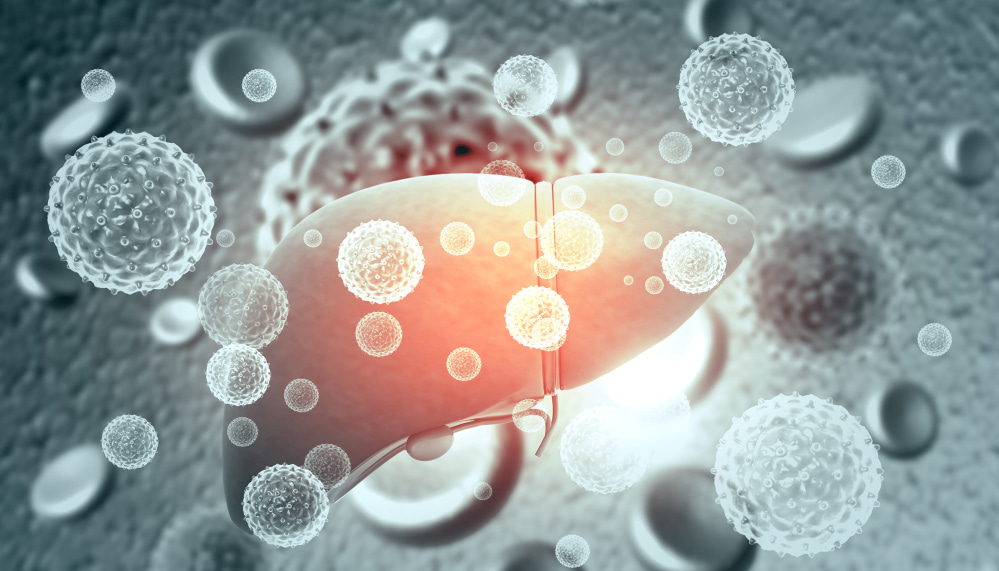 BMC Immunology - Characteristics of circulating immune cells in HBV-related acute-on-chronic liver failure following artificial liver treatment
Liver failure induced by hepatitis B virus (HBV) is a critical condition often treated with artificial liver support systems (ALSS). In this study the authors aimed to explore the phenotypic diversity of immunocytes in patients with HBV-related acute-on-chronic liver failure (HBV-ACLF) before and after ALSS therapy.
To start their investigation HBV-ACLF patients undergoing ALSS therapy were enrolled, with improvement categorized based on ACLF Research Consortium scores. Demographic and laboratory data were collected during hospitalization. Immunological profiles of peripheral blood were analysed using mass cytometry before and after ALSS.
Out of the participants in the study, 12 patients showed clinical improvement while 10 did not. Post-ALSS analysis revealed higher circulating monocyte levels in non-improved patients, contrasting with lower γδT cell counts compared to the improved group. Further analysis identified 37 cell clusters, with significant decreases noted in effector CD8+ T cells, CD4+ TCM, CD4+ TEM, and inhibitory natural killer (NK) cells following ALSS therapy among HBV-ACLF patients.
Furthermore, results showed that ALSS therapy in HBV-ACLF patients is associated with significant changes in immune cell populations, notably affecting effector CD8+ T cells, CD4+ TCM and TEM cells, and inhibitory NK cells. Differences in monocytes and γδT cells were particularly pronounced between patients with varying treatment outcomes. These findings suggest that the phenotypic heterogeneity of lymphocytes and monocytes may influence the prognosis of ALSS therapy. Understanding these immunological changes could inform future strategies for immunotherapy in HBV-related liver failure.
This study underscores the complexity of immune responses in HBV-ACLF and highlights the potential for tailored immunotherapeutic approaches aimed at optimizing treatment outcomes in this patient population.
Follow the Topic
-
BMC Infectious Diseases
This journal is an open access, peer-reviewed journal that considers articles on all aspects of the prevention, diagnosis and management of infectious and sexually transmitted diseases in humans, as well as related molecular genetics, pathophysiology, and epidemiology.
-
BMC Primary Care
Previously known as BMC Family Practice, this is an open access, peer-reviewed journal that considers articles on all aspects of primary health care research.
-
BMC Immunology
This is an open access journal publishing original peer-reviewed research articles in molecular, cellular, tissue-level, organismal, functional, and developmental aspects of the immune system as well as clinical studies and animal models of human diseases.



Related Collections
With Collections, you can get published faster and increase your visibility.
Trained immunity
Trained immunity refers to the phenomenon whereby innate immune cells, such as monocytes and macrophages, exhibit enhanced responses to subsequent infections after an initial encounter with a pathogen or certain vaccines. This concept challenges the traditional view of innate immunity as a static defense mechanism and highlights the plasticity and adaptability of immune cells in responding to diverse pathogens. Understanding the mechanisms underlying trained immunity is crucial for deciphering how the innate immune system contributes to long-term protection and memory, which could lead to novel therapeutic strategies and vaccine designs.
Further study of trained immunity is of paramount importance, particularly in the context of emerging infectious diseases, vaccine development, and autoimmune disorders. Recent advances have demonstrated that the innate immune system can be "trained" not only by infections but also by exposure to live attenuated vaccines. These findings have significant implications for public health, as they suggest that harnessing trained immunity could enhance vaccine efficacy, provide broader protection against infections, treat cancers and allergies, and reduce rejection of organ transplants.
Potential topics for submission include, but are not limited to:
- Mechanisms of trained immunity in monocytes
- Role of macrophages in innate immune memory
- Implications of trained immunity for vaccine development
- Trained immunity and inflammatory disorders
- Harnessing trained immunity for cancer treatment
- Trained immunity and treatment of allergic diseases
- Trained immunity to prevent organ transplant rejection
This Collection supports and amplifies research related to SDG 3: Good Health & Well-Being.
All manuscripts submitted to this journal, including those submitted to collections and special issues, are assessed in line with our editorial policies and the journal’s peer-review process.
Publishing Model: Open Access
Deadline: Dec 09, 2026
Immune monitoring of the skin microbiome
The skin microbiome is a complex ecosystem comprising a diverse array of commensal bacteria that plays a critical role in maintaining skin health and immune function. Recent research has unveiled intricate and unexpected interactions between skin microbiota and host immune responses. This Collection aims to explore this dynamic relationship, particularly in the context of microbiome homeostasis, disorders of the immune system, and implications for immunotherapy innovation.
The mechanisms through which the immune system monitors and reacts to changes in the skin microbiome has emerged as a promising research field. Understanding the interplay between skin-resident microbes and the immune system has the potential to help preempt the effects of microbiome dysregulation and external pathogens. Advances in this field have already provided insights into how alterations in skin microbiota can lead to conditions such as atopic dermatitis, psoriasis, and autoimmune skin diseases.
Future research may unlock new pathways for enhancing immunity through microbiome modulation, potentially leading to the development of targeted therapies that restore balance in the skin microbiome. Leveraging the skin microbiome's protective functions may open up avenues for less invasive and more efficient immunotherapy approaches. As our understanding deepens, we may also see advancements in the identification of skin-related biomarkers for immune health and disease, ultimately transforming clinical practice in dermatology and immunology.
Potential topics include, but are not limited to:
- Host–microbe interactions in skin health
- The immune system's mechanisms of monitoring the skin microbiome
- Immune responses to pathogenic and benign changes in the skin microbiome
- Commensal bacteria and skin barrier function
- Autoimmune skin conditions and the microbiome
- Microbiome modification for immunotherapy
This Collection supports and amplifies research related to SDG 3: Good Health & Well-Being.
All manuscripts submitted to this journal, including those submitted to collections and special issues, are assessed in line with our editorial policies and the journal’s peer-review process.
Publishing Model: Open Access
Deadline: Mar 02, 2027