World Microbiome Day 2026
Published in Microbiology and Sustainability

World Microbiome Day is an annual occasion celebrated on the 27th of June to celebrate the microbial communities that shape our health, environment, and everyday lives. Microbiomes are communities of microorganisms that live in and around us, they include bacteria, viruses, fungi and archaea. Microbiomes have a role in maintaining the health of animals, plants and the environment, however this blog will focus on the microbiome and human health.
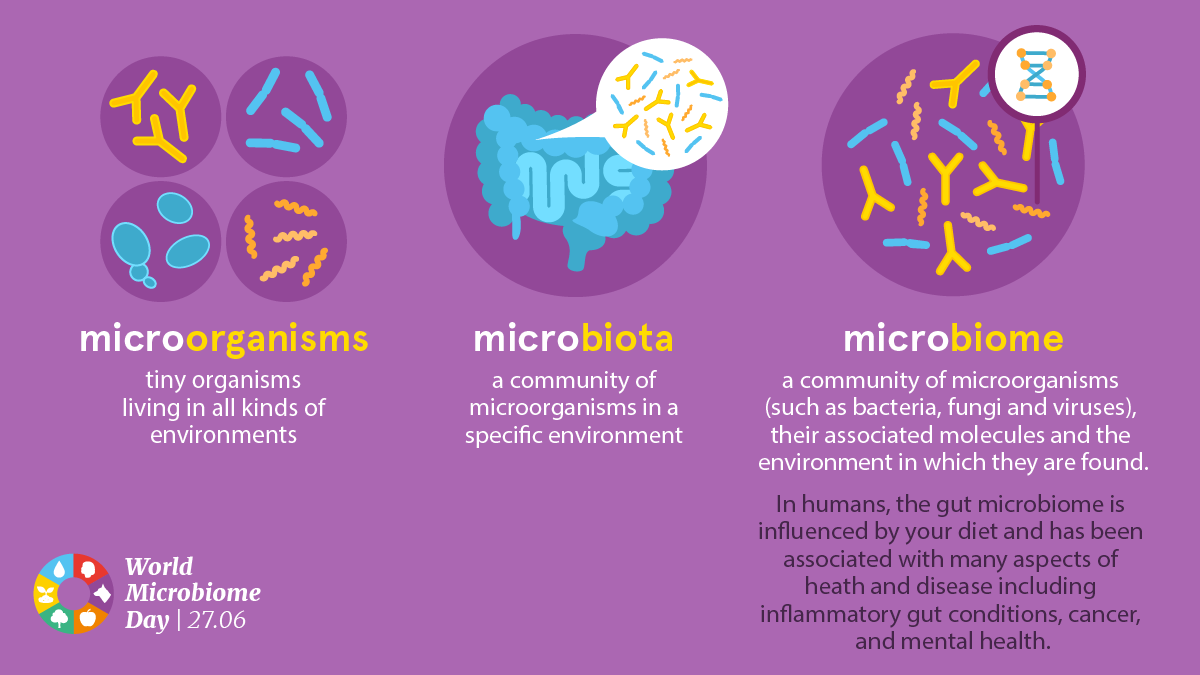
We acquire our microbiomes vertically from our mothers during birth, and then horizontally from other people, the environment, and through our diets throughout out lives. The human microbiome plays a role in digestion, immunity, as well as impacting our mental health. While our microbiome plays a role in keeping us healthy, dysbiosis, the imbalance of the microbiome, can potentially lead to harm.
This blog post compiles open access research published across Springer Nature’s imprints on the Microbiome, and specifically its links to the targets of SDG 3: Good Health and Wellbeing.
Highlights from across Springer Nature:
Collections:
There are many collections across Springer Nature that create a home for research on the microbiome, emphasising its importance for human health and how research on the subject can help meet SDG 3 targets. Below are some collections that are open for submissions, and some with a wealth of published research on the microbiome.
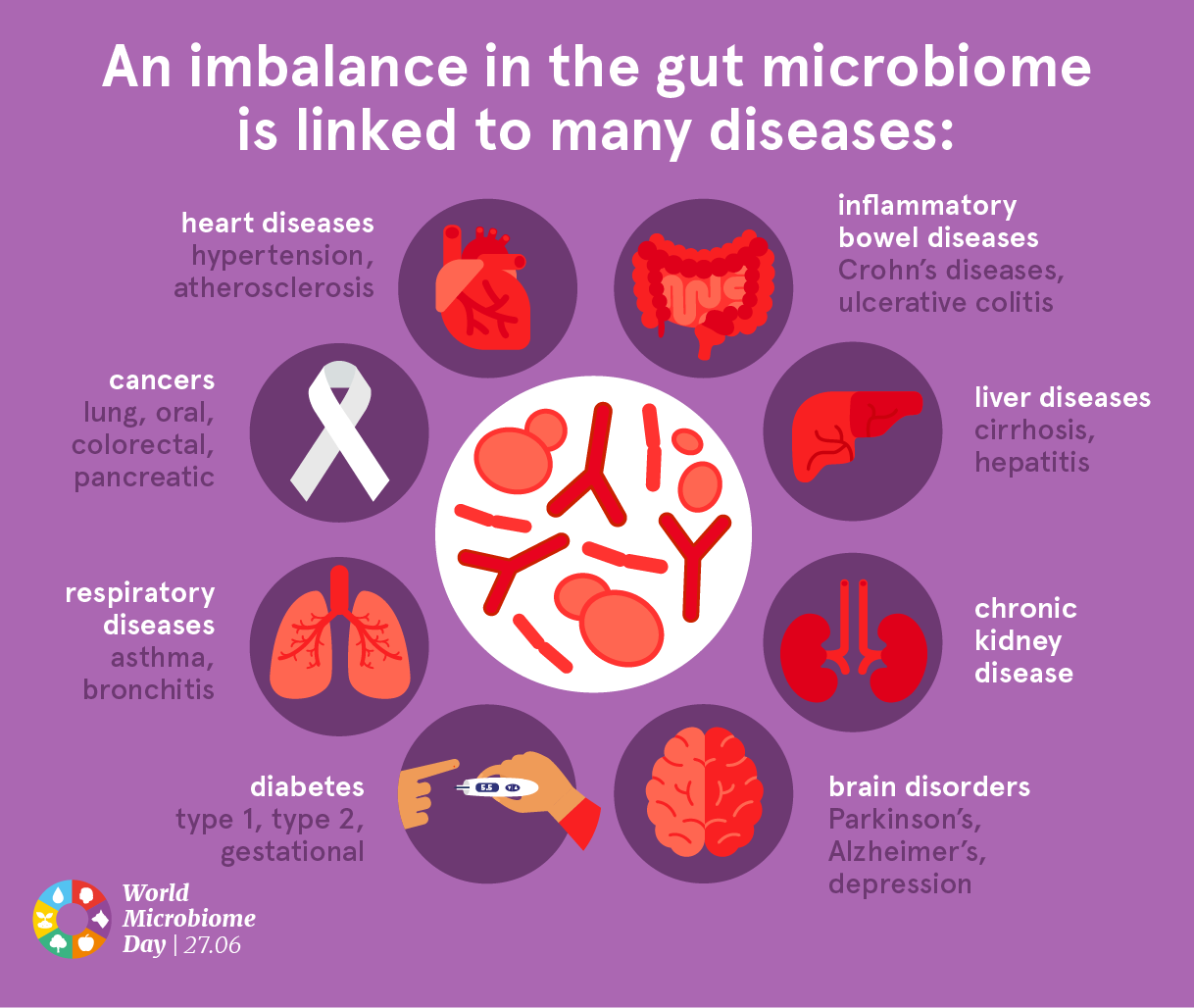
Oncobiome, a cross-journal collection between Biomarker Research, BJC Reports, Experimental Hematology and Oncology, Infectious Agents and Cancer, and Microbiome, explores the intricate relationship between cancer and the microbiome. The collection offers insights into potential diagnostic markers and novel therapeutic strategies, and is still open for submissions!
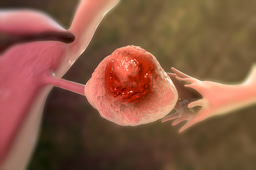
Microbiome and Reproductive Health, published in Microbiome, focuses on the mechanistic research that uncovers the functional underpinnings of the host–microbiome interface, in order to reveal how microbial communities influence reproductive physiology, including hormonal regulation, immune responses, and overall reproductive health.
On a similar topic is The Reproductive Microbiome, open for submissions in Scientific Reports. This collection looks at the microbial communities that inhabit the reproductive tracts/organs, and how dysbiosis can be associated to conditions like infertility and pelvic inflammatory disease.
Book Content:
Read book content that explores microbiome science from both community health and methodological perspectives. A chapter in Indigenous Genetics, Biobanking, Chemistry, and Cancer Research discusses the microbiome, cancer, and health disparities, with a focus on implications for Native American communities in the Southwest and the broader interaction between microbiome composition, environment, lifestyle, and health. Meanwhile, a chapter in Best Practice in Microbiome Research outlines the unique statistical challenges of microbiome data analysis, including high dimensionality, compositional constraints, sparsity, and phylogenetic structure, offering practical guidance for robust interpretation of microbiome studies.
ISRCTN Clinical studies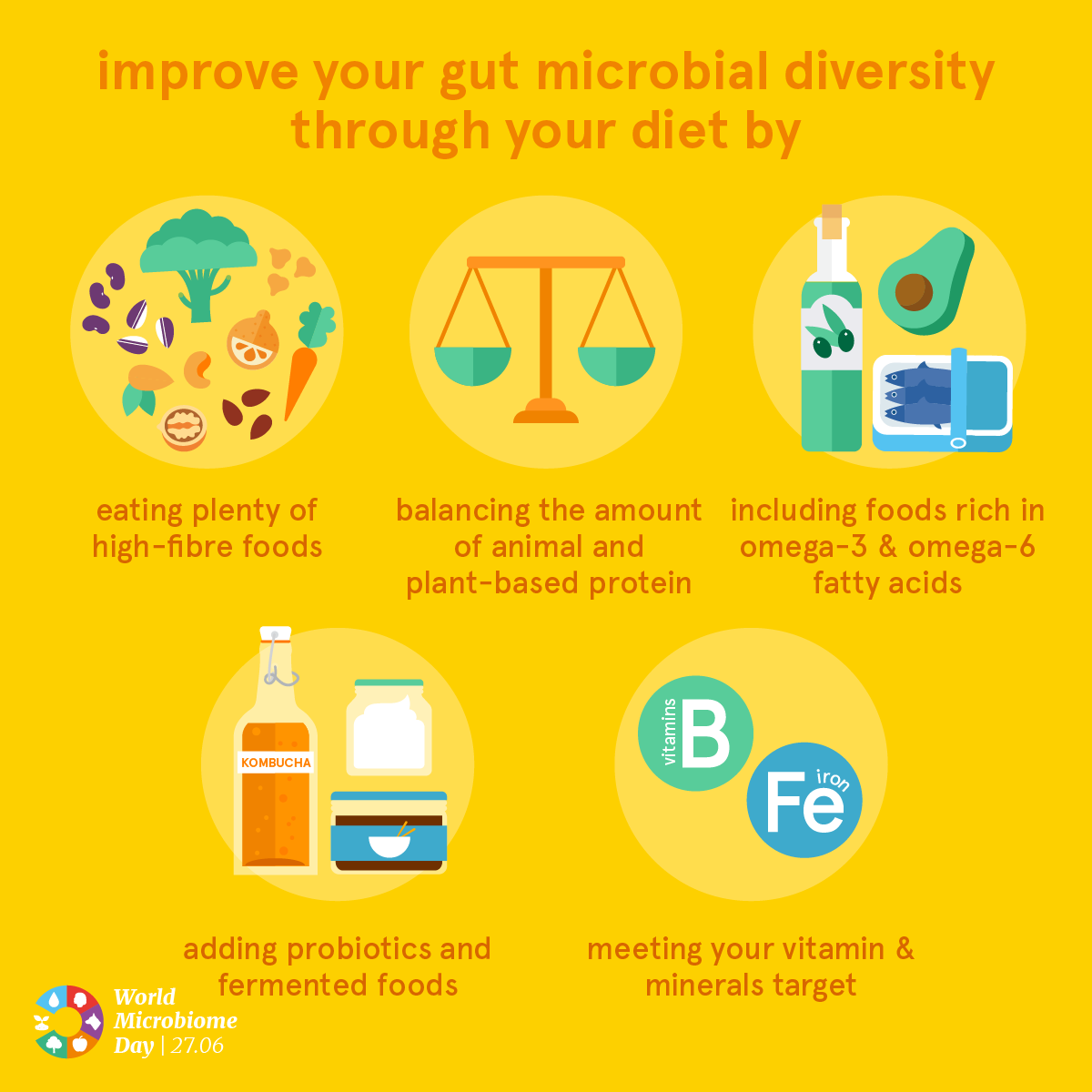
The impact our gut microbiome has on our overall health has become a popular topic in mainstream media, along with an increase in the awareness and popularity of certain 'gut friendly foods'. The ISRCTN clinical studies registry has several registered studies investigating the affects of diet on our gut microbiome's and in turn our health.
One study notes how food processing and hygiene techniques have reduced the amount of live microorganisms in modern diets. The studies aim is to evaluate whether consuming a diet rich in naturally occurring food-associated microorganisms, compared with a diet low in microorganisms, affects the gut microbiome, blood metabolites, immune markers, and metabolic status in healthy adults.
Another study aims to investigate the physiological and psychological benefits of eating commercially available fermented foods. It will look at the health of the GI system, as well as measuring emotional well-being, general mood, anxiety, stress and cognitive function.
Blogs from our authors:
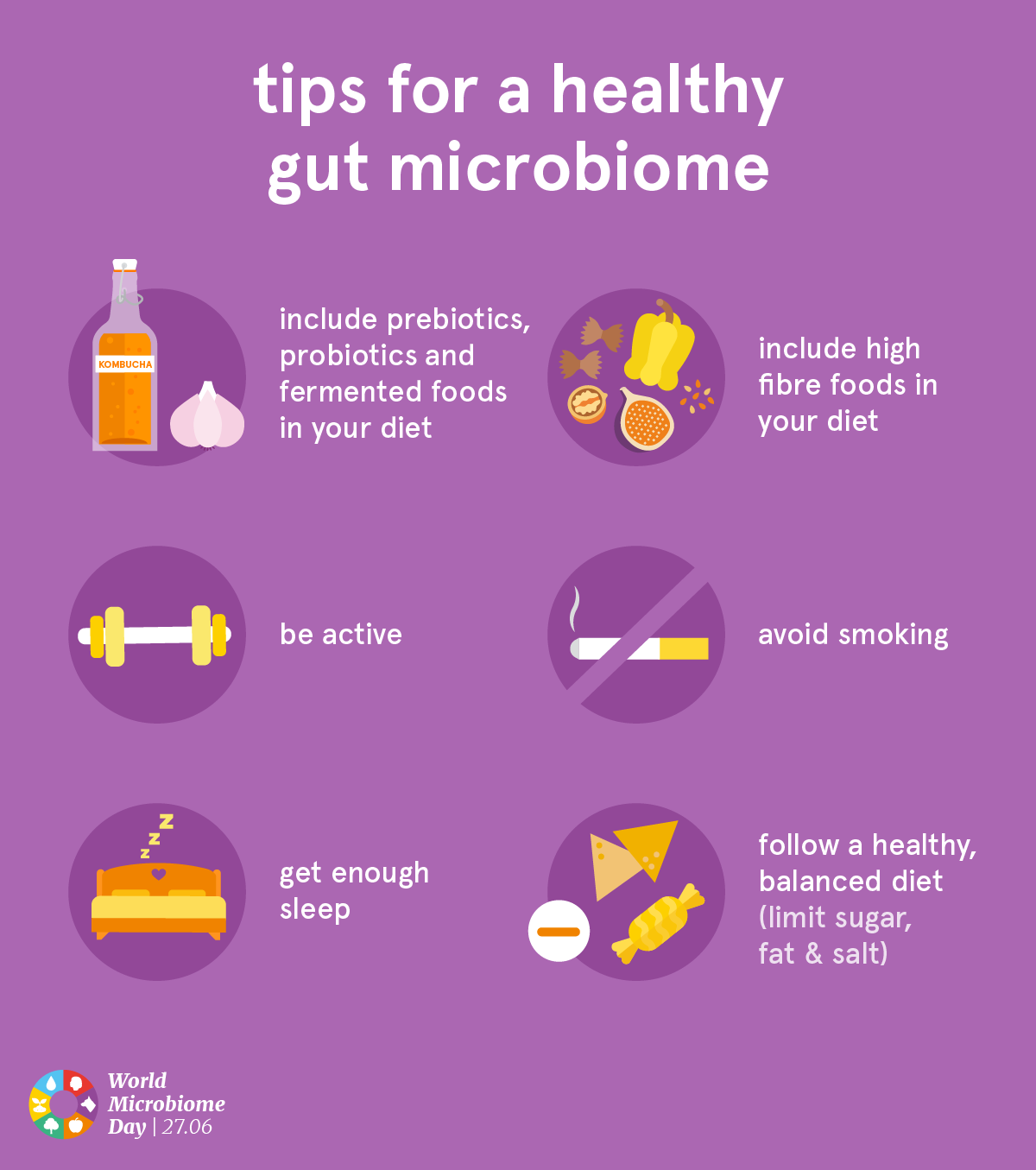
Could Your Olive Oil Be Feeding Your Brain — Through Your Gut?
Many people will be familiar with the health benefits associated with the Mediterranean diet, however lesser known might be the specific impact of olive oil, the "crown jewel" of that diet, on the gut microbiome and cognitive function. @Jiaqi Ni and colleagues took their research on the health benefits of olive oil a step further, analysing the effects of extra virgin olive oil, virgin olive oil, and olive oil separately, and presenting data to support the 'olive oil–gut–brain' axis. For their team, based in the heart of olive oil country in Spain, the subject is more than academic - it carries a personal resonance. Read the story behind their article here!
The Gut Microbiome and a New View of Colorectal Cancer
Colorectal cancer has long been studied through genetic and environmental lenses, but the gut microbiome is rapidly emerging as a key piece of the puzzle. In this post, @Jhommara Bautista and her colleagues revisit the disease with a new perspective, exploring how microbial communities contribute to cancer initiation and progression, and how this knowledge could reshape prevention and treatment strategies. By integrating microbiology with oncology, their work challenges conventional models and opens the door to more precise, microbiome-informed approaches. Discover the thinking behind their article here!
Is there something special about Sourdough bread?
The popularity of sourdough bread has risen in recent years, with people claiming it is gentler on their gut’s than other bread. @Emma Feeney and colleagues, whose work usually focuses on fermented dairy products, aim to uncover whether the fermentation process in sourdough bread has any impact on digestion, glycaemic function, differences in gut microbiota, and in measures of comfort. Read all about their ongoing study here!
What does a mother's gut microbiota tell the placenta?
The relationship between a mother and her developing baby is often framed in terms of nutrients and hormones, but an equally important player may be the maternal gut microbiota. In this post, @Silvia Giugliano and colleagues delve into what a mother’s gut microbial profile can reveal about placental function, uncovering new layers of communication between microbiome and organ development. Their work brings a fresh perspective to maternal–fetal health, showing how microbial signals could shape outcomes in ways we are only beginning to understand. For the authors, this research sits at the intersection of fundamental biology and real-world impact. Read the story behind their article here!
Gut health: what does it mean, can we measure it, and, if so, how?
The phrase ‘gut health’ was introduced in the early 2000s as a useful way to convey health benefits of prebiotics.; the term has since gained popularity as a catch-all phrase to describe a state of health localized to the gastrointestinal tract. @Maria Marco , @Eamonn MM Quigley and colleagues discuss an internaitonal meeting with the purpose of defining what constitutes gut health and how we can measure it. Read all about the meeting here!
Research highlights:
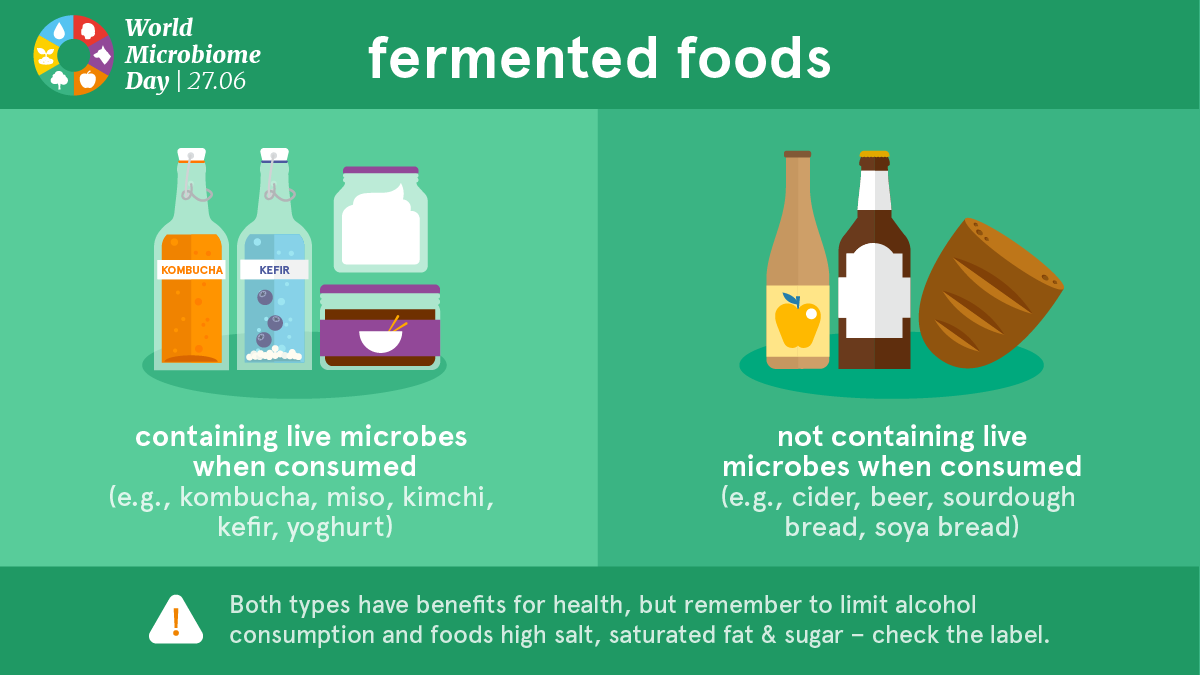
Diet, fermented foods, and microbiome modulation
Research published across Springer Nature journals highlights how diet may shape the microbiome and influence health. Microbiome reports on a crossover intervention trial examining the impact of regular sauerkraut consumption on the human gut microbiota, while Journal of Ethnic Foods explores Asian fermented plant foods as modulators of gut microbiota and host health in a narrative review. In Chinese Medicine, researchers also examine how Traditional Chinese Medicine may support the management of liver disease by targeting the gut microbiome.
Microbiome links across human health
Springer Nature research also shows the microbiome’s relevance across multiple organ systems and disease areas. npj Women’s Health explores how menopause reshapes women’s health and microbial niches, while Molecular Neurobiology reviews the role of the microbiome–gut–brain axis in brain development and mental health. In Fluids and Barriers of the CNS, researchers show that gut microbiota can modulate central nervous system barrier function in a murine model of multiple sclerosis. Other work extends these connections into cardiovascular and cancer research, with Artery Research exploring genetic associations between gut microbiota and thoracic aortic aneurysms and npj Biofilms and Microbiomes reviewing how the microbiome may help predict responses to immune checkpoint inhibitors.
Microbiomes beyond the human body
World Microbiome Day also offers an opportunity to spotlight environmental microbiome research. In Genomics & Informatics, metagenomic analysis of an urban river confluence affected by city wastewater highlights how anthropogenic activity can alter microbiome spatial dynamics and bacterial diversity across connected environments. Together, these studies reflect the breadth of microbiome science, from diet and chronic disease to ecosystems shaped by human activity.