The Hidden Brain Changes of Alzheimer’s—Before Symptoms Start
Published in Healthcare & Nursing, Neuroscience, and General & Internal Medicine


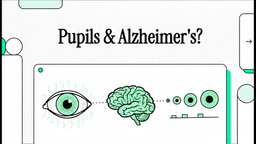
Alzheimer’s disease doesn’t begin when symptoms show up—changes can start quietly years earlier. In this study of almost 1,000 older adults with normal cognition, we combined resting-state brain scans with biomarkers from cerebrospinal fluid to look for early warning signs. We found that certain brain networks—especially those involving the precuneus and parts of the default mode network—showed subtle, non-linear changes linked to amyloid, a key Alzheimer’s-related protein. Importantly, the strength of communication in these networks was related to better performance on memory and thinking tests. These results suggest that early Alzheimer’s-related changes may be detectable as shifts in brain network “wiring,” even before any noticeable cognitive decline.
Follow the Topic
-
Alzheimer's Research & Therapy
Alzheimer's Research & Therapy is the major forum for translational research into Alzheimer's disease. Affiliated with Alzheimer’s Disease International (ADI), we publish basic research, as well as clinical trials, research into drug discovery and development, and epidemiologic studies.

Related Collections
With Collections, you can get published faster and increase your visibility.
Neuromodulation in Neurodegenerative Disorders: Novel TMS Approaches and Protocols Targeting Cognition, Mood, and Biomarkers
A network‑based understanding of neurodegenerative diseases is driving renewed interest in treatments that can directly modulate disrupted brain circuits. Transcranial magnetic stimulation (TMS) is emerging as a promising tool within this shift, offering a non‑invasive way to influence cortical activity and support cognitive and behavioral function. Its adaptability makes it relevant not only for Alzheimer’s disease, where cognitive decline and neuropsychiatric symptoms are central challenges, but also for disorders such as frontotemporal dementia, Lewy body diseases, and Parkinson’s disease.
TMS can be tailored through different stimulation patterns, targeted to specific networks, and integrated with pharmacological, cognitive, or rehabilitative therapies. As disease‑modifying treatments advance, there is growing interest in how neuromodulation might enhance plasticity, improve treatment responsiveness, or help manage mood and motivational symptoms that significantly affect quality of life. At the same time, progress in biomarker‑guided personalization and efforts to harmonize stimulation protocols across centers are laying the groundwork for broader clinical adoption.
This Collection highlights original research articles and reviews that advance the role of TMS in neurodegenerative disorders and clarify how neuromodulation can be incorporated into personalized, multimodal care. Topics of interest include, but are not limited to:
- TMS protocols targeting cognition in Alzheimer’s disease and related disorders, with particular attention to cognitive, functional, and behavioral outcomes
- Innovative stimulation approaches, including theta‑burst and accelerated paradigms
- TMS applications for mood, motivation, and other neuropsychiatric symptoms
- Biomarker‑informed personalization using TMS‑EEG, MRI connectivity, or other neuroimaging tools
- Methodological optimization and multicenter reproducibility of TMS protocols
- Mechanistic insights into TMS‑induced plasticity in aging and neurodegeneration
This is a sister Collection with Engineering TMS-Based Neurorehabilitation: Innovations for Functional Restoration in Neurological Disorders in Journal of NeuroEngineering and Rehabilitation.
This Collection supports and amplifies research related to SDG 3, Good Health and Well-Being.
All submissions in this Collection undergo the journal’s standard peer review process. Similarly, all manuscripts authored by a Guest Editor(s) will be handled by the Editor-in-Chief. As an open access publication, this journal levies an article processing fee (details here). We recognize that many key stakeholders may not have access to such resources and are committed to supporting participation in this issue wherever resources are a barrier. For more information about what support may be available, please visit OA funding and support, or email OAfundingpolicy@springernature.com or the Editor-in-Chief.
Publishing Model: Open Access
Deadline: Nov 27, 2026
Real-World Implementation of Blood-Based Biomarkers for Neurodegenerative and Neuroinflammatory Diseases
Blood-based biomarkers (BBB) are transforming the diagnostic and therapeutic landscape of neurodegenerative and neuroinflammatory diseases, offering scalable, minimally invasive tools that can expand access to precision medicine. Their rapid development in Alzheimer’s disease has accelerated efforts to integrate blood‑based testing into clinical workflows, clinical trials, and screening strategies for drug trials. At the same time, advances in biomarkers for multiple sclerosis and amyotrophic lateral sclerosis are opening new avenues for disease monitoring, prognostication, and treatment evaluation beyond traditional imaging and CSF‑based approaches.
Despite this momentum, real‑world implementation remains uneven. Regional differences in healthcare infrastructure, reimbursement, laboratory capacity, and regulatory pathways shape how and when BBB can be adopted. Equally important is the distinction between biomarkers intended for etiological diagnosis in clinical practice and those optimized for trial enrichment, patient stratification, or pharmacodynamic readouts. Ensuring analytical robustness, harmonized validation, and clear clinical interpretation frameworks is essential for responsible translation.
This Collection highlights original research articles and reviews that advance the practical deployment of BBB across neurodegenerative and neuroinflammatory diseases, clarify their clinical utility, or address the challenges of global implementation. Topics of interest include, but are not limited to:
- BBB for Alzheimer’s disease, including Aβ and p‑tau isoforms
- BBB for multiple sclerosis, including neurofilaments and emerging inflammatory markers
- BBB for amyotrophic lateral sclerosis and their role in prognosis and therapy monitoring
- BBB for Parkinson’s disease
- Clinical implementation pathways for blood‑based neurodegeneration and neuroinflammation markers
- Regional variability in biomarker adoption and health‑system readiness
- Analytical validation and standardization of blood assays
- Etiological diagnosis vs. trial‑specific applications in neurodegeneration and neuroinflammation
- Trial enrichment and patient stratification using BBB
- Health-economic evaluation of BBB
This Collection supports and amplifies research related to SDG 3: Good Health and Well-Being.
All submissions in this collection undergo the journal’s standard peer review process. Similarly, all manuscripts authored by a Guest Editor(s) will be handled by the Editor-in-Chief. As an open access publication, this journal levies an article processing fee (details here). We recognize that many key stakeholders may not have access to such resources and are committed to supporting participation in this issue wherever resources are a barrier. For more information about what support may be available, please visit OA funding and support, or email OAfundingpolicy@springernature.com or the Editor-in-Chief.
Publishing Model: Open Access
Deadline: Mar 01, 2027