Finding Hope in the Invisible: How We Should Detect Dementia
Published in Healthcare & Nursing, Neuroscience, and Computational Sciences

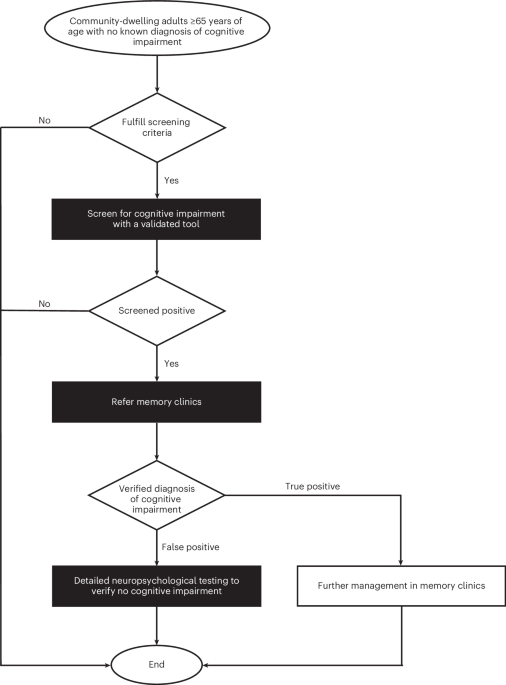

KEY SUMMARY:
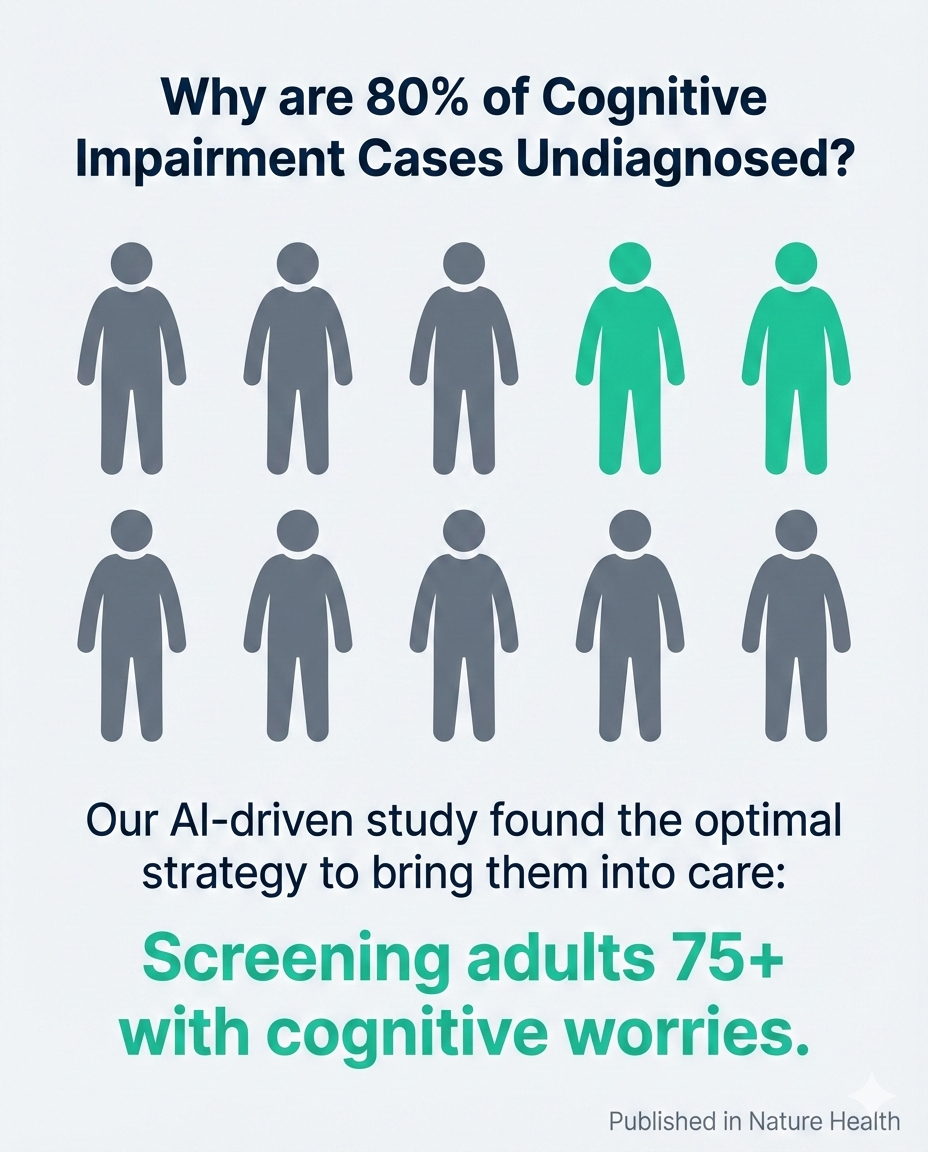
✅ The Problem: 4 in 5 cases of cognitive impairment are currently missed.
✅ The “Sweet Spot”: Screening adults aged 75+ who are worried about their memory offers the best balance of diagnostic reach and cost.
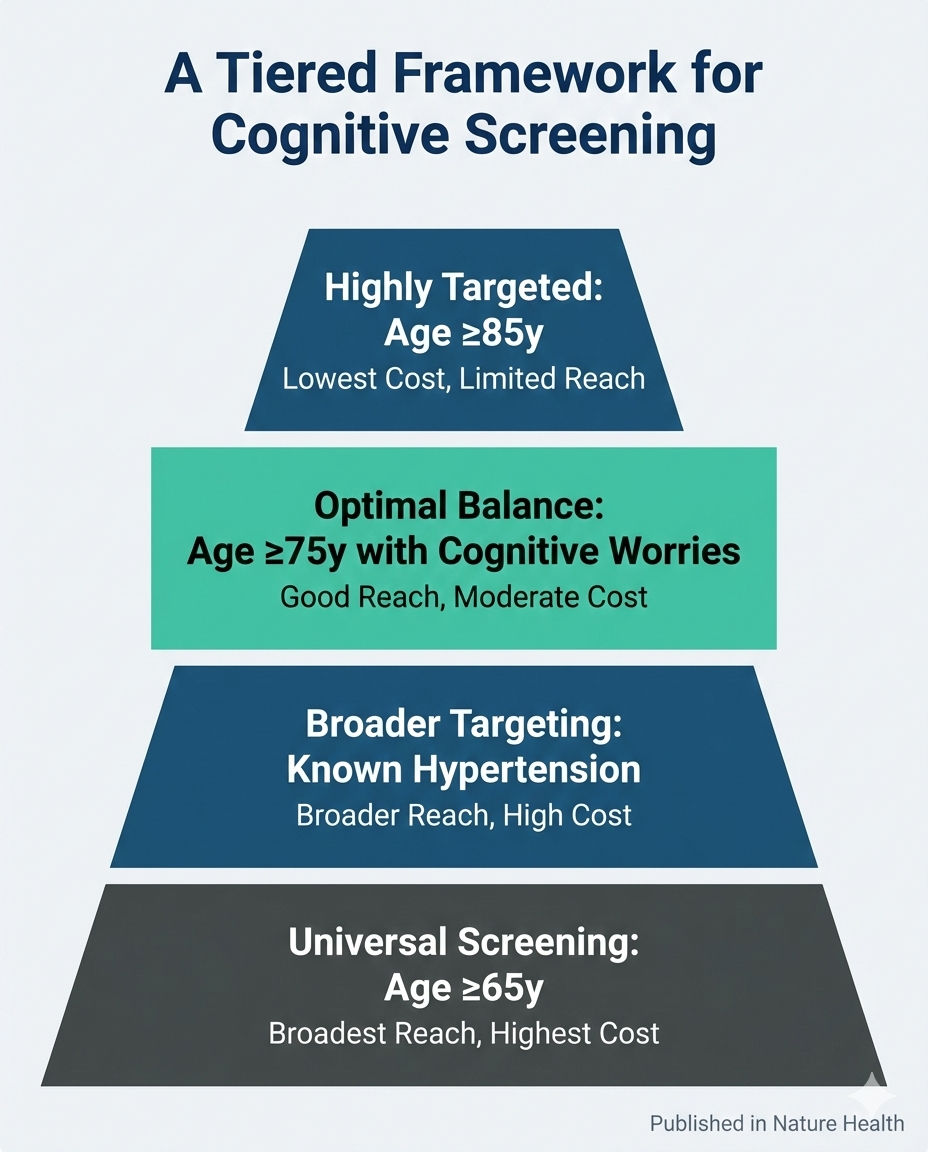
✅ The Policy Blueprint: We provide a tiered framework for health systems with different resource levels, from highly targeted approaches to broader strategies.
Read the full paper at Nature Health.
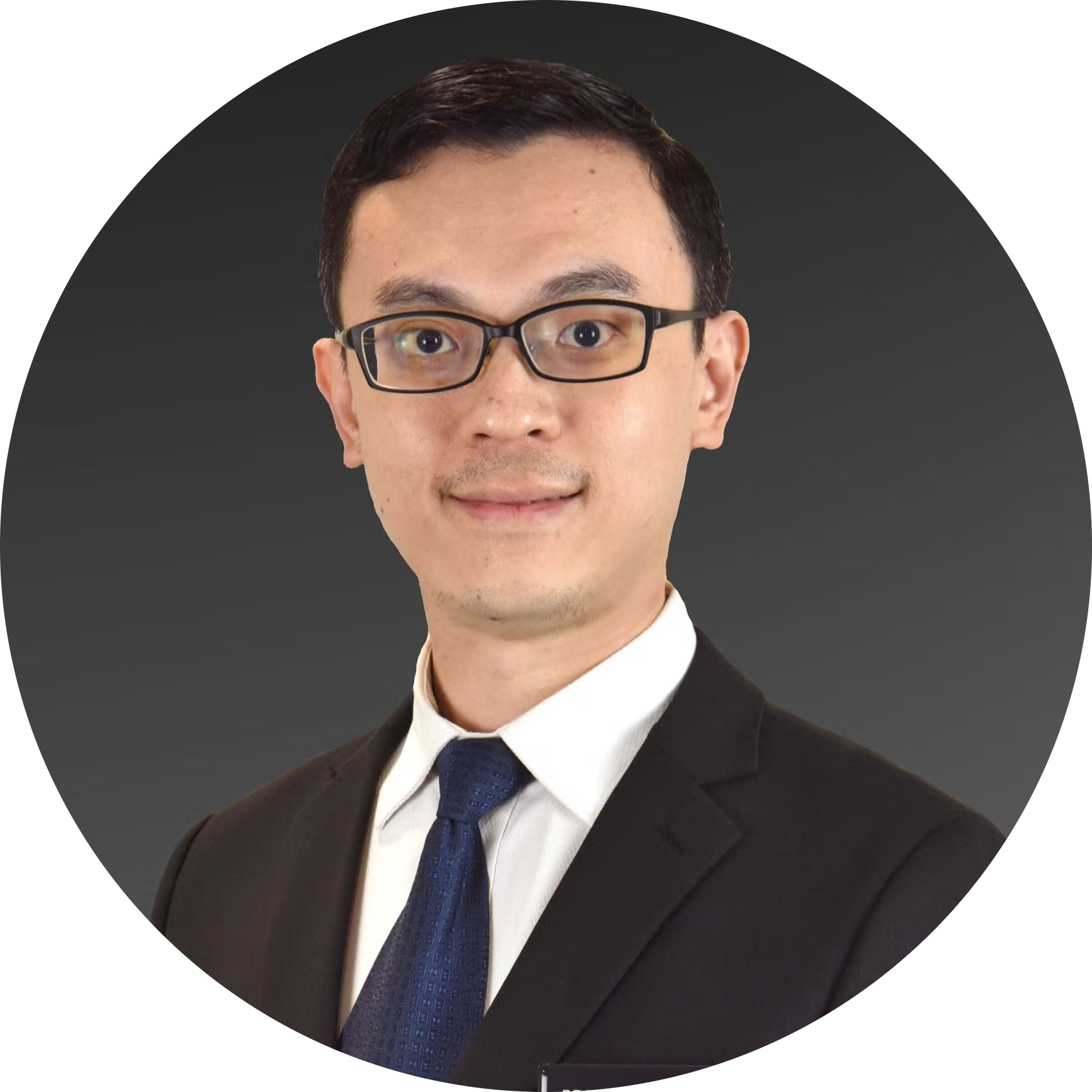
A/Prof. Liew is a Senior Consultant (Geriatric Psychiatrist) and Clinician Scientist at Singapore General Hospital, specializing in the care of older patients with memory and mental health issues. He leads the geriatric psychiatry service at Singapore General Hospital (SGH), serves as an Associate Professor at Duke-NUS Medical School, and was the immediate past co-lead of SGH’s Ageing and Population Health Research Peak. He has an interest in public health research, particularly in ageing and brain health. His research integrates behavioral and data sciences to address complex healthcare issues, exemplified by his role as the Lead Principal Investigator of Project PENSIEVE – a nationally-funded initiative that developed a scalable AI tool (PENSIEVE-AI) to detect cognitive impairment across diverse literacy.
Beyond his clinical and research roles, A/Prof. Liew actively contributes to the academic community. He is a clinical examiner for the Royal College of Psychiatrists (UK), and serves as an editorial board member of reputable medical journals (e.g. BMC Medicine, BMC Geriatrics, Healthcare). He also provides professional consultation to pharmaceutical companies (e.g. Lundbeck, Eisai) on matters related to geriatric psychiatry. A/Prof. Liew is dedicated to advancing geriatric psychiatry and public health, with a continual focus on strategies that enhance the wellbeing of the ageing population.
Follow the Topic
-
Nature Health
Nature Health publishes health research across the medical, social and environmental sciences and requires meaningful engagement with research participants and their communities.