A bag full of discoveries
Published in Microbiology



----------
That's it! That's why I once studied marine biology! This energy will fuel me for the next months as I sort, extract and analyze all samples in the lab, as I wrap my head around the results until - usually out of the blue - things start to become clearer.
----------
That's more or less what crossed my mind eight years ago, in June 2018, after jumping into one of the bags we had been sampling every day for more than three weeks... after catching my breath - the water temperature was just about 10°C.
|
|
|
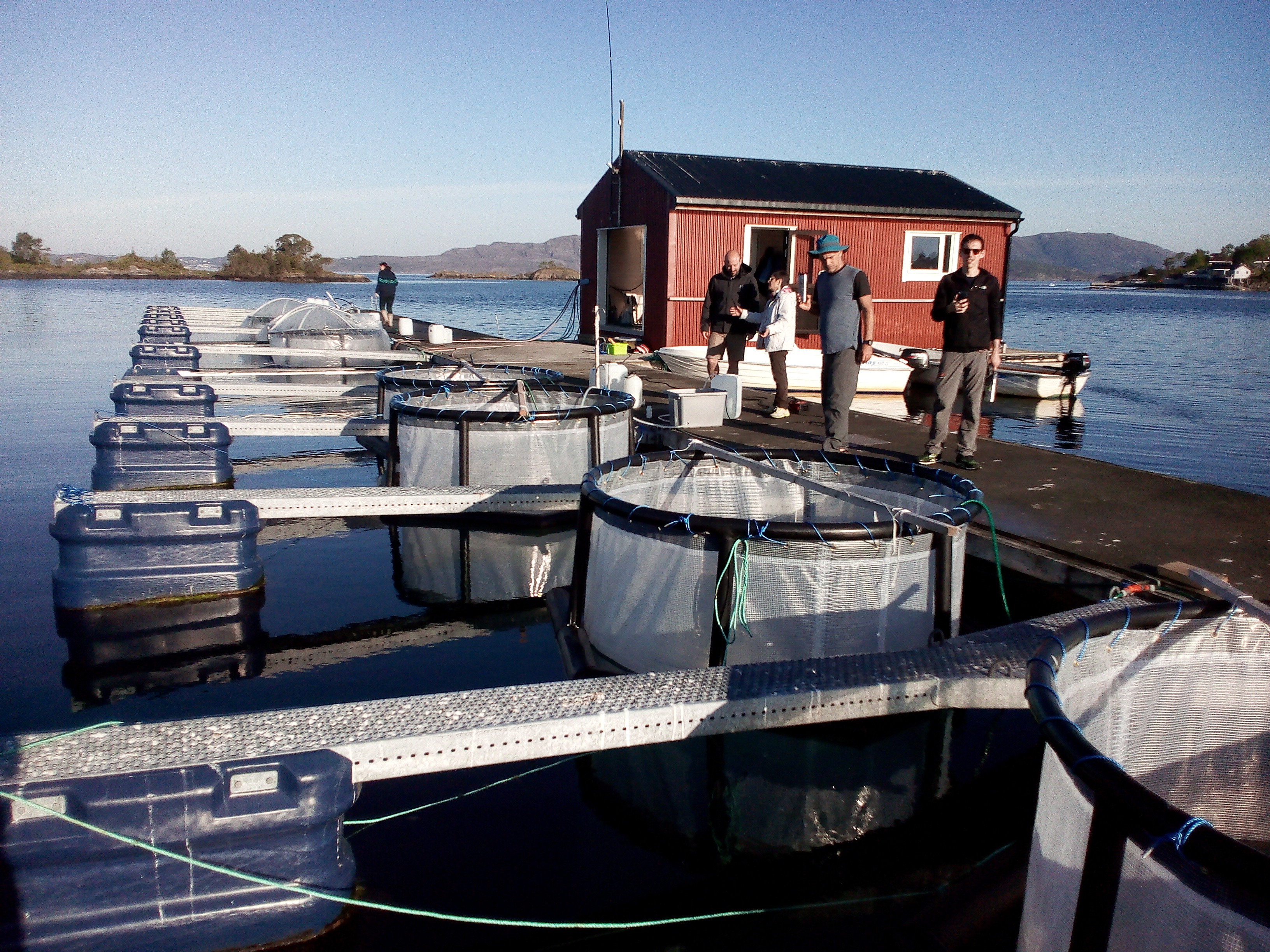
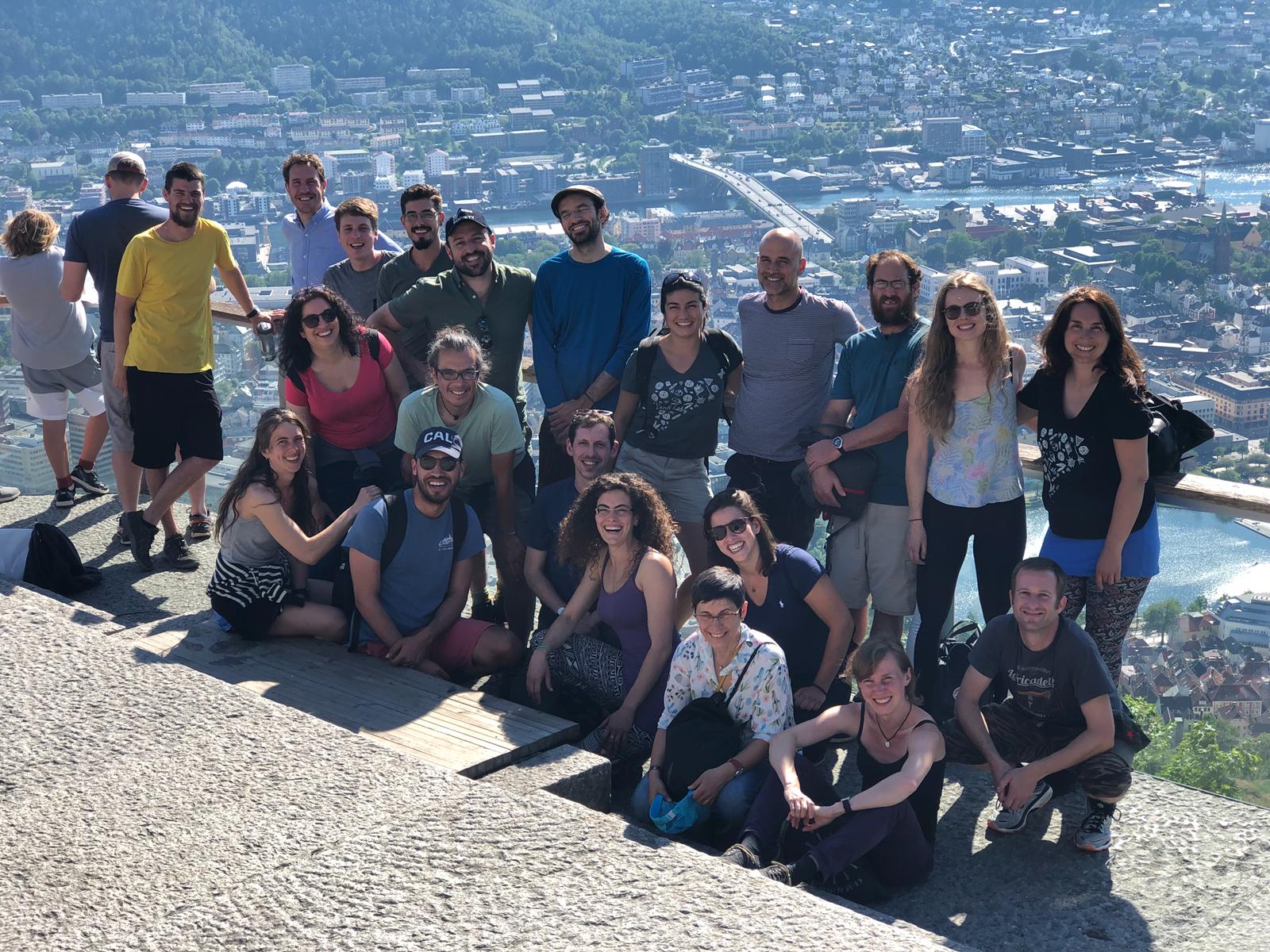
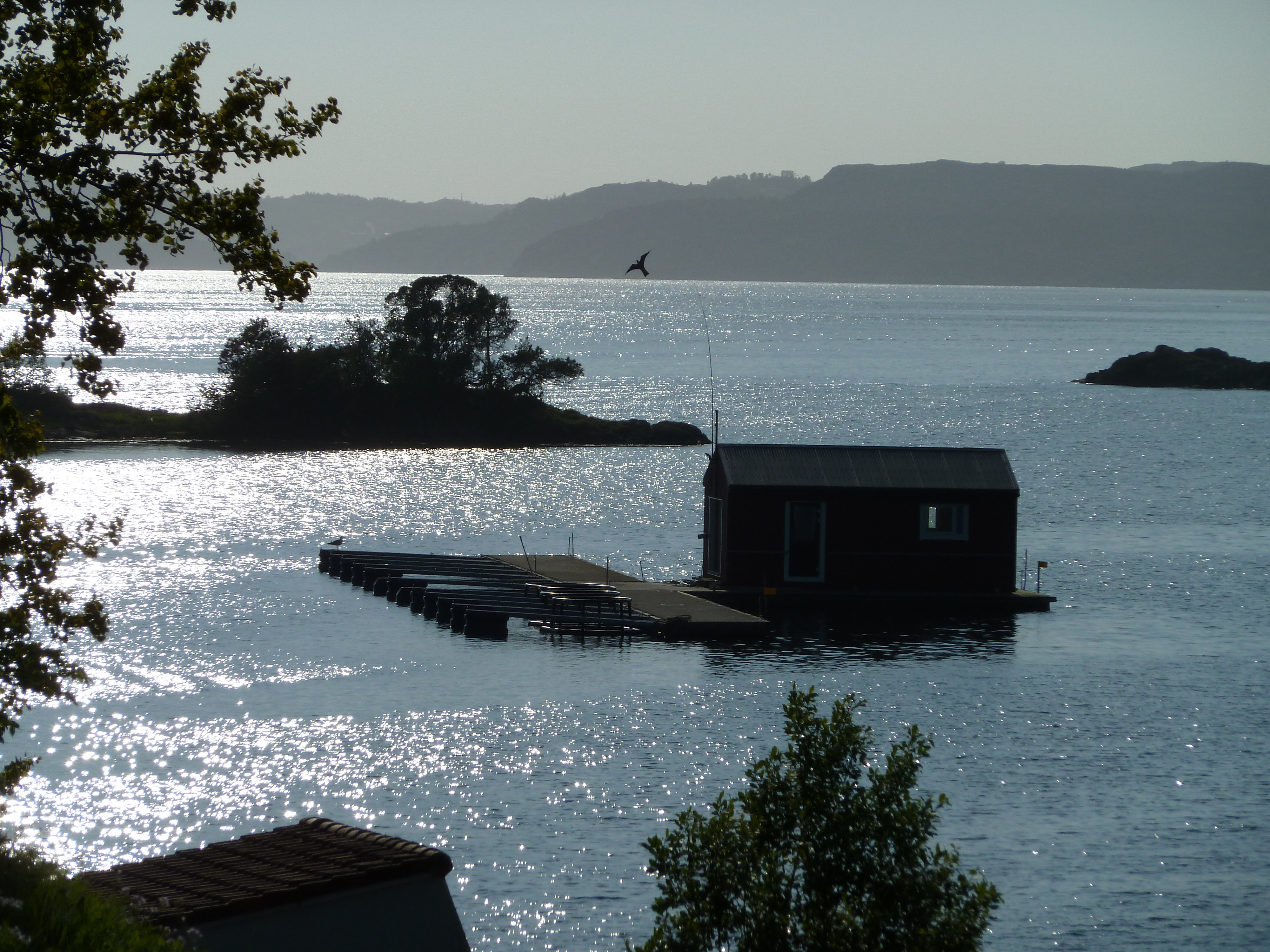
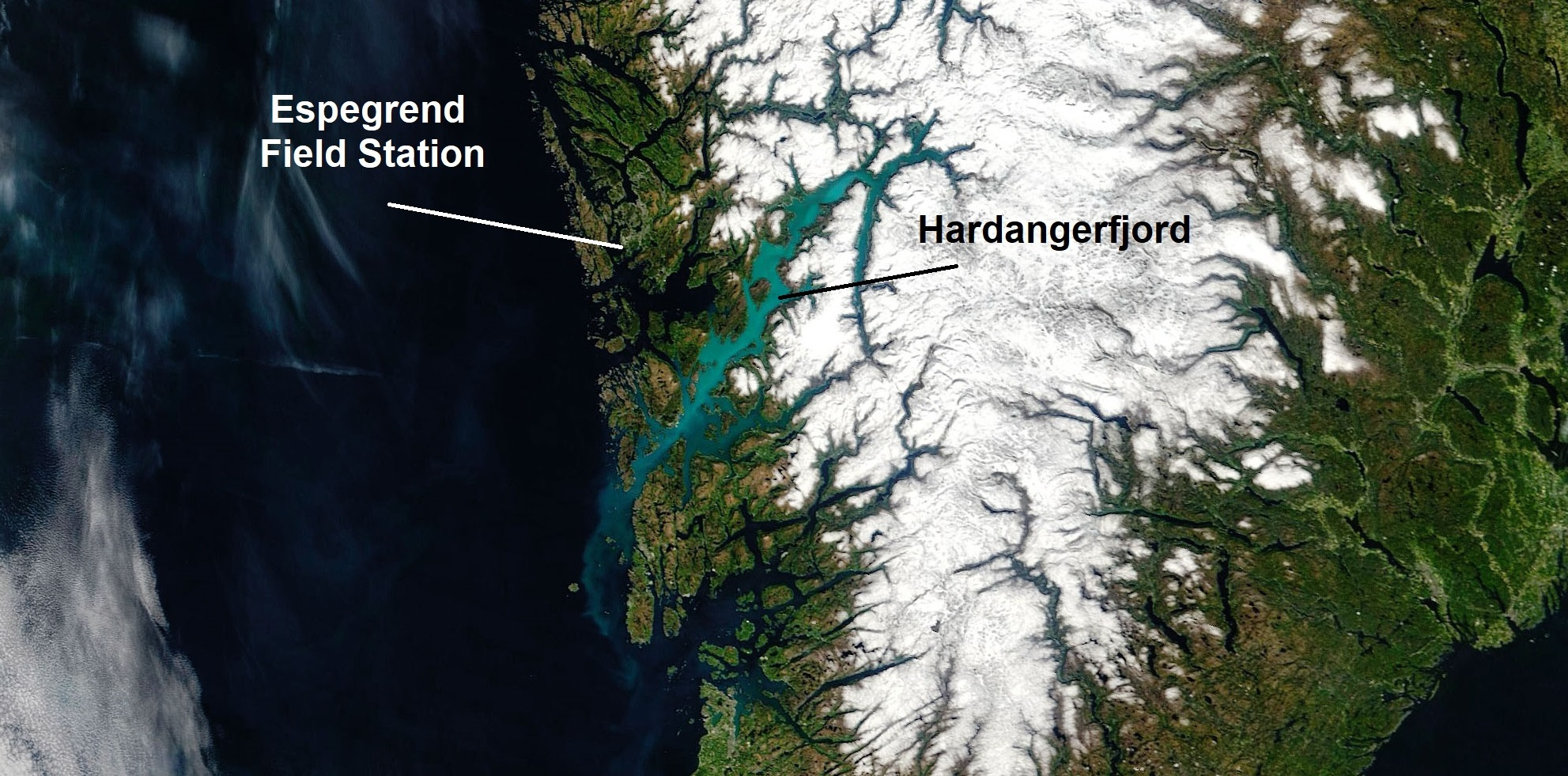
We - that's me, members of Prof. Assaf Vardi's lab, which I had joined only a few months earlier, and an amazing consortium of more than 20 marine biologists from around the world. We were in southern Norway, at the Espegrend Marine Field Station: two houses accommodating our living quarters and the lab, a small dock with boats, and, in the middle of the fjord, a floating raft to which we had attached seven large bags. We filled these bags with fjord water and fertilized them with nitrate and phosphate. And then, from sunrise till sunset, we followed how coccolithophore blooms unfolded right before our eyes, caught a virus, and collapsed... and the days seem to last forever at that time of the year!
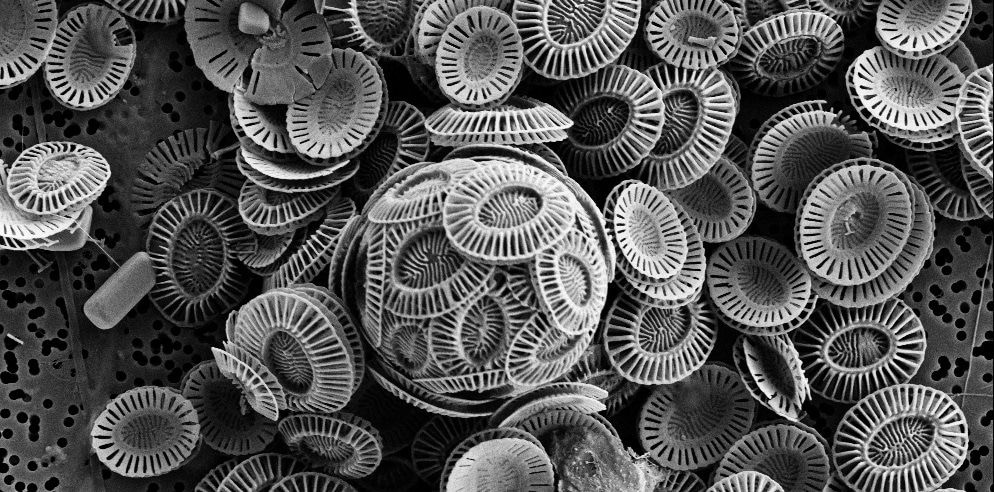
Coccolithophores are a group of microalgae that thrive in the surface ocean. Their cells are covered with an intricate chalk exoskeleton that scatters sunlight so well that the ocean appears turquoise, like a glacier lake, and makes them visible from space. The most important representative is called Gephyrocapsa huxleyi.
|
|
In 2018, we didn't know yet how many treasures these seven bags would hold for different research teams and topics. These gems extended from above to below the water surface. We found that algal blooms affect aerosol formation1 and that the algal metabolite DMSP modulates the swimming behavior of bacteria2. We saw how viral infection shifted microbiome composition3 and left a unique chemical footprint in the water4 that we detected a few years later in blooms along the coast of Patagonia5. However, when we obtained the smFISH results, which quantified viral gene expression in individual algal cells, we were puzzled: fewer than 30% of the algal cells expressed viral genes at any point during the bloom6,7. So, what led to their synchronized collapse?
It took us eight years from the energizing jump into the mesocosm bag to answer this question. And not just any eight years... after a smooth start, COVID roamed the world, and we competed for the few time slots in the lab. For a short time, life went back to normal. Until 7th October 2023. Then a war broke out, during which my beloved campus - the center of my life as an international researcher - was hit by missiles. Amid all of this, we escaped into exploring this question: What synchronized the bloom collapse?
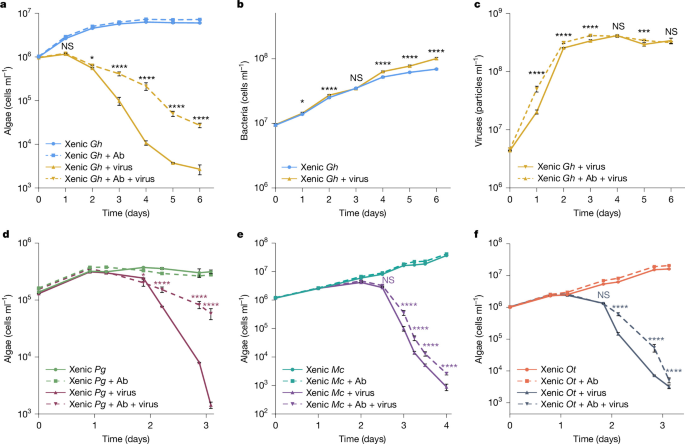
Together with Eliran Soffer, a PhD student in the lab, and with the help from multiple lab members, we established a laboratory model system to study algal bloom dynamics under controlled conditions. We developed a tripartite interaction setup comprising an axenic (bacteria-free) culture of G. huxleyi, its specific virus, and a bloom microbiome, all isolated from the mesocosm bags. We found stronger algal demise when we performed viral infections in the presence of the microbiome or some of its bacterial members. Specifically isolates of the genus Alteromonas stood out by leading to a strong synergistic culture decline.
When David Zeevi joined our department, we combined forces to investigate the microbial genomes and metabolic pathways of the tripartite model and environmental datasets like Tara Oceans. Our regular meetings became another treasure trove of curiosity, creativity, and commitment. This led us to derive the 'synergy index' (SI) and the 'benefit index' (BI) as quantitative metrics to describe (I) the bacterial effect on virus-induced algal mortality and (II) the growth benefit that bacteria get from feeding on dying algal cells.
Research thrives on a strong community. And the marine virus community is definitely a strong one! When we tried to expand from G. huxleyi to other relevant alga-virus model systems, neither Corina Brussaard (NIOZ, Netherlands) nor Kyle Mayers (NORCE, Norway) hesitated to share their cultures with us. We performed various experiments with Phaeocystis globosa (also known as 'foam alga' along the European coast) and the tiny green algae Micromonas commoda and Ostreococcus tauri (the smallest free-living eukaryote), only to find that also their microbiomes could expedite virus-induced algal mortality.
|
|
|
One plot twist came six years after the mesocosm, when we rediscovered the results of some chemotaxis assays we had performed in collaboration with Estelle Clerc (CellX Biosolutions, Switzerland) and Jean-Baptiste Raina (MPI Bremen, Germany). According to our 16S rRNA amplicon sequencing data, Alteromonas was a rather low abundant microbiome member (<5%) in the mesocosm blooms. So how could Alteromonas possibly affect the demise of these virus-infected blooms? Chemotaxis would do the trick.
Chemotaxis is the directed movement of a cell in response to a chemical gradient. Alteromonas bacteria have one or two flagella that enable them to gather around virus-infected cells already before cell lysis, and thus to co-infect and benefit from the organic carbon released during lysis.
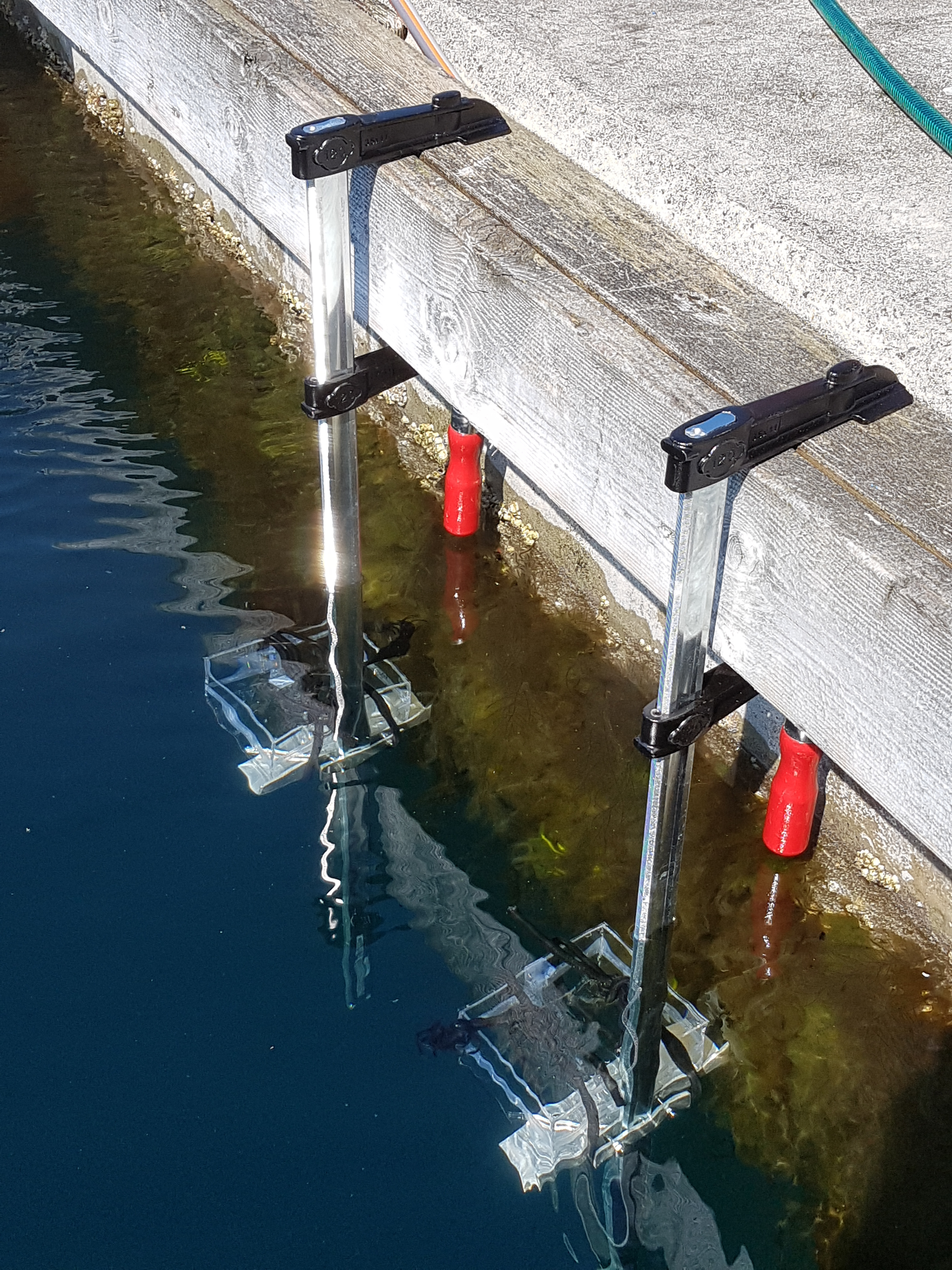
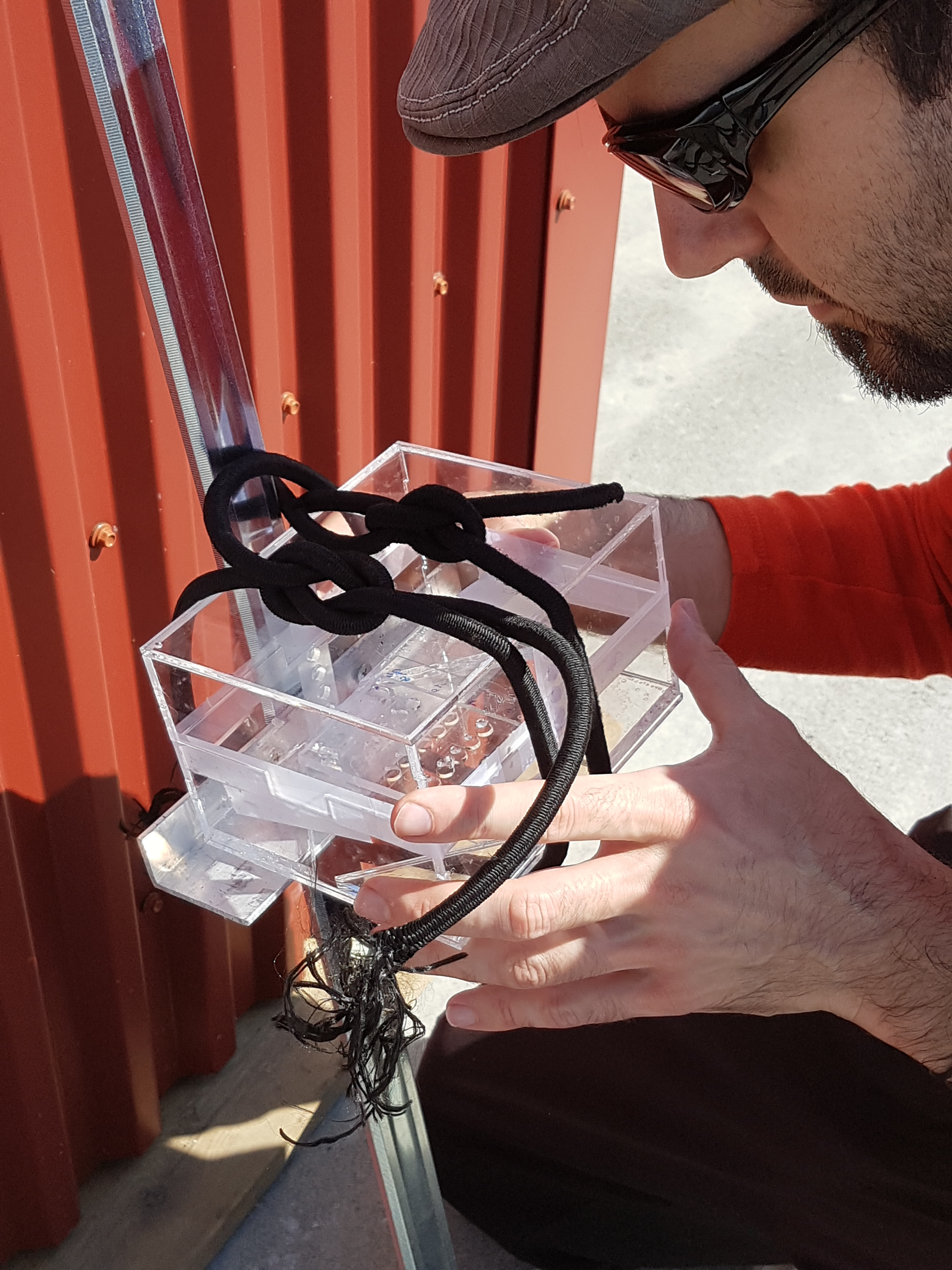
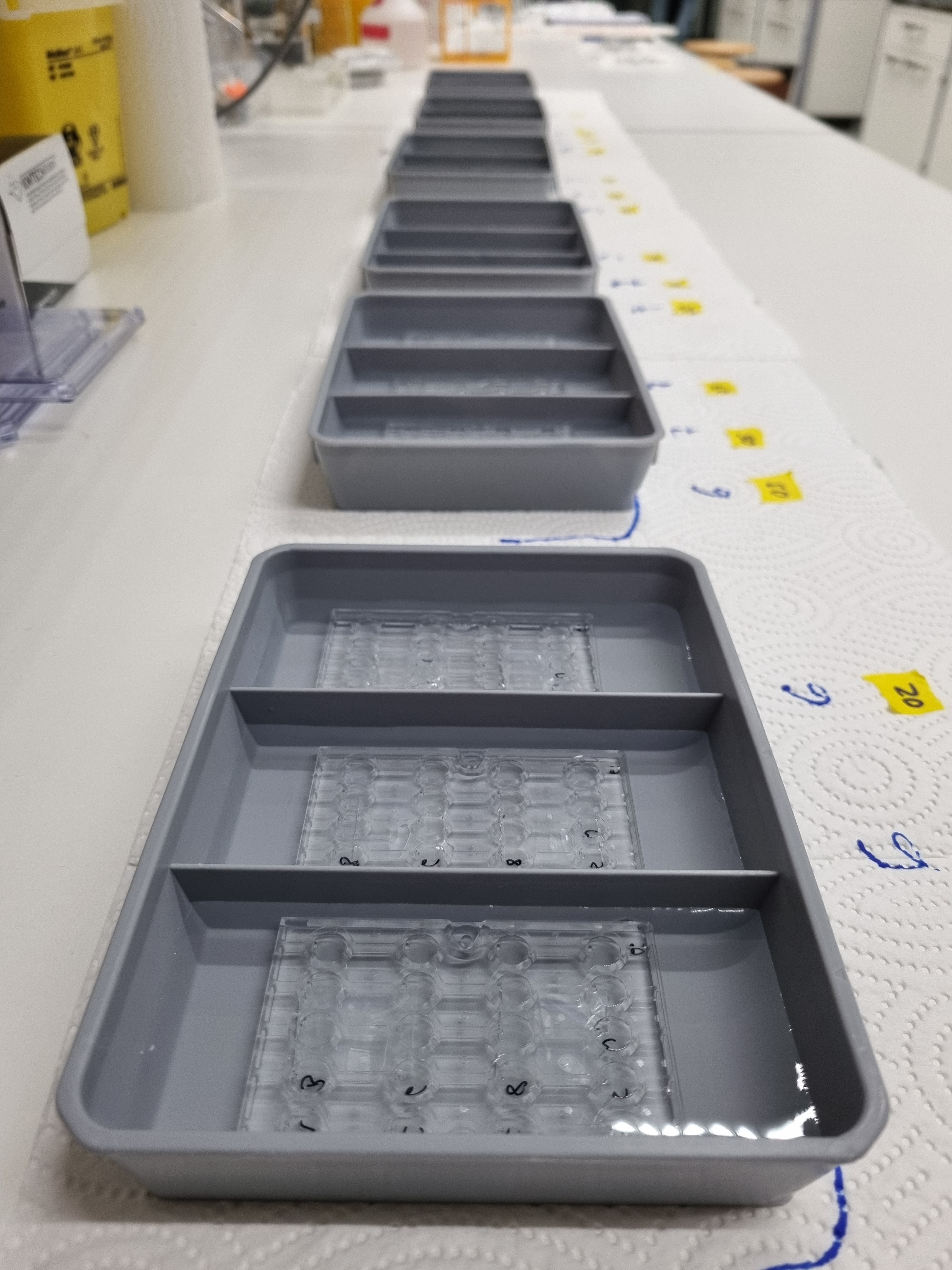
During the mesocosm experiment, Estelle and Jean-Baptiste performed chemotaxis assays using extracts from healthy and virus-infected G. huxleyi cells that we had brought with us. They deployed modified well plates into the bloom environment allowing bacteria to swim into the wells holding the cell extracts. Alteromonas not only increased in relative abundance from 5% to 40% but was also more attracted to the extracts from virus-infected cells! This result was like a gust of wind in our sails and motivated us to meet again in 2025 in the lab of Prof. Roman Stocker (ETH Zurich, Switzerland) to confirm this chemotactic preference.
Like our gut microbiome, the algal bloom microbiome seems to play an important role for the health and disease of algal blooms in the ocean. And we're only starting to understand the various ways in which the whole microbiome or specific members modulate the fate of a single algal cell, of the photosynthetically fixed carbon, and thus, of carbon cycling in the ocean.
----------
Each mesocosm bag held about 11,000 liters of fjord water, more than 500,000,000,000 coccolithophore cells, and a hundred times more viral particles. But even after eight years and all the exciting scientific discoveries we already enjoyed, it seems these bags will continue to be a rich source to research microbial interactions and to foster researcher interactions!
----------
References:
Follow the Topic
-
Nature
A weekly international journal publishing the finest peer-reviewed research in all fields of science and technology on the basis of its originality, importance, interdisciplinary interest, timeliness, accessibility, elegance and surprising conclusions.