A Complementary Proteomics and Cardiac Magnetic Resonance Approach to Characterize Right Ventricular Remodeling After Tetralogy of Fallot Repair
Published in Biomedical Research

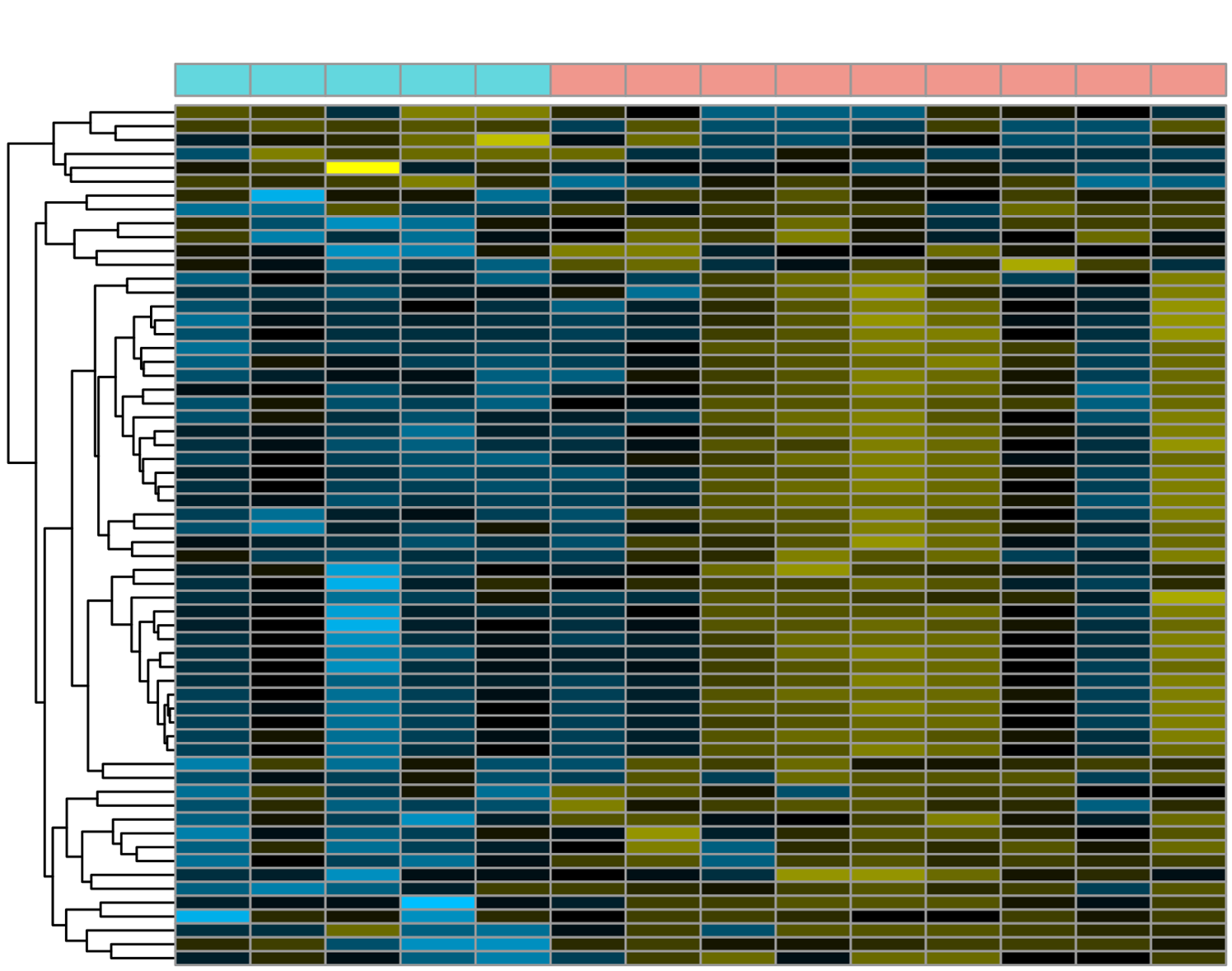


Patients with tetralogy of Fallot (TOF) undergo surgical repair as infants, but this is not curative. Most patients with TOF have residual lesions after surgery that put either an increased volume load or increased pressure load on the right ventricle (RV), which over time leads to right ventricular remodeling. The most common residual lesion is pulmonary insufficiency, which increases the RV volume load. There is wide variation in how an individual patient’s heart might respond to the same loading conditions. For example, some patients have RVs that dilate severely in response to a volume load from pulmonary insufficiency, and some patients with the same pulmonary insufficiency have only mild RV dilation. As a field, understanding RV remodeling in TOF, in particular in the context of deciding when to send patients for pulmonary valve replacement, is still a moving target. As a step toward improved understanding, we wanted to determine if there are biochemical differences between patients with different degrees of RV dilation to help us elucidate the mechanisms of RV remodeling in this population.
In the current study, we prospectively collected blood samples from 14 patients with repaired TOF and pulmonary insufficiency undergoing cardiac magnetic resonance imaging. They were divided into two groups based on their indexed RV end diastolic volume. Group 1 was more dilated with a median indexed RV end diastolic volume of 146 ml/m2 (moderately-severely dilated). Group 2 was less dilated with a median indexed RV end diastolic volume of 114 ml/m2 (mildly dilated). Untargeted proteomics analysis was used to evaluate differentially abundant proteins between the two groups.
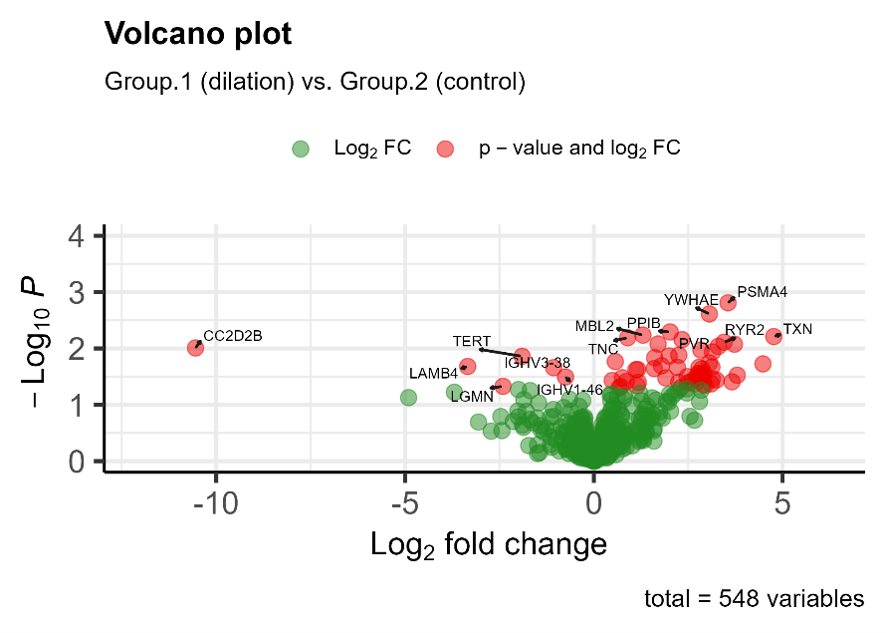
We detected 60 differentially abundant proteins between the two groups, including two proteins that were uniquely identified in Group 1 (more RV dilation). In particular, we detected altered regulation of genes related to metabolism with evidence of a shift from fatty acid oxidation to glycolysis in the patients in Group 1 (more RV dilation). We also detected altered regulation of genes related to antioxidant response.
The detected shift in metabolic programming has been seen in other studies of adverse right ventricular loading conditions, for example in animal models of RV hypertrophy using pulmonary artery bands. Glycolysis requires less oxygen consumption for energy production, however, also increases inflammation and yields lower ATP. We hypothesize that this is ultimately a maladaptive response that will lead to RV failure. On the other hand, the altered regulation of genes related to antioxidant metabolism may be adaptive. Increased abundance of proteins related to antioxidant response, protein quality control, and calcium signaling may help counteract the detrimental effects of the volume load on the RV and work to maintain RV function.
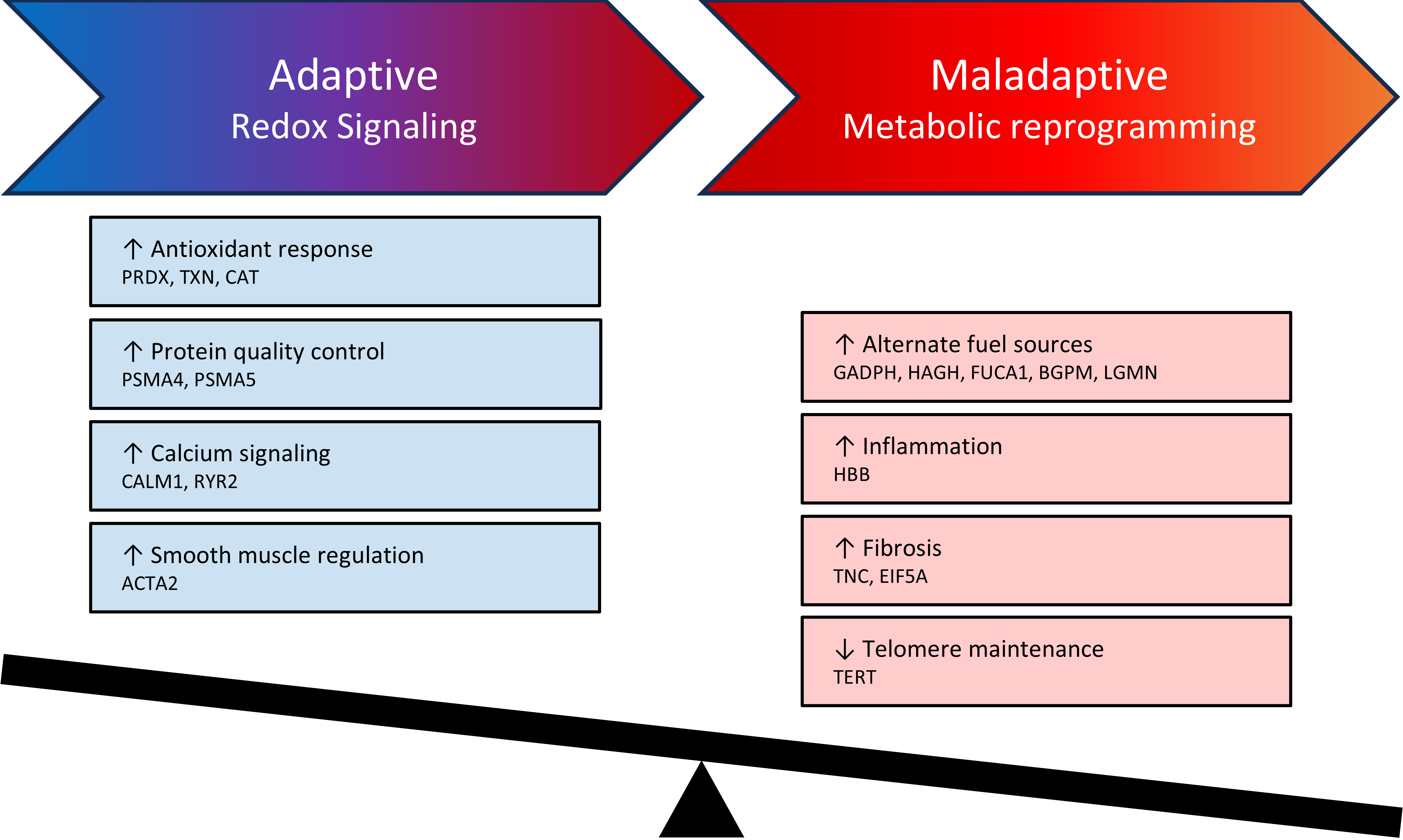
In summary, we identified a distinct proteomic profile in patients with more severe RV dilation after TOF repair that may represent both adaptive and maladaptive responses to a chronic volume load. This is a first step toward the goal of understanding the mechanisms of RV remodeling and incorporating proteomics to improve the clinical management of patients with repaired TOF.
Follow the Topic
-
Pediatric Research
Pediatric Research publishes original translational research papers, invited reviews, and commentaries on the etiologies and treatment of diseases of children and disorders of development, extending from basic science to epidemiology and quality improvement.