A Metal-Organic Framework glass Just Made Water Purification Faster
Published in Earth & Environment
If you’ve ever held a thermal receipt, drunk from a plastic bottle, or microwaved food in a plastic container, you’ve likely encountered Bisphenol A (BPA). This widely used industrial chemical is a known endocrine disruptor, meaning it can interfere with our hormones. While BPA is incredibly useful for manufacturing plastics and resins, its chemical stability becomes a serious problem once it leaks into rivers and groundwater—it stubbornly resists breaking down, posing a long-term threat to aquatic ecosystems and human health. Traditional wastewater treatment plants often struggle to remove it completely, which has driven scientists to develop more powerful and practical solutions.
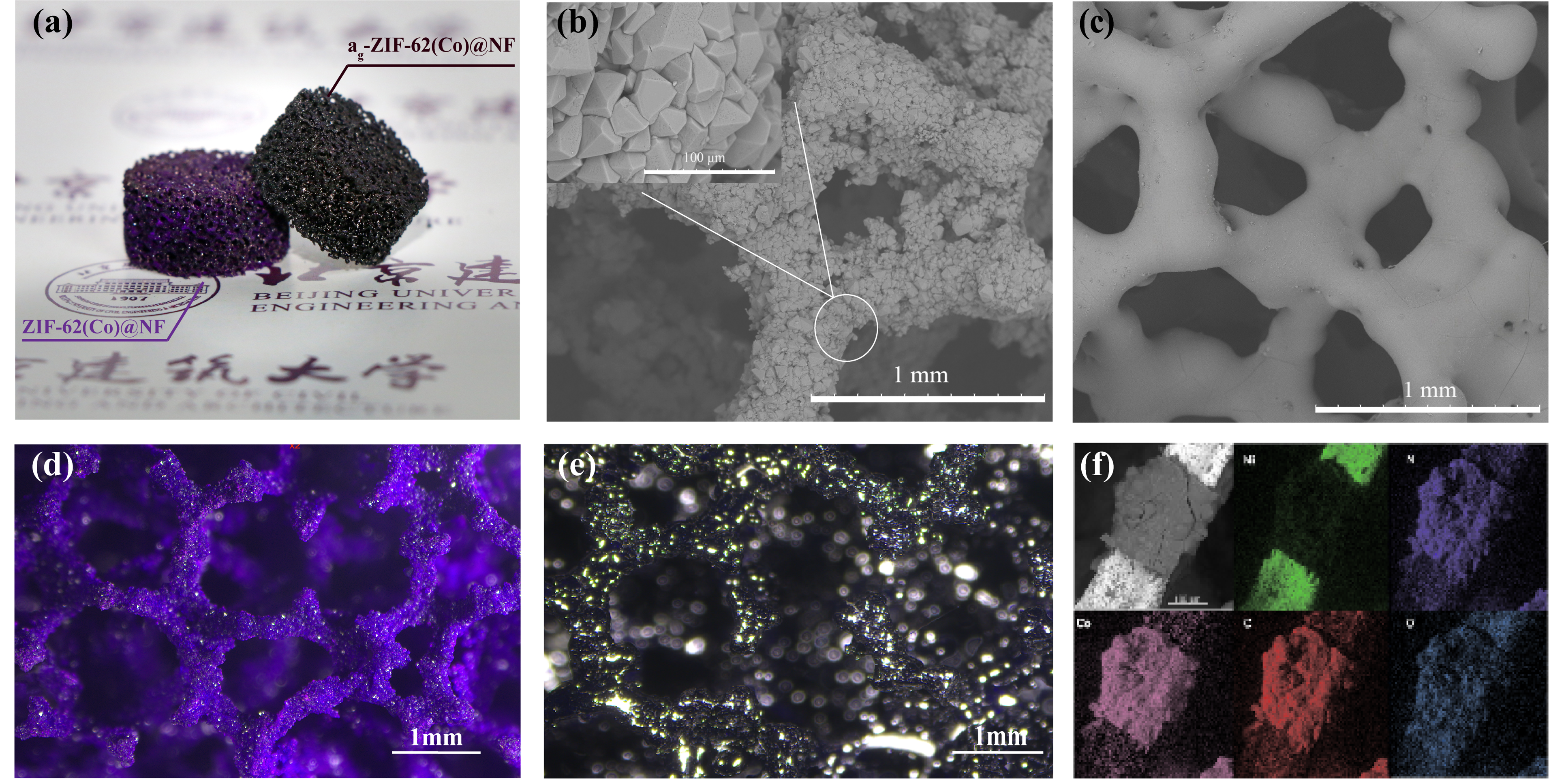
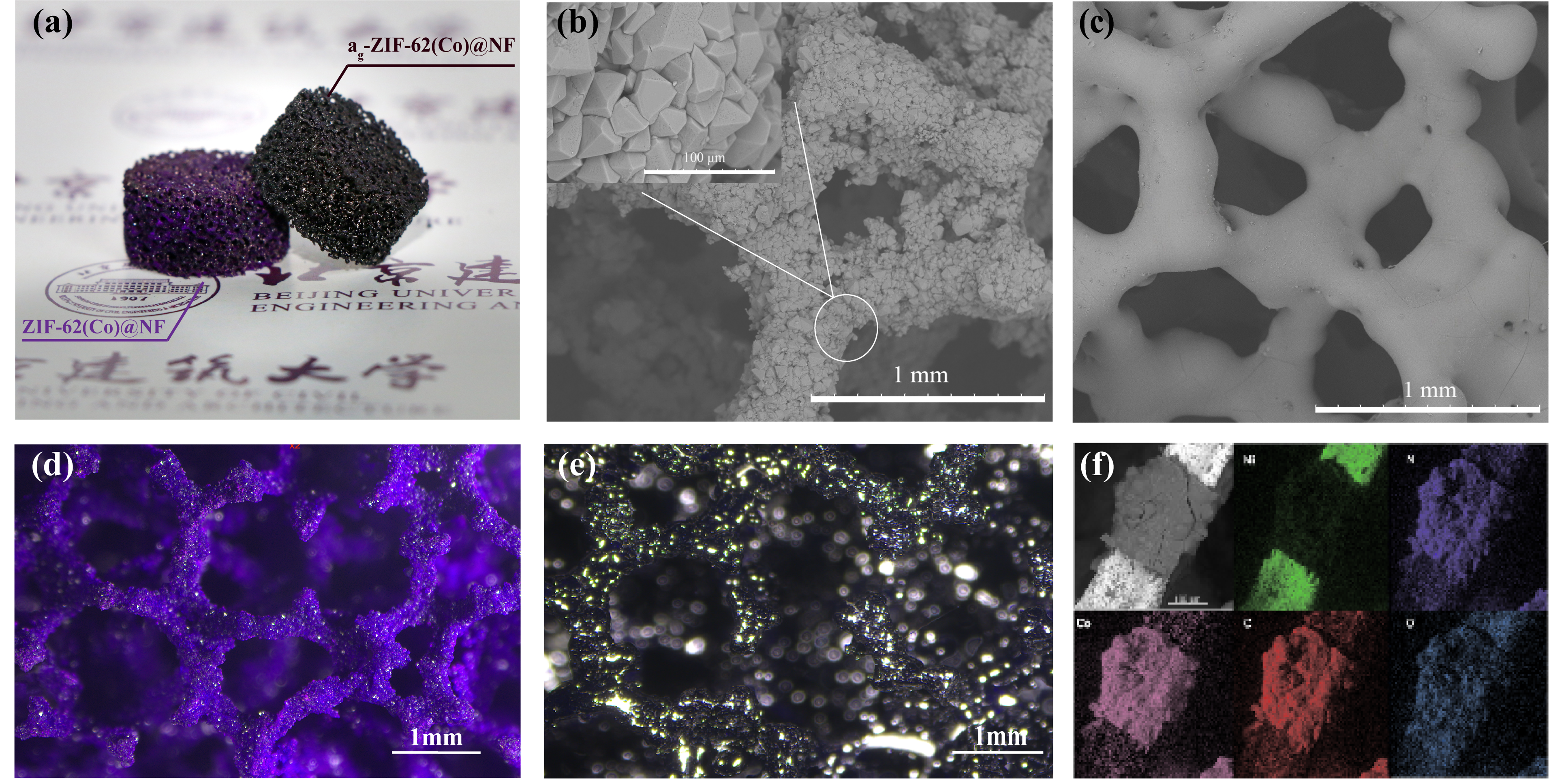
A team of researchers in China has just published a fascinating study detailing a clever approach that sounds almost like alchemy. They took a cobalt-based metal-organic framework (MOF) called ZIF-62(Co)—a crystalline material with a sponge-like structure—and melted it into a glassy state. Instead of leaving it as a fine powder that would be difficult to recover from water, they fused this molten glass onto a piece of nickel foam, which acts like a lightweight metal scaffold. Because the MOF flows freely when melted, it perfectly coats the foam’s three-dimensional network without needing any binders or adhesives. The result is a sturdy, reusable catalyst that can simply be dropped into polluted water and easily pulled back out when the job is done.
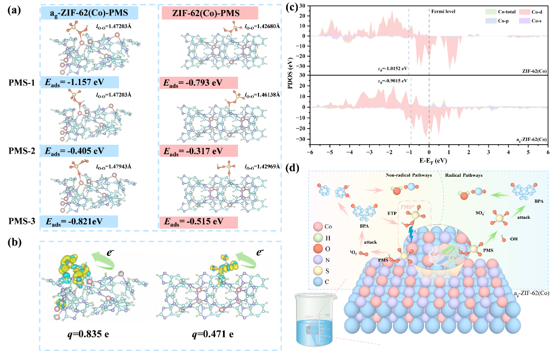
The performance difference between the glassy version and its original crystalline form turned out to be striking. When activated with a common oxidant called peroxomonosulfate (PMS), the glass-coated foam destroyed 99.9% of BPA in just 15 minutes—more than two and a half times faster than the crystalline material. Using computer modeling, the team discovered that the glassy structure actually grabs onto the oxidant more tightly and transfers electrons more efficiently, generating a rush of highly reactive species that aggressively break the BPA molecules apart. What’s more, when the researchers added chloride—a salt commonly found in natural waters—the reaction sped up even further, achieving complete degradation in just 2 minutes. This unexpected boost makes the system particularly promising for treating real industrial or surface waters, where salts and other impurities usually hinder rather than help.
Beyond speed, the team proved that the process genuinely detoxifies the water rather than just transforming pollutants into equally harmful byproducts. They used the treated BPA solution to water mung bean seeds; while seeds exposed to the original BPA solution struggled to grow, those given the degraded water sprouted healthy roots and shoots. To test practical feasibility, they built a small continuous-flow reactor packed with the catalyst and ran it for 120 hours, during which the material maintained over 99.9% removal efficiency without losing its stability or shedding particles. This work not only expands the application scope of MOF glasses from laboratory curiosities to engineered water treatment tools, but also offers a durable, high-performance path toward cleaning up stubborn organic pollutants in real-world environments.
Title: Immobilized ZIF-62(Co) glass on Ni foam for peroxomonosulfate activation and pollutant degradation
Authors: Xin Jiang, Peng Wang, Ruo-Xuan Mei, Hong-Yu Chu, Xiao-Feng Dong, Xing-Lin Lv, Zhao-Yi Liu, Ke-Xin Li, Xin-Yi Sheng, Anping Wang, Jiguang Deng, Chong-Chen Wang
Journal: Applied Catalysis B: Environment and Energy
Volume: 400
Year: 2027
Article Number: 127241


Please sign in or register for FREE
If you are a registered user on Research Communities by Springer Nature, please sign in