Amplifying Black Voices
Published in Social Sciences and Education
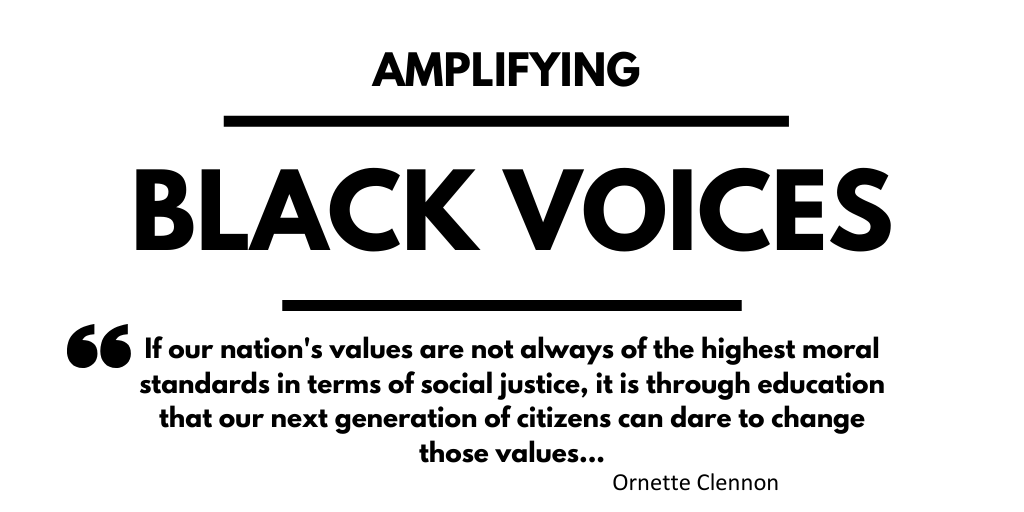

Amplifying Black Voices is a platform for black authors to share personal accounts about their life experiences in research and academia, as well as reflect on the Black Lives Matter movement, the current state of affairs and where we go from here.
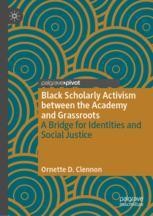
Ornette Clennon, a critical race scholar, shares his true personal story with us. I [Lucy Frisch] was lucky enough to record this story with Ornette at the Springer Nature offices in London. In fact, this podcast directly inspired his book, Black Scholarly Activism between the Academy and Grassroots, published with Palgrave, Have a listen to his story below, plus read his thoughts on the power of education and how researchers today must work to bridge the gap between academia and the public.
Read and listen here.
The Background
As I was recording this podcast about the origins of my research into community education as social justice, many of my lived experiences growing up as Black boy in Manchester, UK in the 70's and 80's grew in significance for me. I think the opportunity to look back and reflect on my upbringing and early education, really opened my eyes to the social activism that my family and later myself were unwittingly undertaking at the time, as a way of life. Issues around my early experiences of education where teachers openly had low expectations of what I could achieve in life alongside wider experiences of family members who were regularly harassed by the police began to personally encapsulate the societal attitudes towards Britain's ethnic minorities at that time.
My Research into Education as a tool for Social Justice
Recording the podcast allowed me to distill my thoughts into the volume Black Scholarly Activism; A Bridge for Identities and Social Justice. I was able to use community education as a prism through which to interrogate scholarship around social injustice. At that time, I was Deputy Headteacher of the MEaP Academy Twilight School, which is a supplementary school in Greater Manchester, largely catering for Black and Asian young people, although open to all communities. The Twilight School is part of Manchester Supplementary Schools Partnership (MSSP) where supplementary schools from diverse communities in Manchester, run by parents and volunteers, aim to balance the education of their young people by maintaining and promoting cultural heritage and sometimes community languages in order to use those community facets to improve educational attainment for their young people. In the case of our Twilight School (named because it is held in the evening after mainstream schools), we use the cultural heritage of our young people as creative platforms for curricula engagement. We do this primary through both English Language and Literature where secondary and sometimes primary curriculum texts that reflect the heritage of our young people can be studied.
We have also found that using these texts allows our young people the safe space to discuss whatever social injustices they might be facing at school. As you can imagine, this is difficult for the average 14 - 16 year old (the yr10s and yr11s that we teach). But using texts where those issues are creatively explored by young characters that look like them has enabled our young people to critically reflect on the characters they study but also their actions through the storylines.
So, if the engagement of texts is stimulating enough, our young people organically develop the critical reading and writing skills required of them for their exams. Or in other words, they begin to appreciate the teaching of these technical analytical literary skills because their application is less abstract and more relatable to their young minds and environments. We have found that once they master these critical skills with us, they have been able to apply their learning to their schools' texts which tend to be less diverse and in many cases less relatable to them.
So the podcast got me thinking about what Education is for. How exactly does it benefit young people, beyond just getting good grades? How does it build the necessary Life Skills to carry our young people throughout their adult lives and the challenges they will face? Black Scholarly Activism very much addresses these issues and has become an extension of the conversation started in my earlier volume Alternative Education and Community Engagement: Making Education a Priority.
Supplementary Schools and Their Central Place in Communities
At around this time of writing Black Scholarly Activism, I was invited by Manchester City Council to work on a Policy Paper in response to the then government's 2018 Integrated Communities Green Paper, where we advocated for the central role of supplementary schools in delivery community cohesion in their local communities. Here is an excerpt from our Executive Summary:
Supplementary schools are volunteer-led spaces, offering educational, cultural and language provision for mainly black and minority ethnic (BME) children and young people. Research has consistently shown that they offer an invaluable resource for many pupils, but are often overlooked by mainstream schools and education funders. (Nwulu, 2015, p. 7). According to Ramalingam & Griffith’s (2015) report, there are between three to five thousand supplementary schools across the country that operate mainly on Saturdays and sometimes on weekdays in the early evening. These statistics are especially important when we consider that approaching a third of all BAME pupils attend supplementary schools alongside mainstream education.
In order to give feedback on the Green Paper, we arranged two focus group meetings with a range of BAME supplementary schools from Greater Manchester’s African and African Caribbean, Somali, Muslim, Arab and Chinese communities. Our discussions with the focus groups revealed the wide range of activities that our supplementary schools undertake and although their central focus is education, they very much act as community hubs with the potential to deliver an even greater range of community services. The overwhelming sentiment from our groups was that the government needs to greatly expand its current recognition of ‘out-of-school settings’ to include the wide range of community activities that supplementary schools already run to “build[ing] strong, integrated communities” that “challeng[ing] attitudes and practices which…foster[ing] division” (HM Government, 2018, p. 16)
Policy Recommendations
We would suggest that funding is needed for pilot projects that promote community cohesion and inter-school cooperation. These pilot projects could act as opportunities for supplementary schools to build track-records for larger consortium-based commissioned community services (e.g. youth engagement, adult literacy, etc.)
We would suggest that more funding is needed to create a dedicated Local Authority team that looks after safeguarding and (teacher) training for supplementary schools. This team would also be responsible for managing any paper work that future regulation might create.
Taken from here
This policy stance has also been continued at the United Nations, where we advocated for supplementary education playing a globally central role in building grassroots communities' resilience in the face of the social injustices.
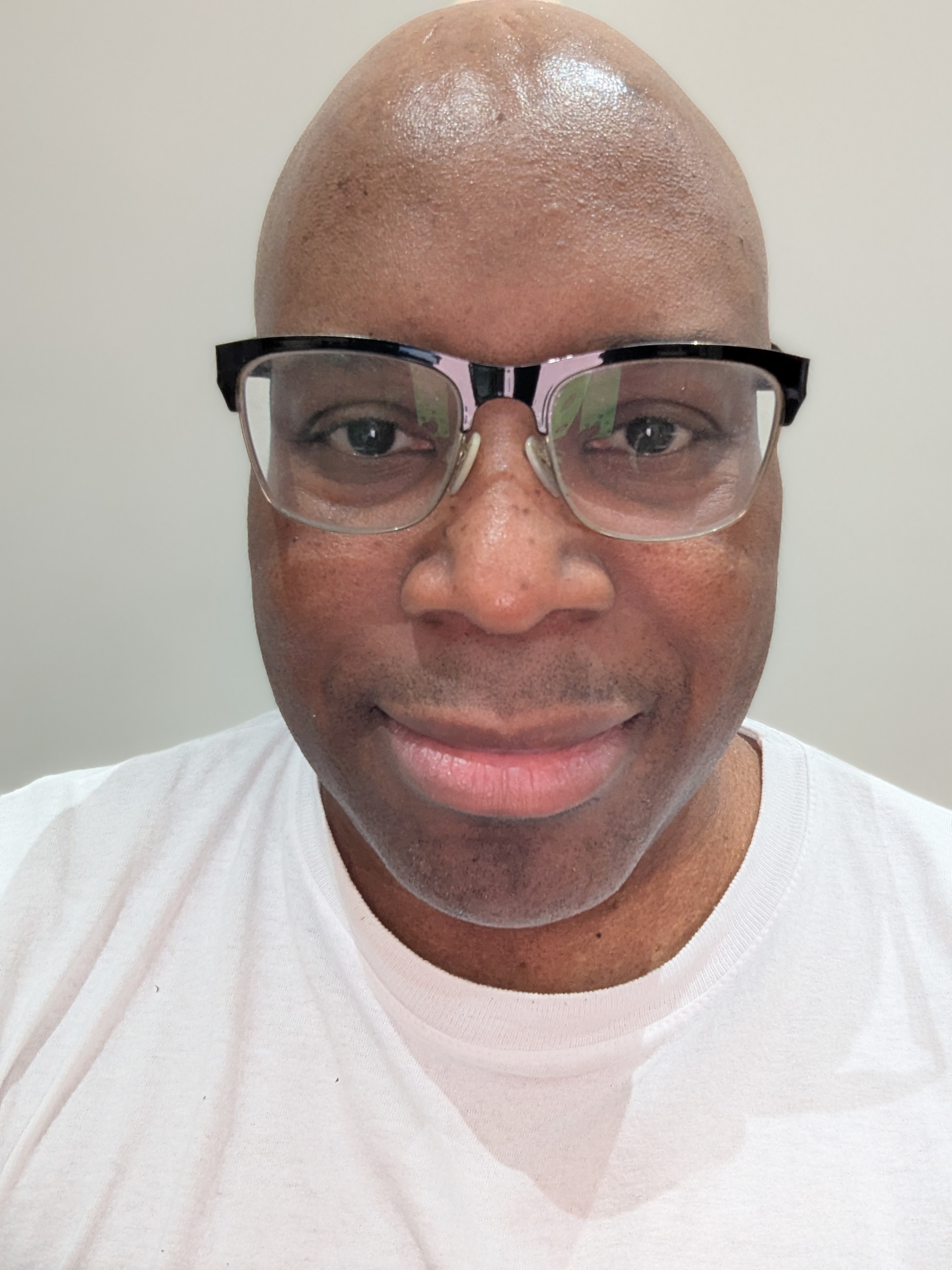
Dr. Ornette D. Clennon is the Head of Institute at MACTRI (Manchester Community Training & Research Institute). He is also a collaborating researcher and Visiting Professor at the Federal University of Amazon (UFAM), where he contributes to the theme of decolonial community and liberation psychology.
Ornette has also been a Visiting Research Fellow in critical race studies and lecturer in community arts practices and popular musicology at Manchester Metropolitan University (ManMet), where he led its Critical Race and Ethnicity Research Cluster.
As a ManMet representative, Ornette was a Public Engagement Ambassador for the National Co-ordinating Centre for Public Engagement (NCCPE). Ornette's engaged scholarship that bridges the gap between the academy and the grassroots has been recognized with the 2011 NCCPE New Partnership Award.
Ornette is a community activist at local, national and international levels, as he works with the MEaP Academy Community Education Centre where he is their Head of Online Learning, The Ubele Initiative, Locality, The Alci Matos Community (Manaus, Brazil), United Nations International Coalition of People of African Descent (ICPAD) in association with OHCHR, MACC (Manchester Community Central), CAHN (Caribbean and African Health Network), GMHSCP (GM Health and Social Care Partnership), Young Manchester, Young People’s Foundation (YPF) and the National Resource Centre for Supplementary Education (NRCSE), where he has been their Chair of Trustees.
Ornette is widely published, among his latest books are Alternative Education and Community Engagement: Making Education a Priority (Palgrave Macmillan, 2014), Urban Dialectics, The Market and Youth Engagement: The Black Face of Eurocentrism? (Nova Science Publishers, 2015), International Perspectives of Multiculturalism: The Ethical Challenges (Nova Science Publishers, 2016), The Polemics of CLR James and Contemporary Black Activism (Palgrave Macmillan, 2017) and Black Scholarly Activism between the Academy and Grassroots: A Bridge for Identities and Social Justice (Palgrave Macmillan, 2018).
Ornette is also the Series Editor for book series Palgrave Studies in Decolonisation and Grassroots Black Organic Intellectualism and co-author with Professor Claudia Sampaio of Decoloniality in the Grassroots: The Re-emergence of the Black Organic Intellectual (2023), the first volume in the series.
Follow the Topic
Introducing: Social Science Matters
Social Science Matters is a campaign from the team at Palgrave Macmillan that aims to increase the visibility and impact of the social sciences
Continue reading announcement