Association between KCNJ11 rs5219 polymorphisms and gestational diabetes mellitus: A meta-analysis

A pregnancy-related glucose resistance condition characterized by varying degrees of hyperglycemia results in gestational diabetes mellitus. The KCNJ11 gene polymorphism is linked to the KATP channel, which plays a crucial part in various physiological processes in GDM.
Association between KCNJ11 rs5219 polymorphisms and gestational diabetes mellitus: A meta-analysis
Like

Share this post

Choose a social network to share with, or copy the URL to share elsewhere

This is a representation of how your post may appear on social media. The actual post will vary between social networks

Explore the Research

SpringerLink
SpringerLink SpringerLink

Association between KCNJ11 rs5219 polymorphisms and gestational diabetes mellitus: A meta-analysis - International Journal of Diabetes in Developing Countries

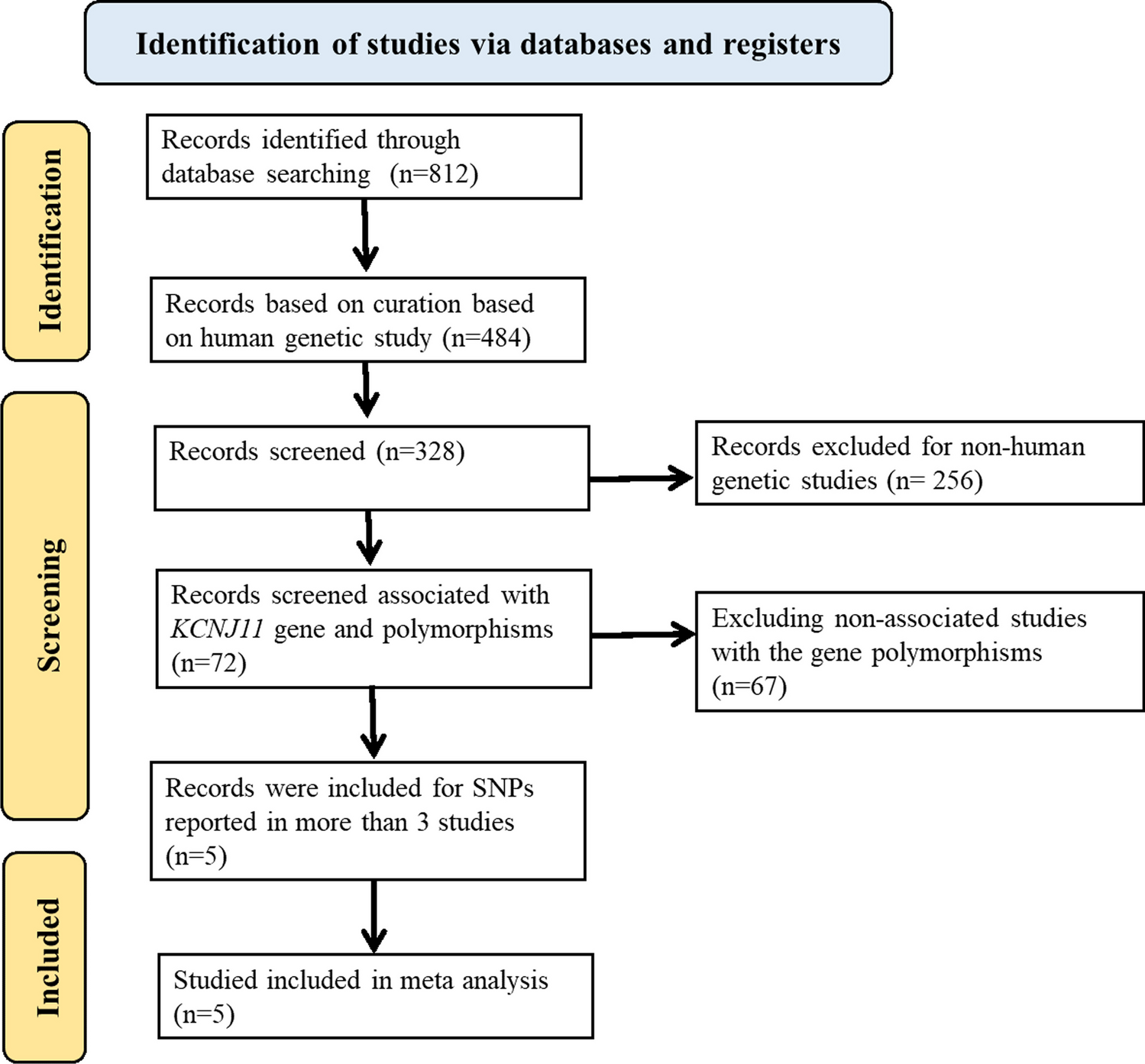
Background Gestational diabetes mellitus (GDM), characterized by hyperglycemia during pregnancy, is influenced by various factors, including genetic predisposition. The potassium inwardly rectifying channel gene (KCNJ11) and its polymorphisms, such as rs5219, have been implicated in diabetes. This study intends to assess the efficiency of meta-analysis to assess the link between KCNJ11 rs5219 polymorphism and GDM risk. Objective The primary objective is to examine the probable link between the KCNJ11 rs5219 polymorphism and the risk of resulting GDM through a comprehensive meta-analysis. The study aims to contribute insights into the genetic factors influencing GDM susceptibility, specifically focusing on the KCNJ11 rs5219 polymorphic site. Methods A thorough literature search was conducted on Embase, PubMed, and Google Scholar, focusing on studies examining the association between KCNJ11 gene polymorphism and GDM. Inclusion criteria encompassed case–control studies providing genotypic and allele frequency data. The Newcastle–Ottawa Scale assessed study quality. Statistical analyses, utilizing Review Manager 5.4, included heterogeneity assessment, odds ratio calculation, and exploration of publication bias. Results These findings indicate that KCNJ11 rs5219 is a significant risk factor for GDM, especially in recessive genetic models. Further research is essential to verify these conclusions and to identify the processes behind them. The Begg and Egger tests show no indication of publication bias in our study. Conclusion This meta-analysis indicates a slightly significant association between KCNJ11 rs5219 polymorphism, specifically in the recessive model, and an amplified risk of GDM. The results highlight the intricate interplay of genetic factors in GDM and advocate for further research to unravel underlying mechanisms. Insights gained from this study may contribute to enhanced diagnostics and tailored treatments for individuals affected by gestational diabetes mellitus.

Essentially, our study strongly suggests that a specific gene variation, known as KCNJ11 rs5219, is significantly linked to a higher risk of GDM, especially when considering a particular genetic model. This gene seems to play a notable role in influencing who might be more prone to developing GDM during pregnancy. However, it is important to note that the relationship between this gene and GDM is not straightforward, and it varies depending on different factors, such as the genetic models used in studies and the populations being investigated. This complexity emphasizes the intricate nature of genetic influences on GDM. Our study's findings highlight the need for more research to dig deeper into the mechanisms behind this genetic association, considering differences among various populations. Understanding these genetic factors better could eventually lead to improved ways of identifying and treating individuals at risk of or affected by gestational diabetes.