Associations of Internet Use and Pregnancy Loss with Depression and Anxiety among Women in Bangladesh: Insights from the 2022 BDHS
Published in Public Health and Behavioural Sciences & Psychology

Background
Mental health disorders, including depression and anxiety, are significant concerns among Bangladeshi women. While previous studies focused on individual risk factors, there has been little research exploring the combined impact of pregnancy loss and internet use on mental health.
Methods
-
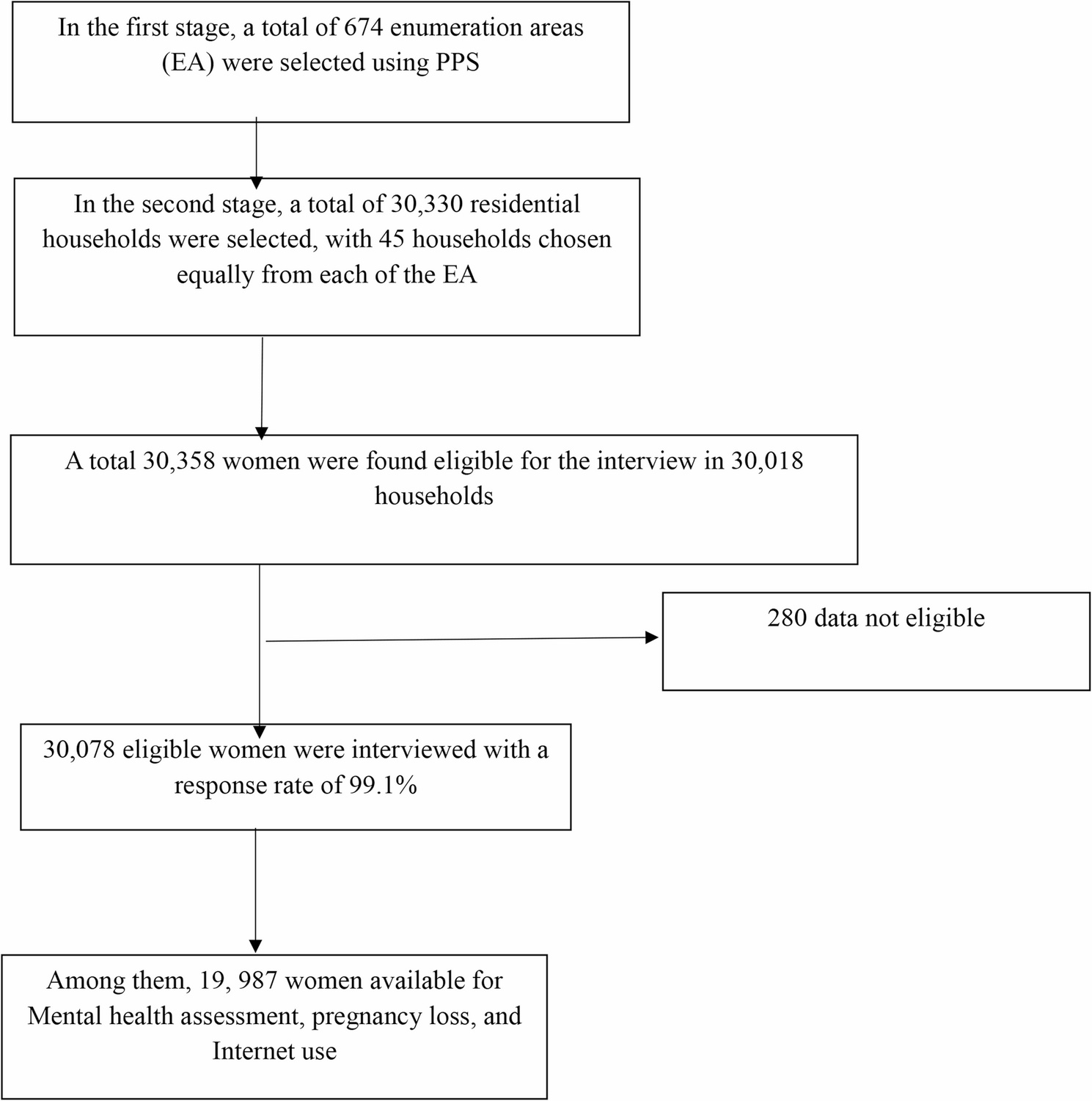
Data: 19,987 ever-married women from BDHS 2022.
-
Measures: Depression (PHQ-9), Anxiety (GAD-7).
-
Analysis: Stepwise survey-weighted multinomial logistic regression and spatial analysis to detect regional patterns.
Key Findings
-
Pregnancy loss is linked to higher odds of depression and anxiety:
-
One loss: Anxiety AOR = 1.31; Depression AOR = 1.29
-
Two or more losses: Anxiety AOR = 1.82; Depression AOR = 1.43
-
-
Internet use in the past 12 months is associated with lower odds of depression (AOR = 0.77) and anxiety (AOR = 0.65).
-
Regional disparities: Rangpur shows the highest burden of mental health symptoms, while Dhaka has the lowest.
Implications for Research and Practice
-
Enhancing reproductive health programs and improving internet access can potentially reduce depression and anxiety among women in high-burden regions.
-
Spatially-informed interventions may help target mental health resources more effectively.
-
Links
-
Full paper:
-
Open access under CC BY-NC-ND 4.0.
-

Follow the Topic
-
BMC Women's Health
This is an open access, peer-reviewed journal that considers articles on all aspects of the health and wellbeing of adolescent girls and women, with a particular focus on the physical, mental, and emotional health of women in developed and developing nations.

Related Collections
With Collections, you can get published faster and increase your visibility.
Malnutrition and women's health
Addressing malnutrition among women is critical for improving health outcomes and promoting gender equality. Recent advances in research have highlighted the need for gender-sensitive approaches to nutrition that take into account the unique biological and social factors affecting women. Interventions aimed at improving dietary habits during pregnancy, lactation, and adolescence have shown promise in enhancing health outcomes for both mothers and children. By continuing to investigate these areas, we can develop targeted strategies that empower women and promote their health and well-being, advance our understanding of nutritional needs, tailor dietary guidelines and community-based programs, therefore addressing the nutritional challenges faced by women and girls.
The topics of this Collection include, but are not limited to the following:
• Impact of malnutrition on reproductive health
• Nutritional needs across the life stages of girls and women
• Dietary patterns and health outcomes for women and girls
• Community-based interventions for women's nutrition
• Nutrients requirements for women under disease conditions
This Collection supports and amplifies research related to SDG 2: Zero Hunger and SDG 3: Good Health and Well-Being
All manuscripts submitted to this journal, including those submitted to collections and special issues, are assessed in line with our editorial policies and the journal’s peer review process. Reviewers and editors are required to declare competing interests and can be excluded from the peer review process if a competing interest exists.
Publishing Model: Open Access
Deadline: Sep 10, 2026
Physiotherapy and women's health
Women's health is a crucial and multifaceted area of study that encompasses a wide range of physical, psychological, and social factors. Physiotherapy plays a crucial role in addressing physical impairments and functional limitations associated with women-specific health conditions, including lymphedema, osteoporosis, reproductive health issues, incontinence, pelvic floor dysfunction, and breast surgery. As awareness of these issues grows, the integration of physiotherapy into women's health care has emerged as a promising avenue to improve outcomes and quality of life for women across different life stages (e.g. adolescence, reproductive years, menopause, and post-menopause), disease prevention, and health promotion in addition to rehabilitation.
Advances in research have underscored the importance of tailored physiotherapy interventions that consider the unique physiological and emotional aspects of women's health. Developments in pelvic floor therapy, for instance, have demonstrated significant improvements in conditions such as urinary incontinence and pelvic pain. Furthermore, physiotherapy is increasingly recognized as an essential component of recovery for women facing challenges related to breast cancer. Such findings highlight the need for continued exploration of the therapeutic benefits of physiotherapy in addressing the diverse health needs of women.
Ongoing research in this field may lead to innovative treatment approaches and the development of evidence-based guidelines that empower healthcare professionals to better support women’s health. By exploring new modalities and incorporating a more holistic understanding of women's unique health issues, future studies can pave the way for improved health outcomes and the establishment of effective preventive measures.
The collection will include but is not limited to the topics below:
- Pelvic floor dysfunction
- Physiotherapy during pregnancy and postpartum (including pregnancy-related pain)
- Menstrual pain and chronic pelvic pain
- Gynecological and breast cancer rehabilitation and survivorship
- Lymphedema management
- Osteoporosis prevention and rehabilitation
- Innovative and technology-assisted rehabilitation strategies
- Mechanisms and evidence-based approaches in women-specific physiotherapy
- Biopsychosocial and holistic models in women’s health physiotherapy
This Collection supports and amplifies research related to SDG 3: Good Health & Well-being.
All manuscripts submitted to this journal, including those submitted to collections and special issues, are assessed in line with our editorial policies and the journal’s peer review process. Reviewers and editors are required to declare competing interests and can be excluded from the peer review process if a competing interest exists.
Publishing Model: Open Access
Deadline: Dec 16, 2026


Please sign in or register for FREE
If you are a registered user on Research Communities by Springer Nature, please sign in