Barriers to equitable Maternal Healthcare in Low- and Middle-income Countries
Published in Sustainability and Public Health
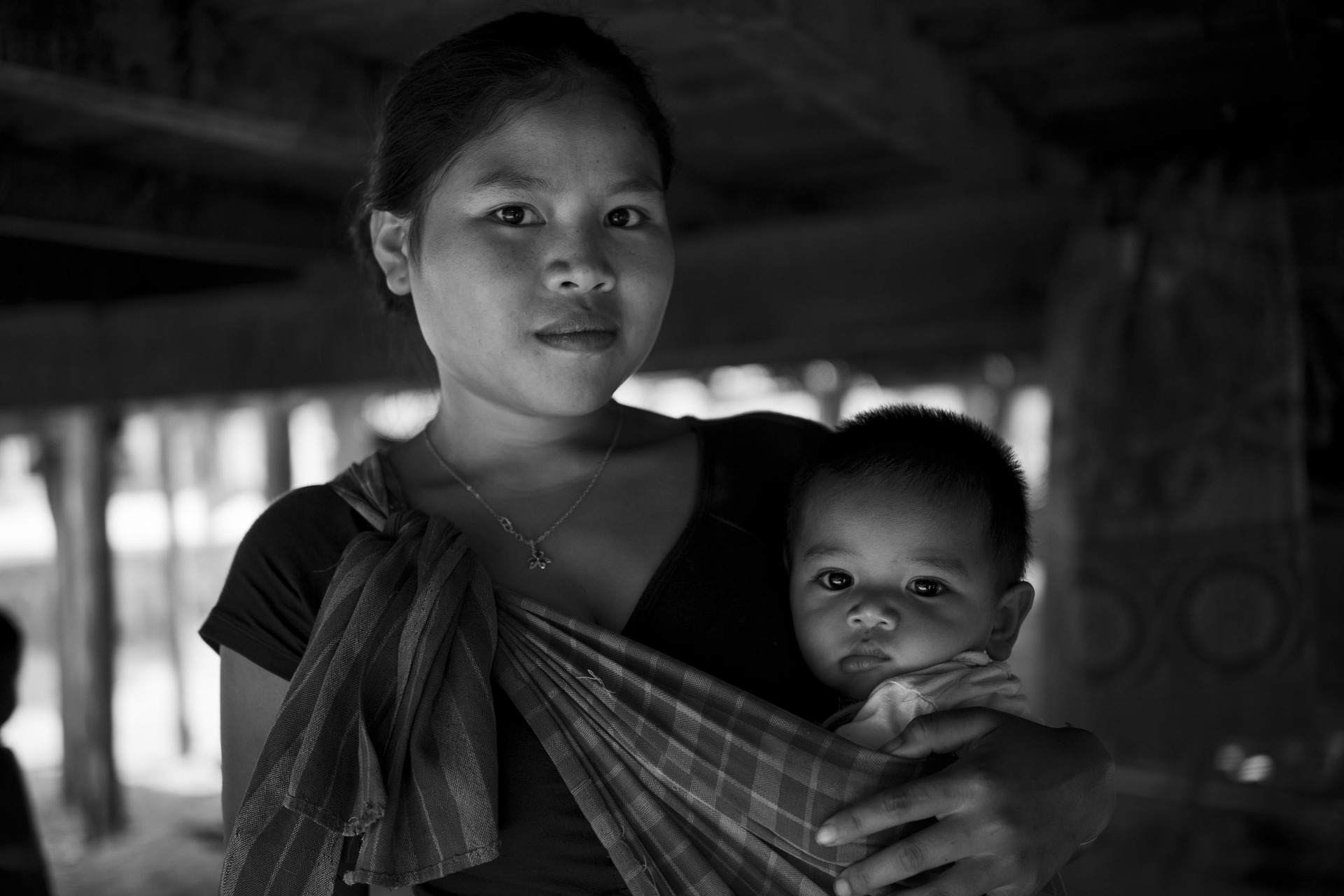
Inequality in maternal healthcare utilization remains a significant global health challenge, particularly in low- and middle-income countries (LMICs). Although the Sustainable Development Goals (SDGs) aim to reduce maternal mortality and ensure equitable access to care by 2030, achieving universal and fair access to maternal healthcare services continues to be a major challenge.
Improving and protecting maternal health is widely recognised as a global priority, yet significant gaps persist in access to essential services. Particularly, nearly two-thirds of women in LMICs still encounter barriers when trying to obtain maternal healthcare. In addition to individual levels, several factors impacted women’s ability to access care. These include age, level of education, marital status, household wealth, family size, exposure to media, previous birth experiences, and access to health insurance. Women who are younger, less educated, or economically disadvantaged are often less likely to use maternal health services. Similarly, those without insurance coverage or reliable health information face greater challenges in seeking timely care.
Takeaways
-
- Expanding healthcare infrastructure in rural and underserved areas to improve access
- Enhancing transport and connectivity to overcome mobility barriers in remote communities
- Strengthening and subsidising health insurance for poor and vulnerable women
- Boosting health literacy through targeted awareness and education programs
- Partnering with community leaders and organizations to encourage healthcare-seeking behavior
- Addressing socio-cultural barriers limiting women’s access to care
- Empowering women’s decision-making by challenging gender biases within households and communities
Addressing both the individual and contextual barriers to maternal healthcare is critical to improving maternal and child health outcomes. Progress will require coordinated efforts to expand access, reduce inequalities, and support women in seeking timely care. These efforts will help build a more just and equitable future while advancing SDG-3 on good health and well-being.
Further reads

Shital joined Springer Nature in 2021 as a Senior Medical and Scientific Writer and became part of Scientific Reports in 2023. She has a background in clinical research and nanobiotechnology.
Follow the Topic
📢 Introducing: # Mental Health
Mental Health is a Topic created to increase visibility and impact of research in this area and facilitate exchange amongst researchers.
Continue reading announcement