Editor story: Dr. Patrice Brehmer
Published in Earth & Environment and Ecology & Evolution

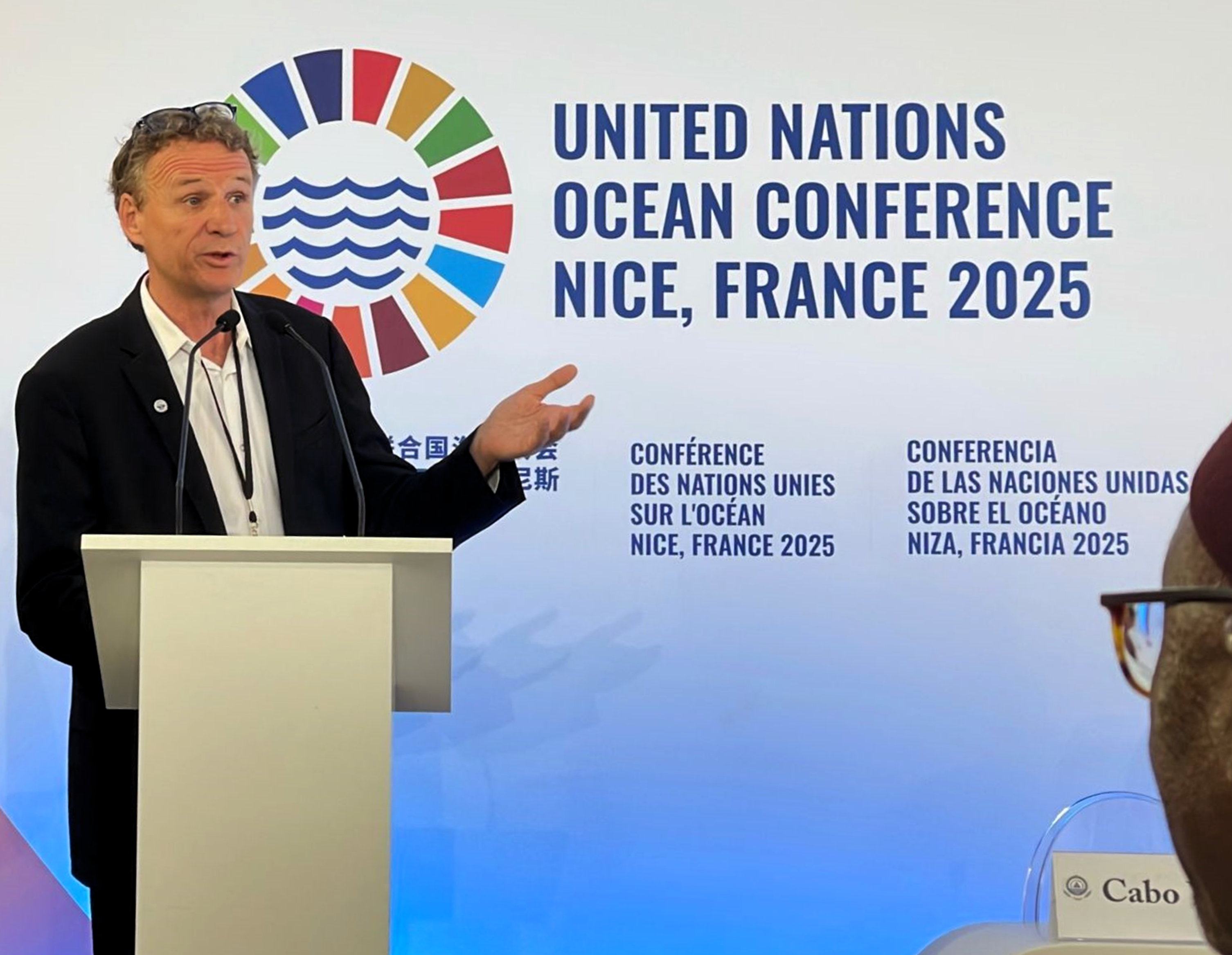
Dr. Partice Bremer is a fisheries scientist and biological oceanographer at the Institut de Recherche pour le Développement (IRD), affiliated with the Department of Oceans and UMR LEMAR (Université de Brest; CNRS, IRD, Ifremer), he joined the Scientific Reports Editorial Board in 2022 and currently serves as a Guest Editor for the Technological advances in fisheries Collection and was previously the Guest Editor for Sustainable fishing Collections.
Dr. Patrice Brehmer is a fisheries scientist and biological oceanographer working at the interface of marine ecology, fisheries management, and policy, with a strong interdisciplinary and ecosystem‑based management (EBM) approach. His research focuses on small pelagic fish dynamics and habitats, ecosystem‑based fisheries management, and the impacts of overfishing, climate change, and pollution on marine resources, integrating field observations and fisheries acoustics. He collaborates extensively with West African partners to strengthen scientific capacity and institutional reinforcement, supporting fisheries management, blue economy development, and regional governance within Sub-Regional Fisheries Commission (SRFC) member states.
***
In this interview, we asked Dr. Brehmer to talk to us about his work as an Editor at Scientific Reports. Read on to find out more.
What do you like most about being an Editorial Board Member for Scientific Reports?
I value the opportunity to contribute to an open and inclusive journal that spans a broad range of disciplines. Scientific Reports allows rigorous science from all regions of the world to be widely disseminated, including valuable studies from underrepresented areas such as West Africa. I particularly enjoy constructive exchanges with authors and reviewers, as well as the opportunity to promote transparent, reproducible, and societally relevant research. Serving as an Editorial Board Member also offers a privileged view of emerging methods and trends across disciplines; sometimes even prompting a smile when discussing surprising findings or reviewer reactions with colleagues.
What do you like most about handling manuscripts at Scientific Reports?
I appreciate intellectual diversity. Indeed, manuscripts span methods, regions, and disciplines, challenging me to think beyond my own field. I also enjoy guiding authors toward clearer, more robust presentations of their work. Helping early-career researchers succeed is particularly rewarding. The editorial process at Scientific Reports is efficient and transparent, allowing me to focus on scientific quality rather than administrative constraints, thanks to our robust web platform (SNAPP) and Assistant Editors who are always ready to help.
We know that finding reviewers is one of the most complex parts of an editorial role. Do you have any tricks on finding reviewers?
I combine several approaches: scanning recent publications on the same topic, using citation networks, identifying experts through conference programs, and relying on my personal international research networks of more than 450 co-authors, with collaborations spanning 40 countries and over 100 institutions worldwide. I prioritise diversity (career stage, geography, and methodological background) to reduce bias and strengthen peer review. I avoid over-solicited reviewers and always cross-check for conflicts of interest, even if they could be overcome in some particular cases.
If you were to give a piece of advice to other Editors, what would that be?
Stay curious and open-minded; engage with manuscripts as opportunities to learn, not only to judge. Communicate clearly and respectfully with authors and reviewers. Promote transparency and methodological rigor. Furthermore, remember that supporting the scientific community, especially early-career researchers and scientists from underrepresented regions of the global South, is an essential part of our editorial role.
How important is reproducibility in research? As an Editor, how do you help authors report reproducible results?
Reproducibility is central to scientific credibility, a basis. As an Editor, I encourage authors to provide complete methodological details, share data and code when appropriate, and justify analytical choices. The sampling design is often key, as is the choice of variables in numerous papers. I promote transparent reporting standards and highlight unclear or missing elements during review. Supporting reproducibility not only improves trust in the specific study but also strengthens cumulative knowledge.
What would you like to share with your fellow researchers on publishing in an inclusive journal?
Take advantage of the openness, that is, publish robust work even if the results are not “spectacular”. Inclusiveness means valuing clarity, data quality, and transparency. Authors should embrace open data practices, engage with diverse perspectives, and trust that well-designed studies are welcome, regardless of geography, institution, or outcome. Last, particularly for the global South researchers, publishing in high-level, well-recognised journals is clearly an added value, particularly when the results should become policy recommendations or be translated into management measures.
You are leading one of our Guest-Edited Collections, “Technological advances in fisheries”. What interested you about becoming a Guest Editor? What is your Collection focused on?
I accepted the Guest Editor role because fisheries science is undergoing rapid technological transformation, from fisheries acoustics and remote sensing to AI-assisted species identification and high-resolution ecosystem modelling. These advances have significant implications for sustainable fisheries management. Our Collection focuses on innovative tools that enhance observation, assessment and monitoring of marine resources, particularly in data-limited regions. It aims to highlight methods that bridge science and decision-making, strengthen ecosystem-based management, and foster global collaboration. I also have an excellent memory of a previous Guest-Edited Collection, “Sustainable Fishing”, which reinforced my interest in leading this new initiative.
How do you think Scientific Reports supports UN’s Sustainable Development Goals? Do you think we could do more here, and how?
Scientific Reports contributes to the SDGs by providing an open platform for research that advances climate action, ocean sustainability, biodiversity conservation, food security and innovation. The journal’s broad scope encourages interdisciplinary solutions essential for SDG progress. To go further, Scientific Reports could highlight SDG-linked collections (e.g., as at the last UN conference on Ocean UNOC3, which deserve dedicated collections), strengthen capacity-building, or waive publication fees for researchers in low-income regions, and promote open data standards. Increasing visibility for applied policy-relevant science, especially in oceans and fisheries, would also enhance impact.
Scopus: https://www.sciencedirect.com/author/8088287400/patrice-brehmer
ORCID: https://orcid.org/my-orcid?orcid=0000-0001-8949-9095
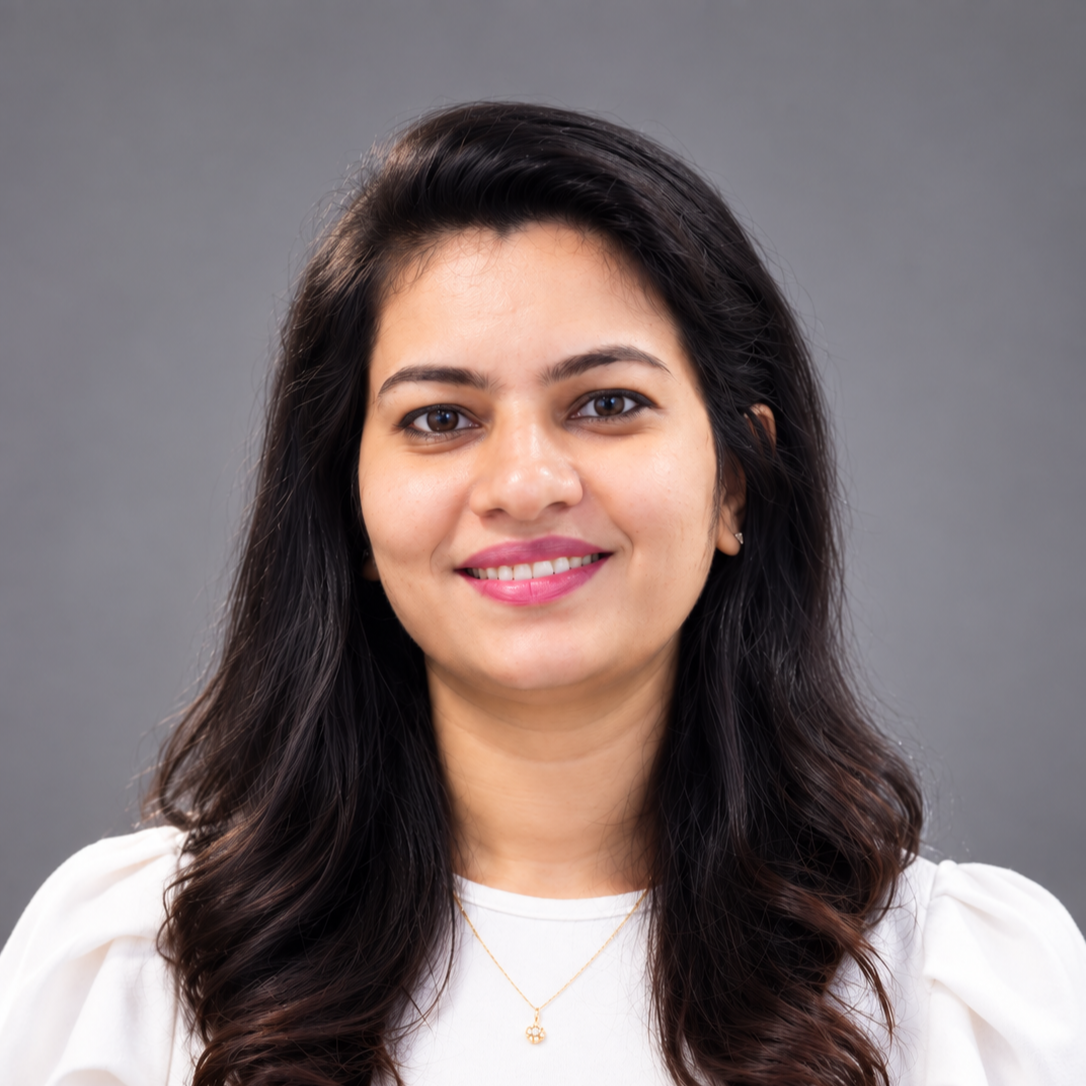
Shital joined Springer Nature in 2021 as a Senior Medical and Scientific Writer and became part of Scientific Reports in 2023. She has a background in clinical research and nanobiotechnology.
Follow the Topic
-
Scientific Reports
An open access journal publishing original research from across all areas of the natural sciences, psychology, medicine and engineering.
-
A Collection of original research articles on innovative technologies applied to fisheries and aquaculture, contributing to reducing its environmental impact, or improving monitoring and processing.

Related Collections
With Collections, you can get published faster and increase your visibility.
Phytochemicals and health
Publishing Model: Open Access
Deadline: Oct 28, 2026
Cancer Prevention and Control
Publishing Model: Hybrid
Deadline: Feb 19, 2027